Field Notes
Fragments of an ongoing investigation.
Records of attention that may inform research, artworks, rituals, or reflections.
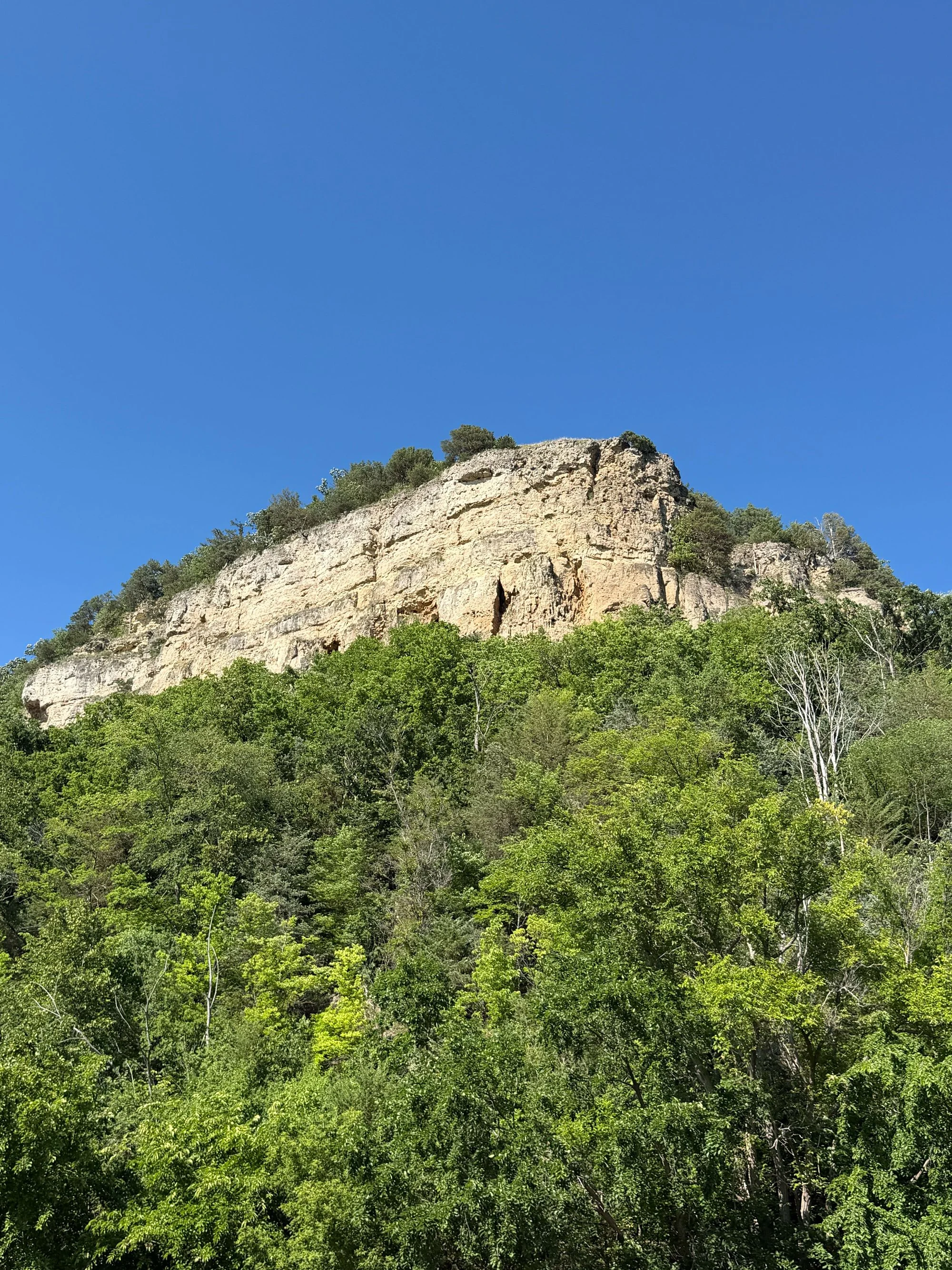
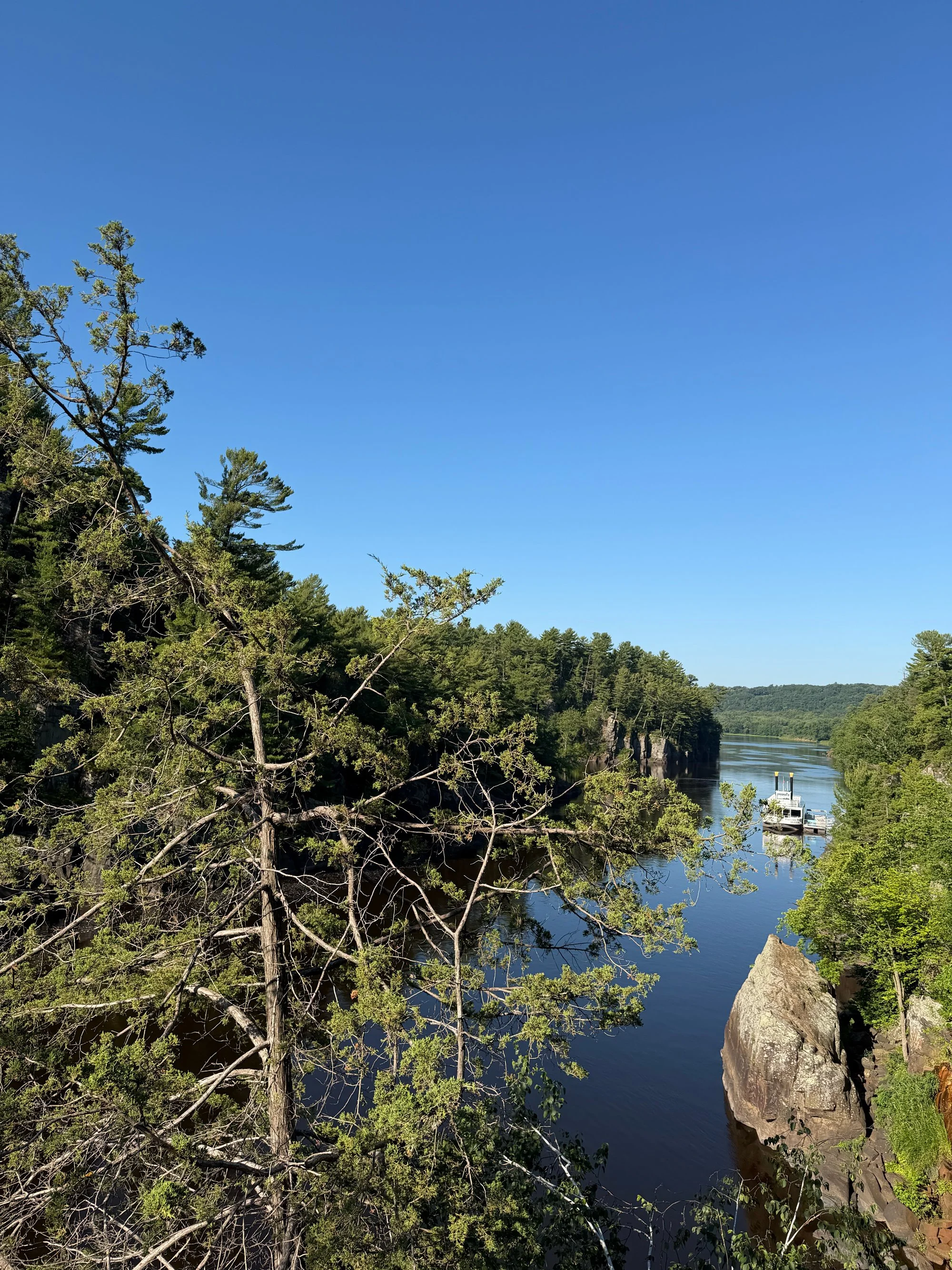
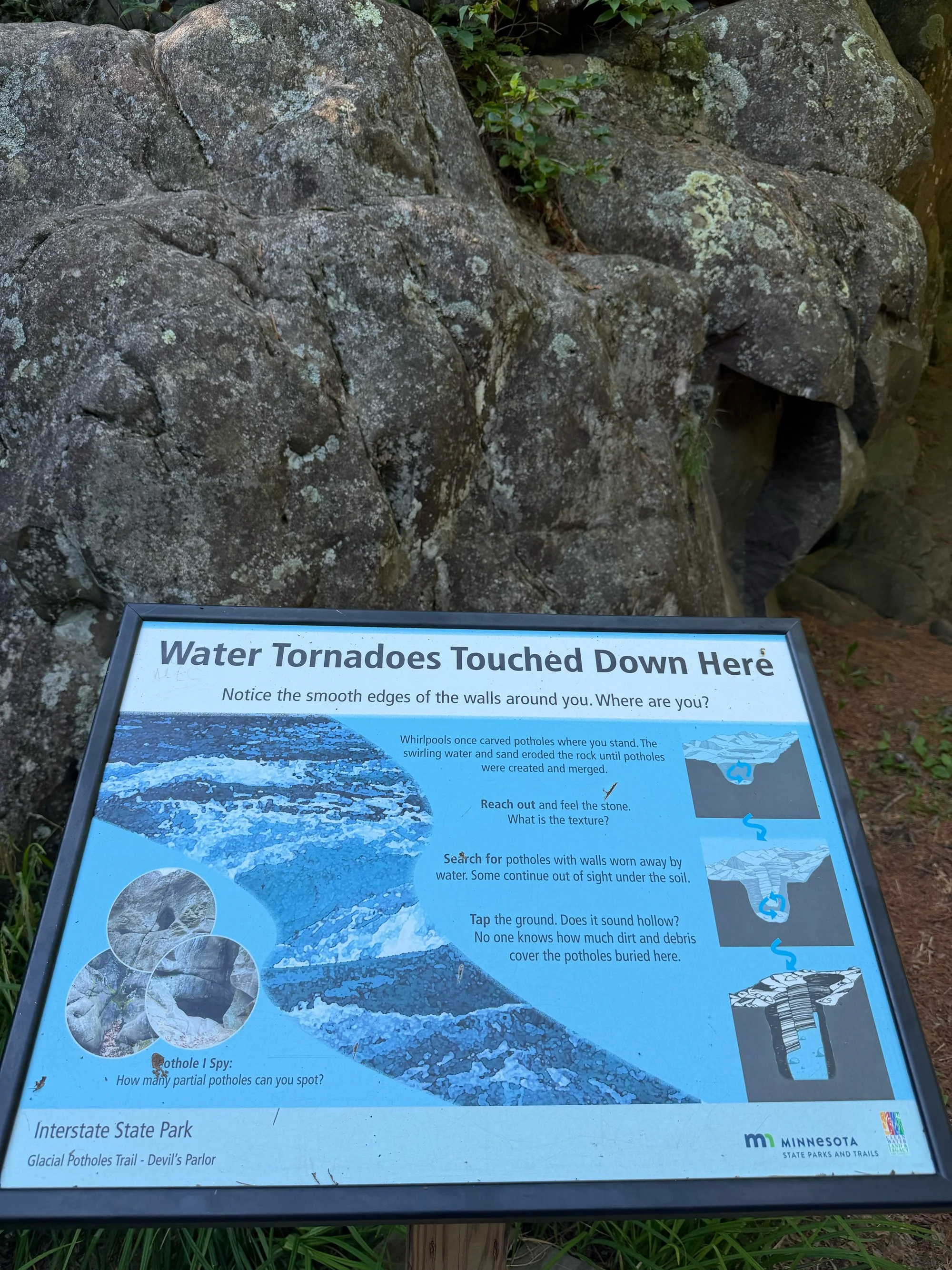
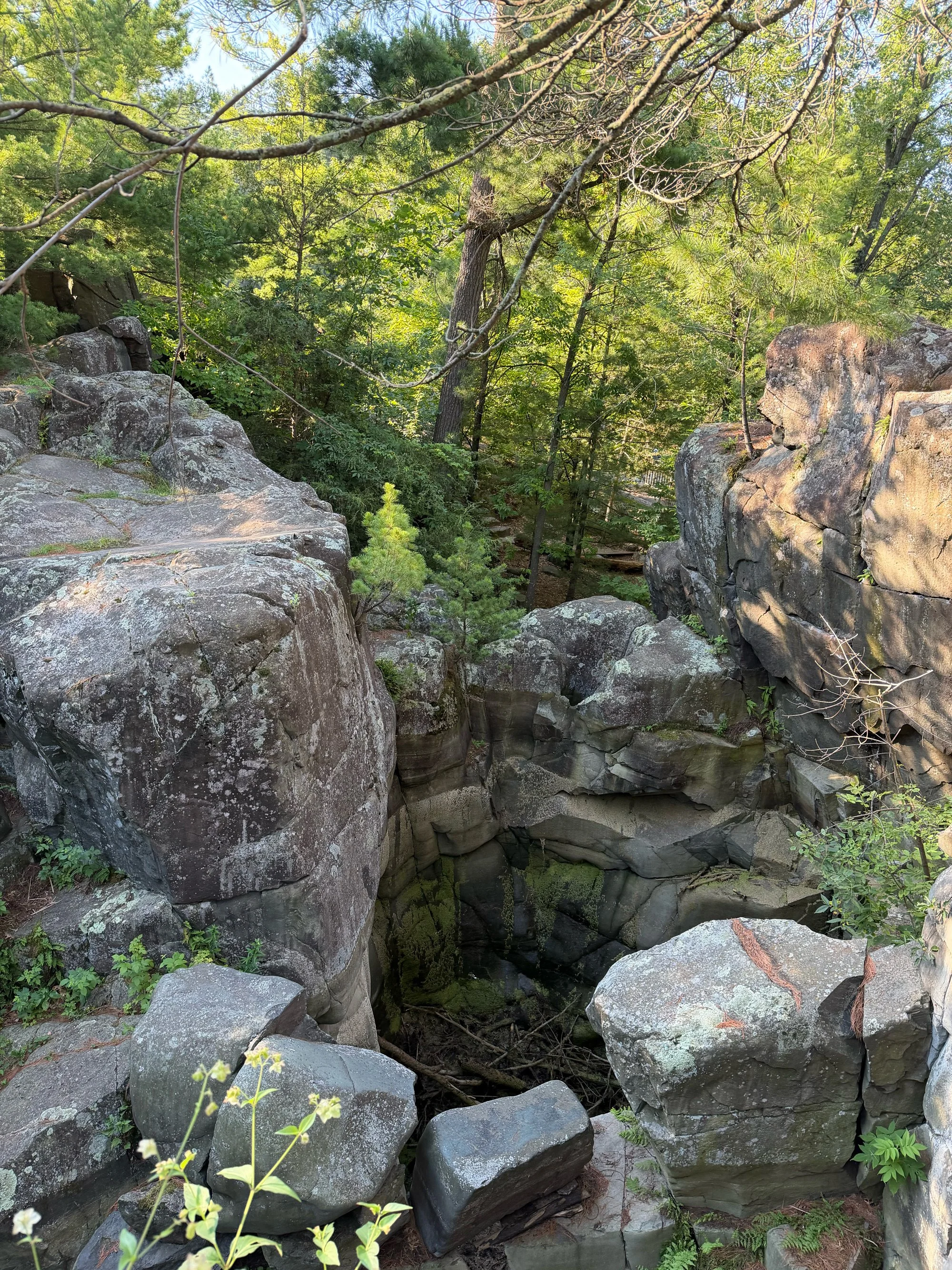
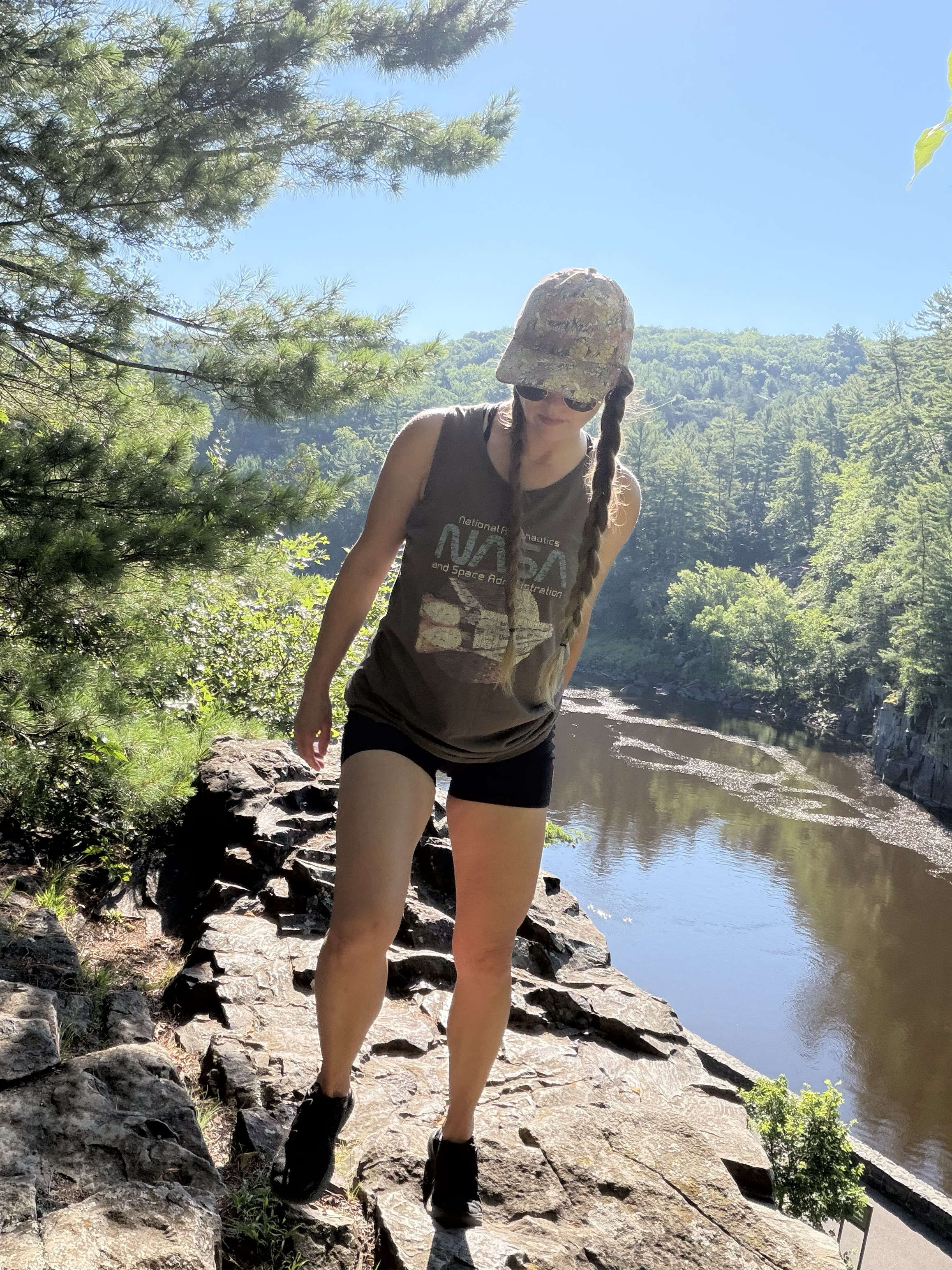
Landscapes of Wisconsin
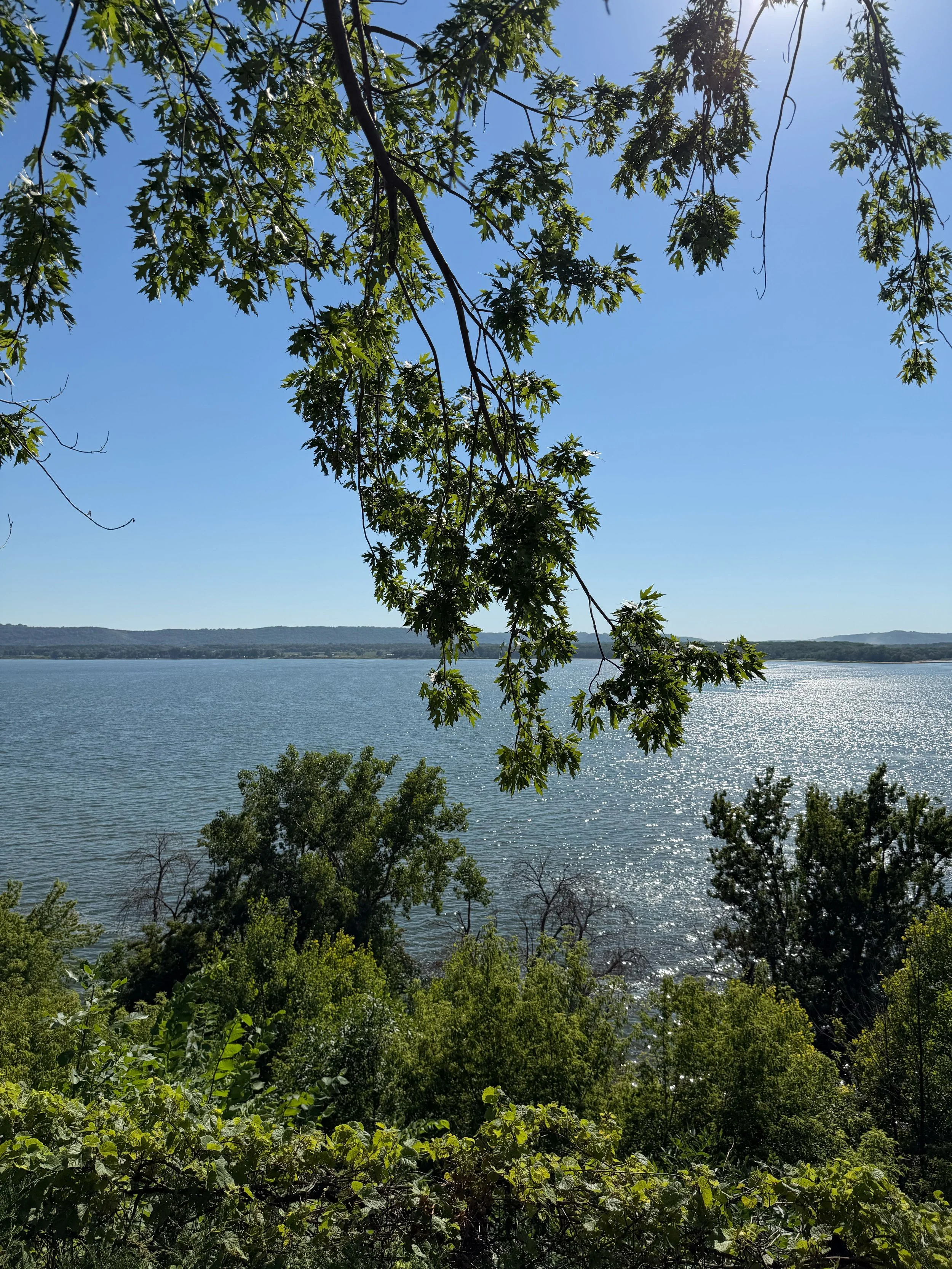
Northwestern Wisconsin • July 2026
Overview
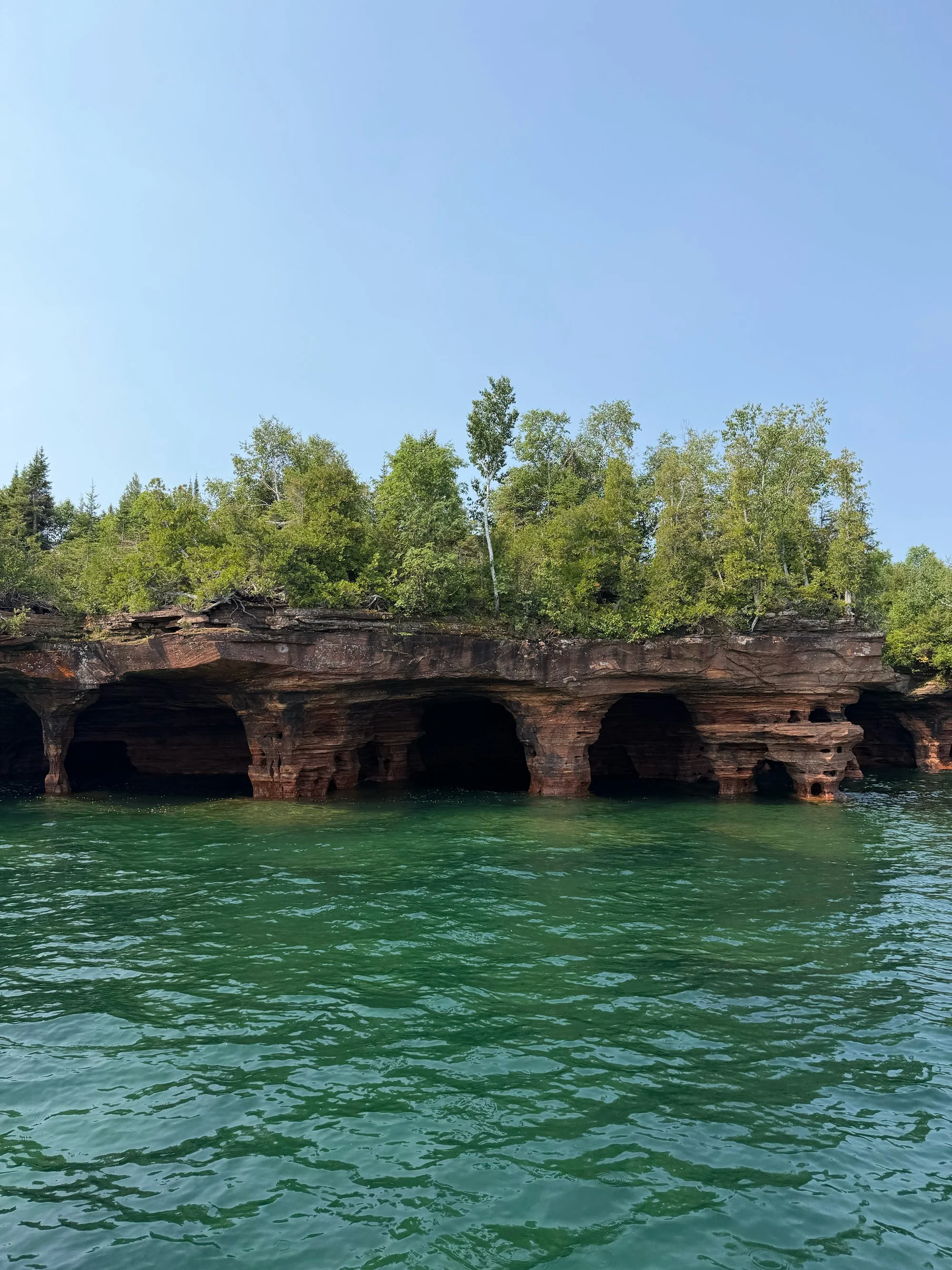
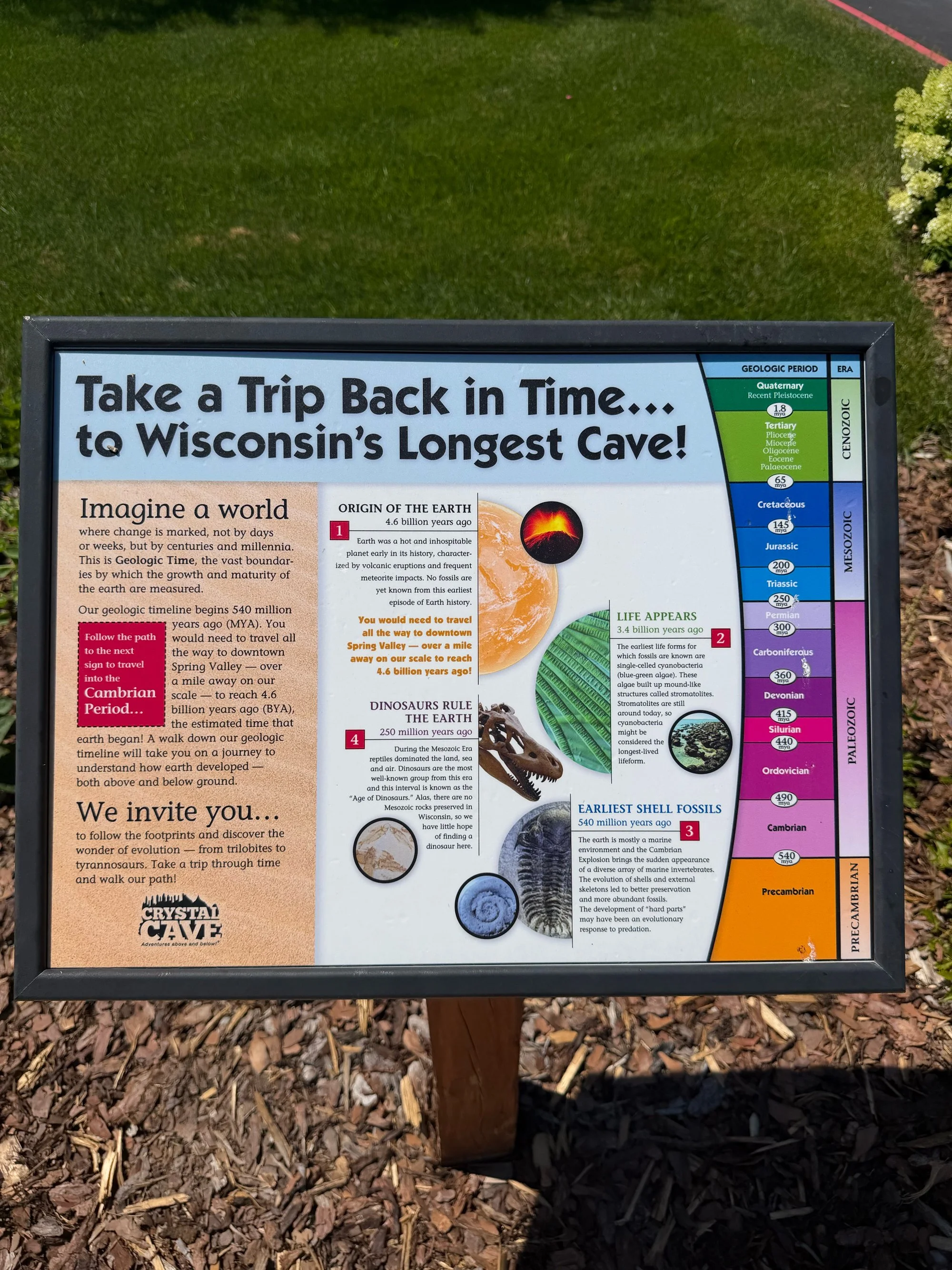
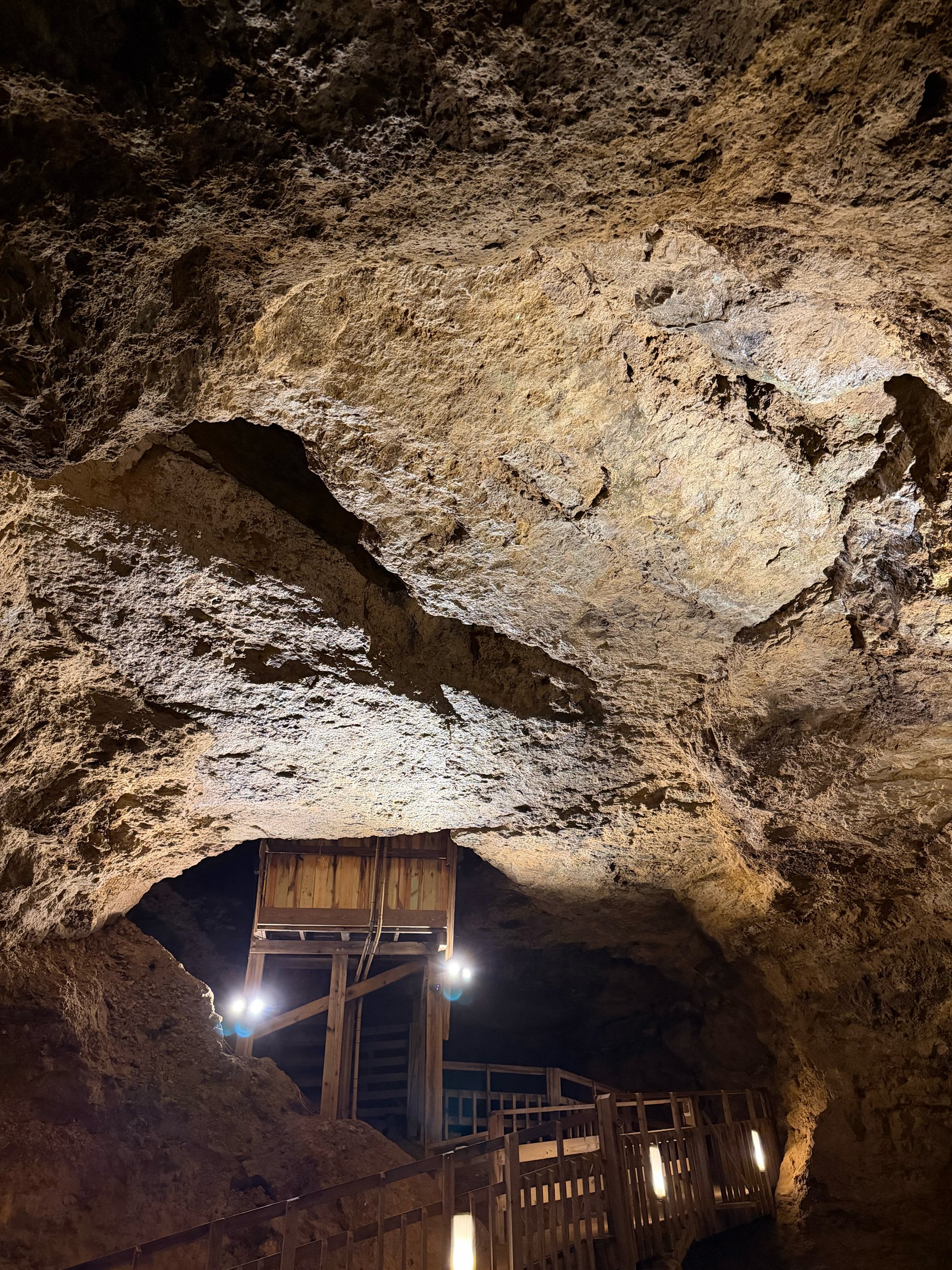
Over several weeks of fieldwork across northern and western Wisconsin, investigating landscapes shaped by profoundly different geological histories. Ancient volcanic rock, Paleozoic limestone, karst caves, glacial spillways, sandstone bluffs, peatlands, and river valleys each recorded distinct episodes in the evolution of the Upper Midwest.
Together, these sites became an investigation into how geological processes shape landscape, ecology, mythology, and human perception.
Locations
Interstate State Park, St. Croix Dalles
Maiden Rock
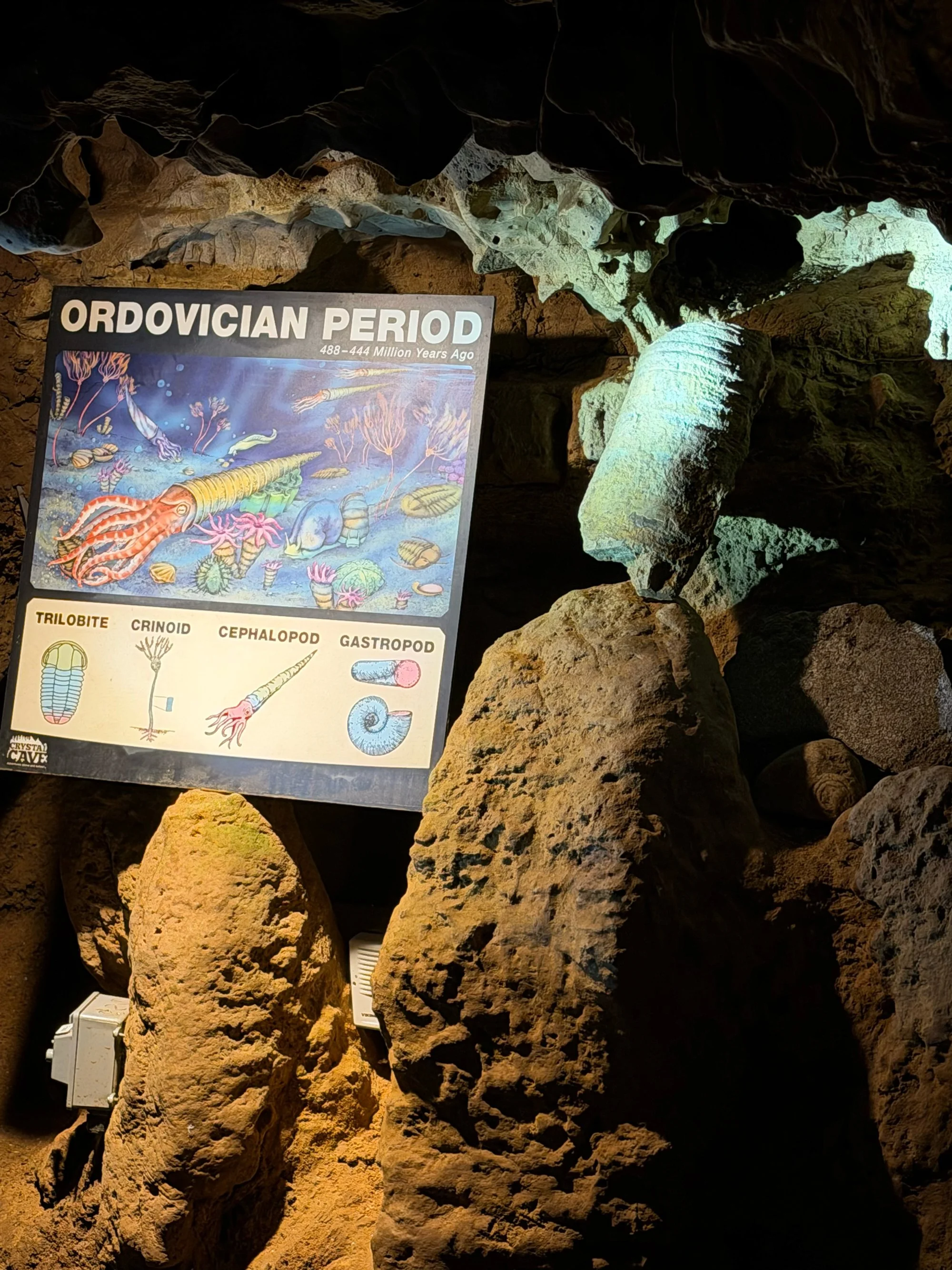
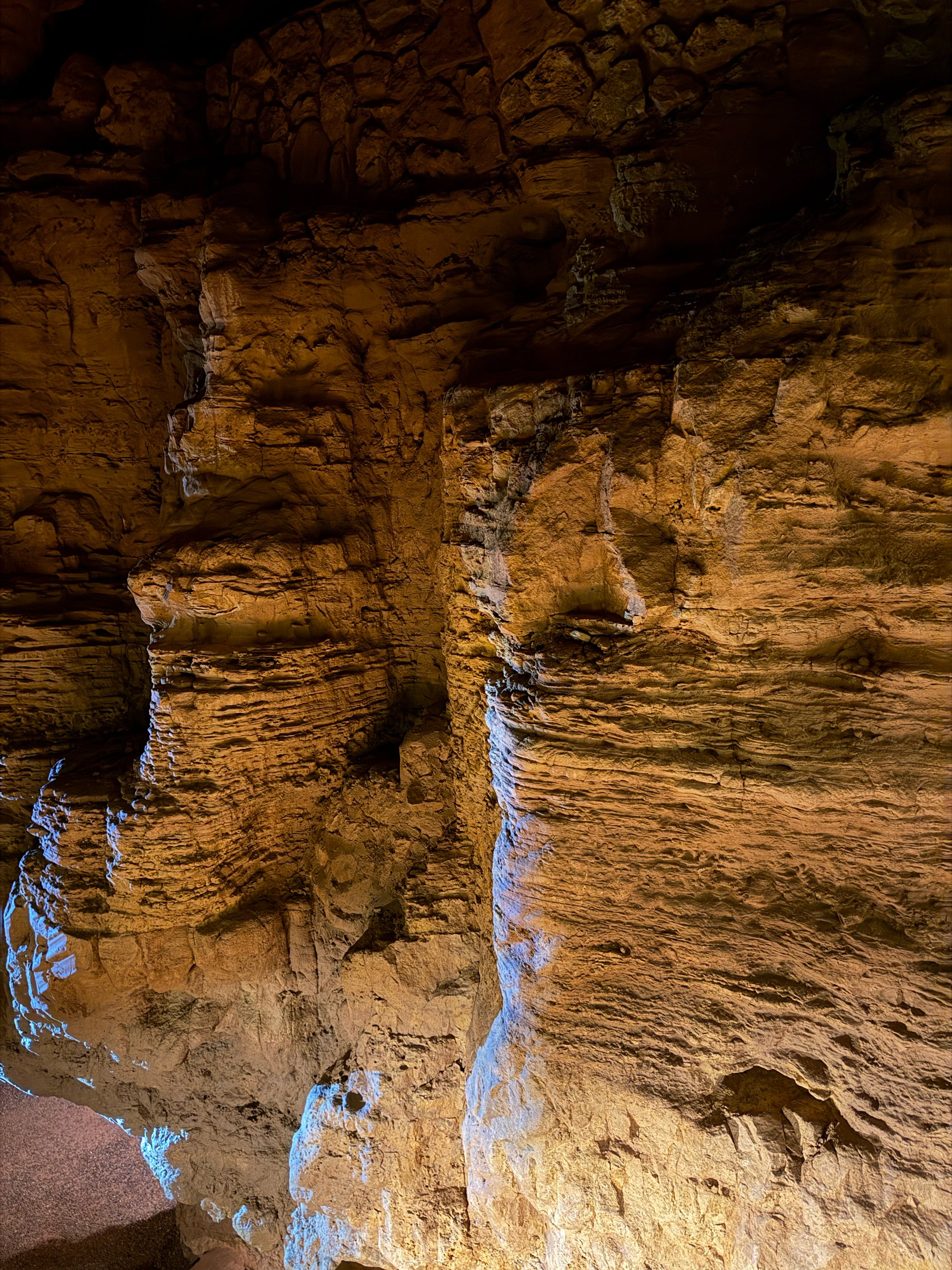
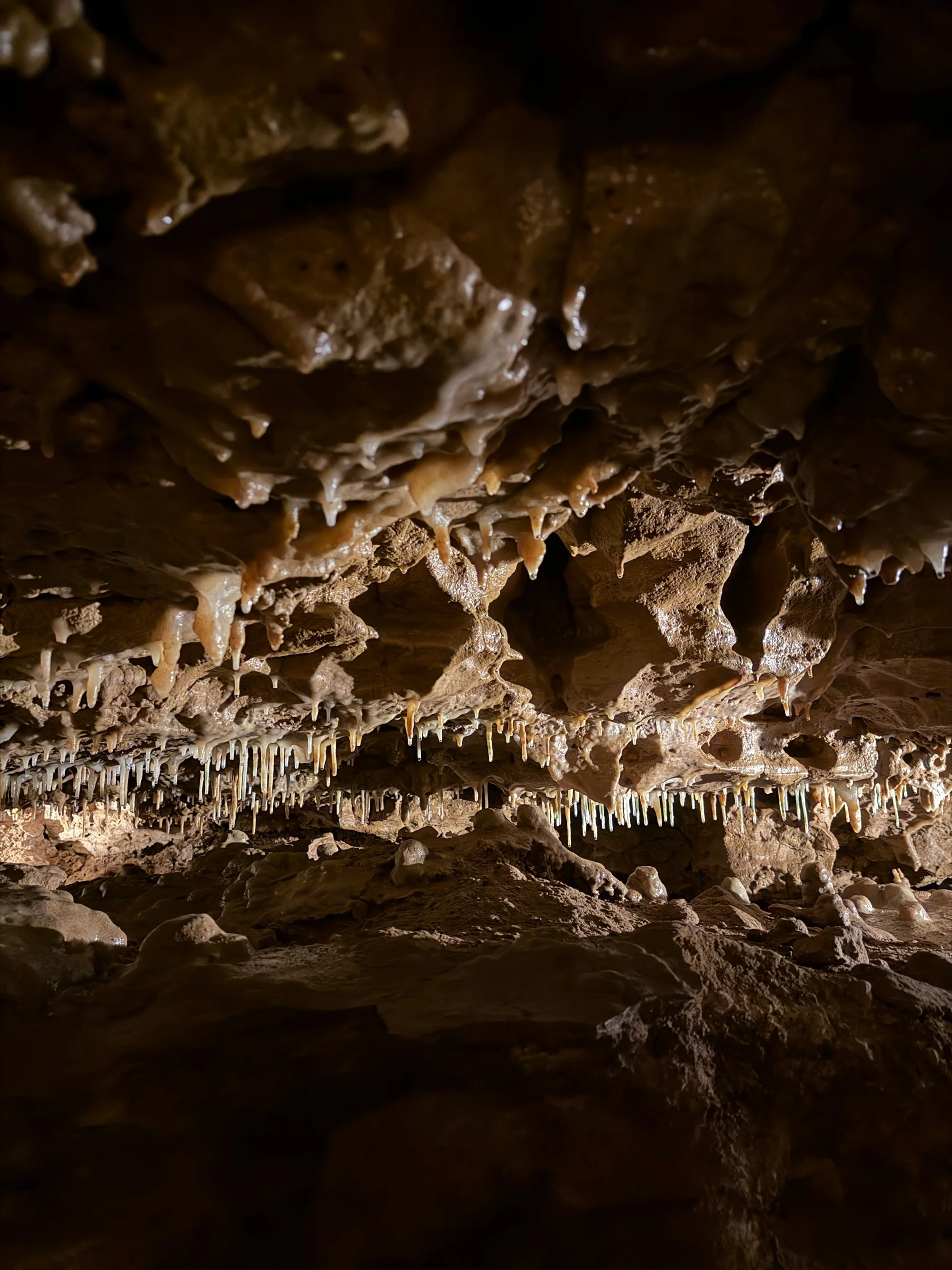
Crystal Cave
Brule River / Brule Bog
Apostle Islands
Emerging Themes
Geomorphology • Sacred landscapes • Cultural memory • Volcanism • Rift geology • Deep time • Groundwater • Cave formation • Hidden landscapes • Ritual space • Glacial spillways • Peatlands • Spring-fed rivers • Landscape memory
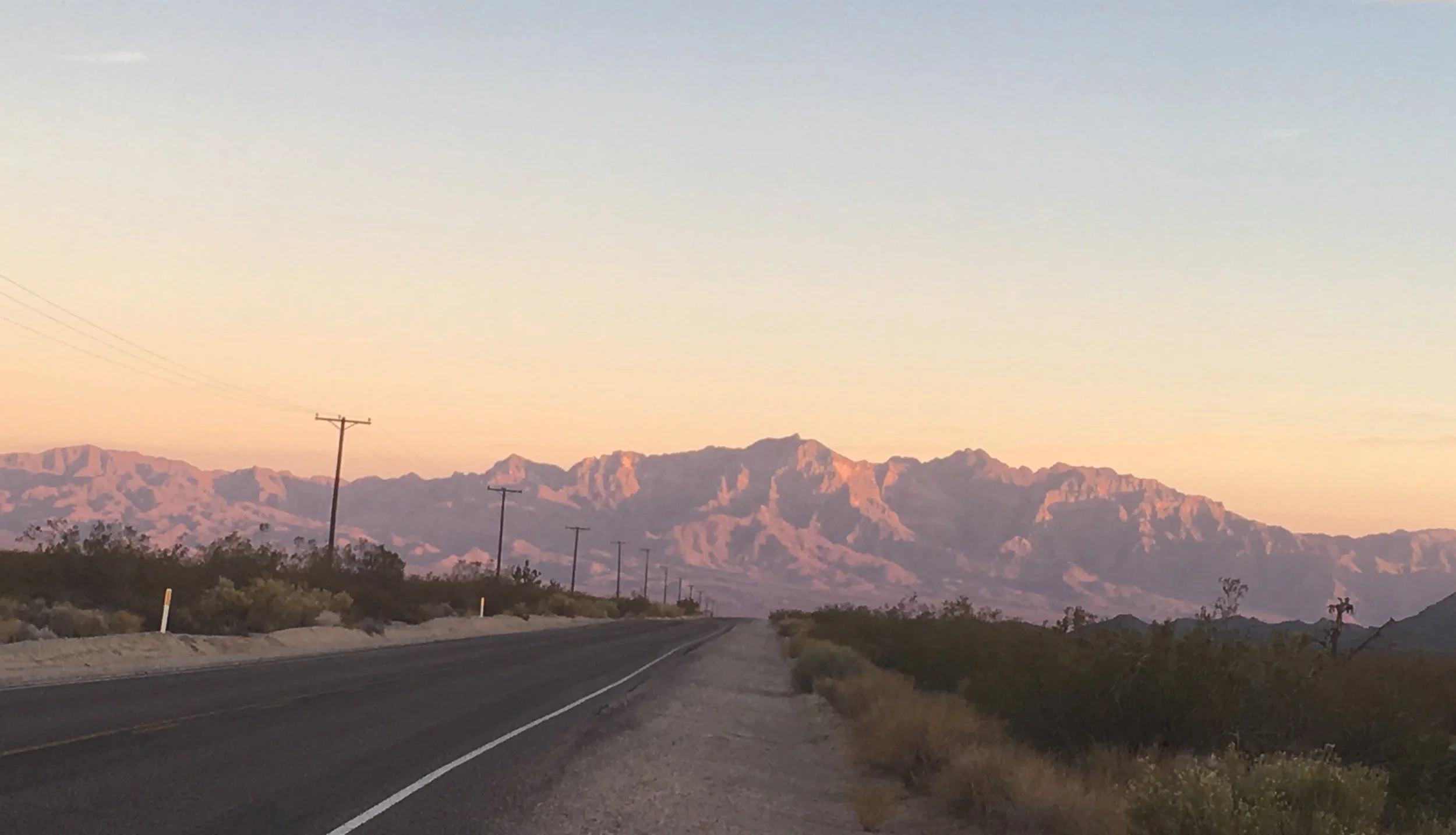
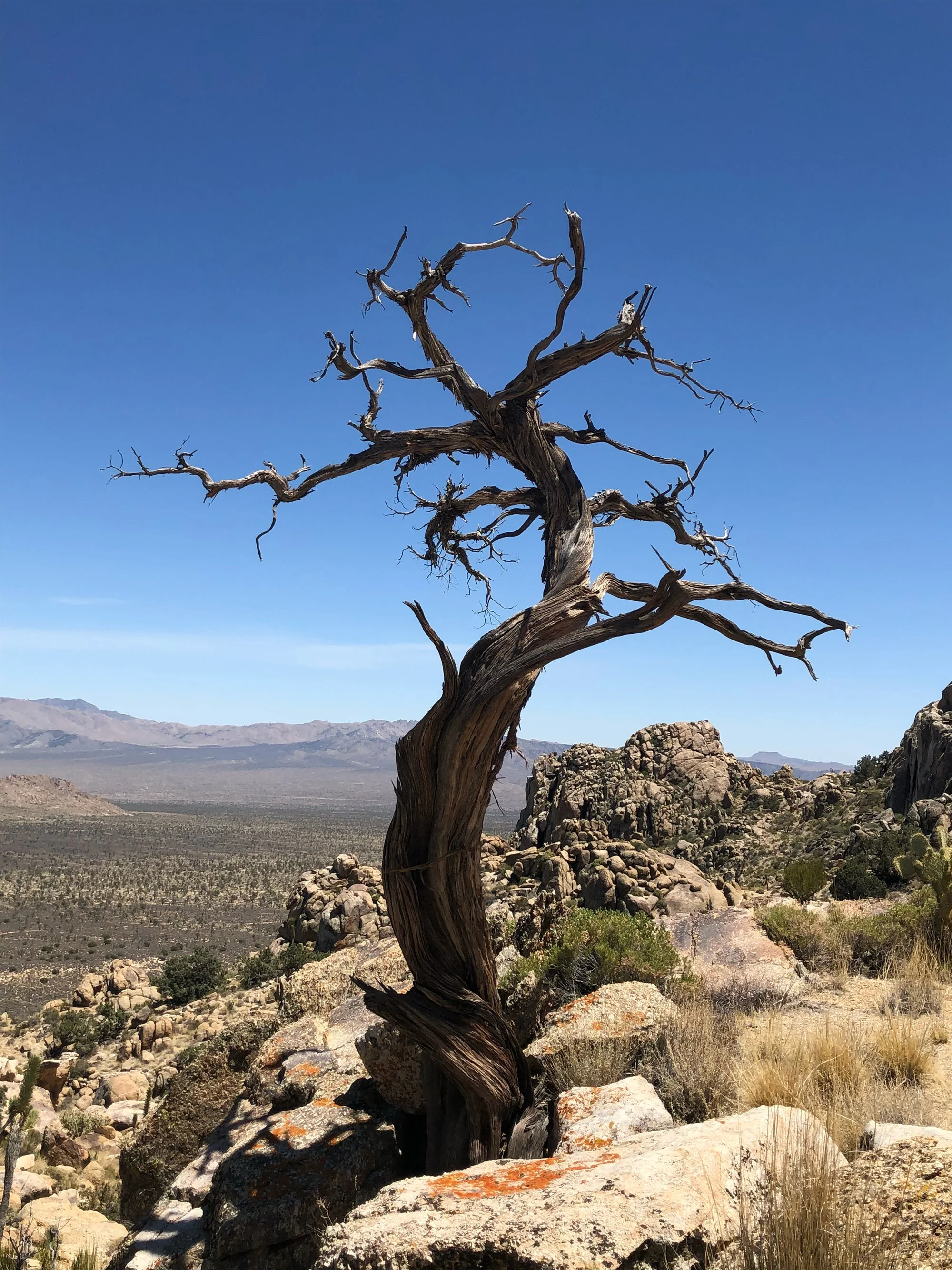
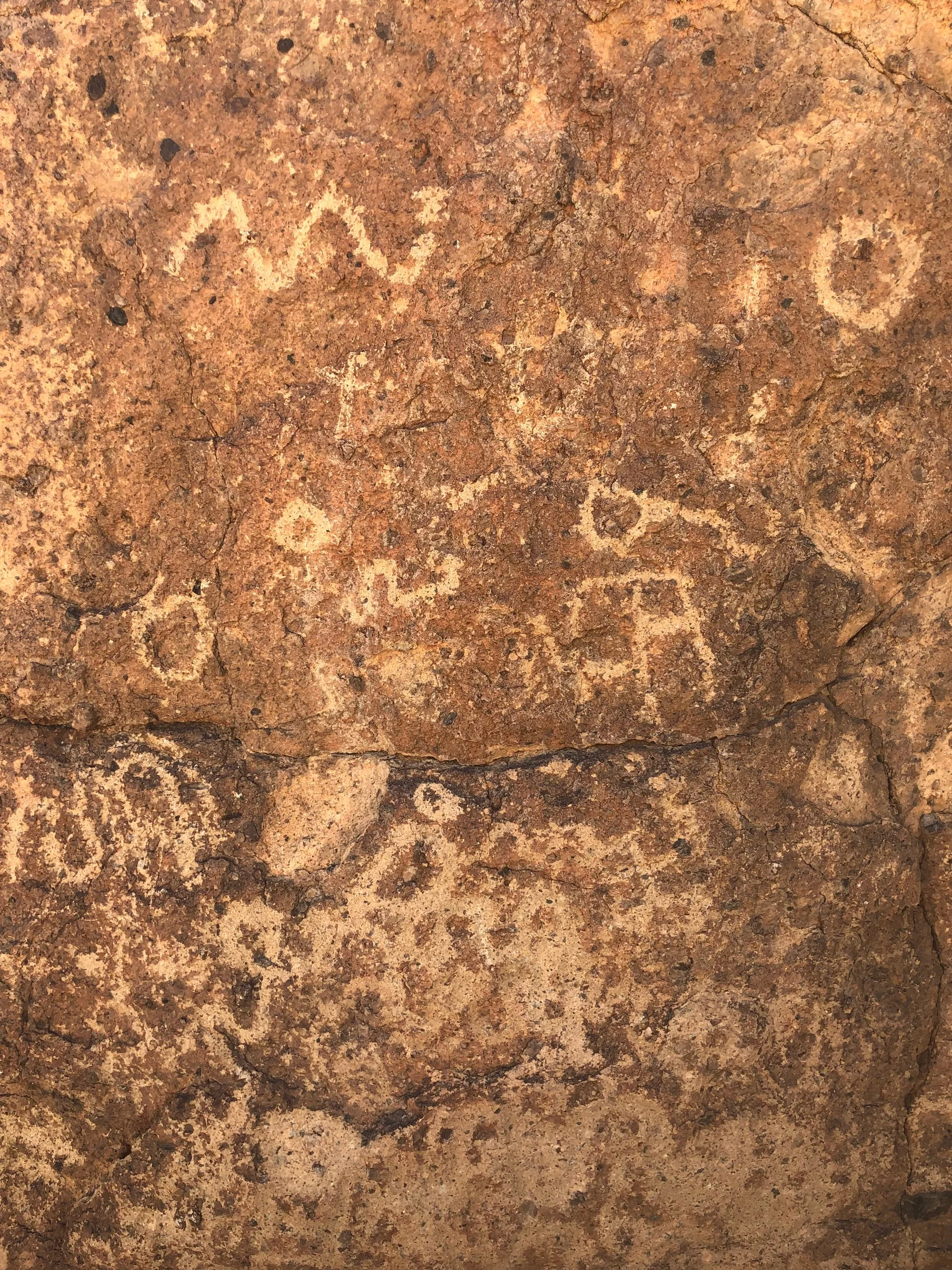
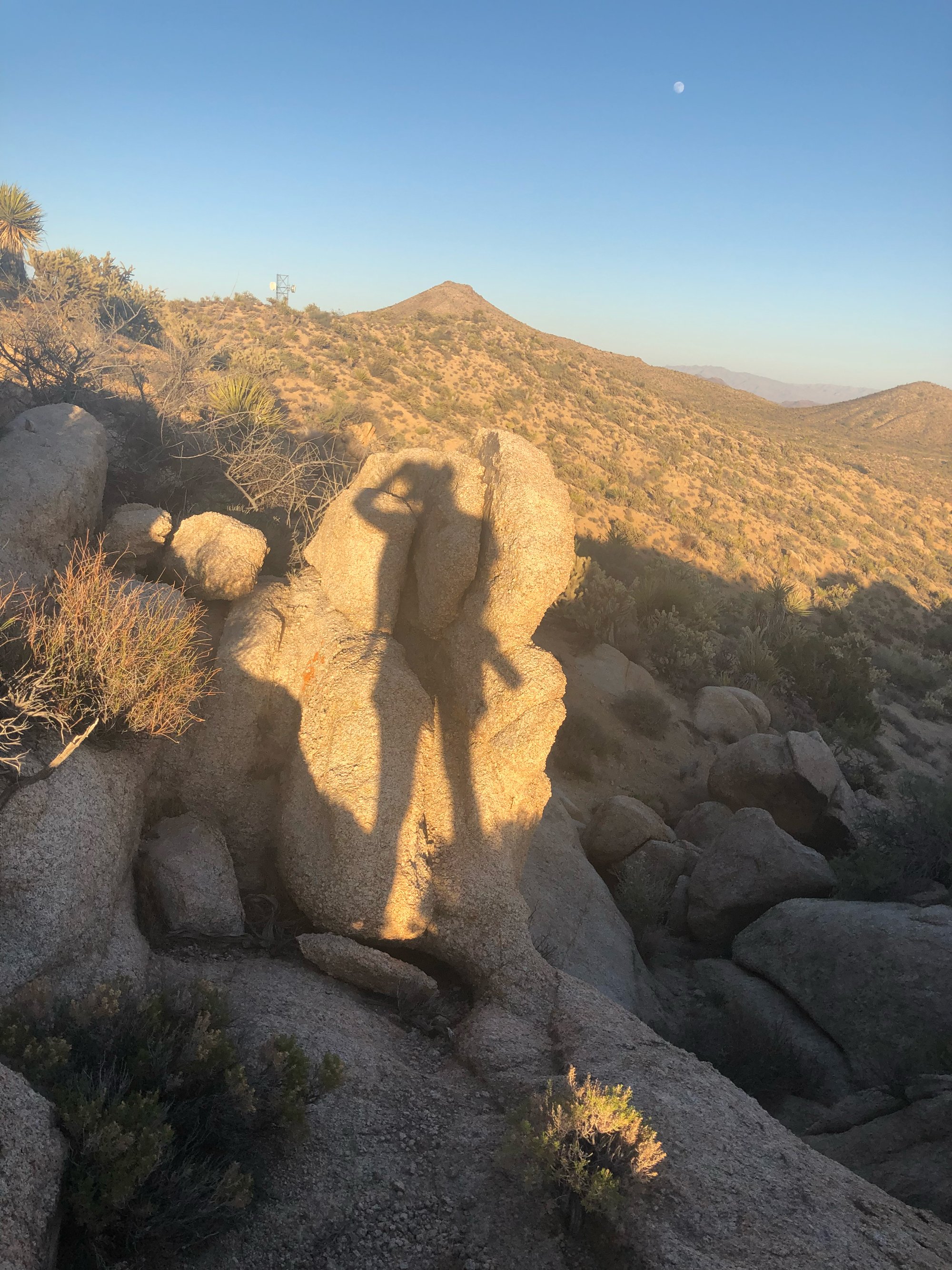
Mojave National Preserve
California • July 2018
Observation
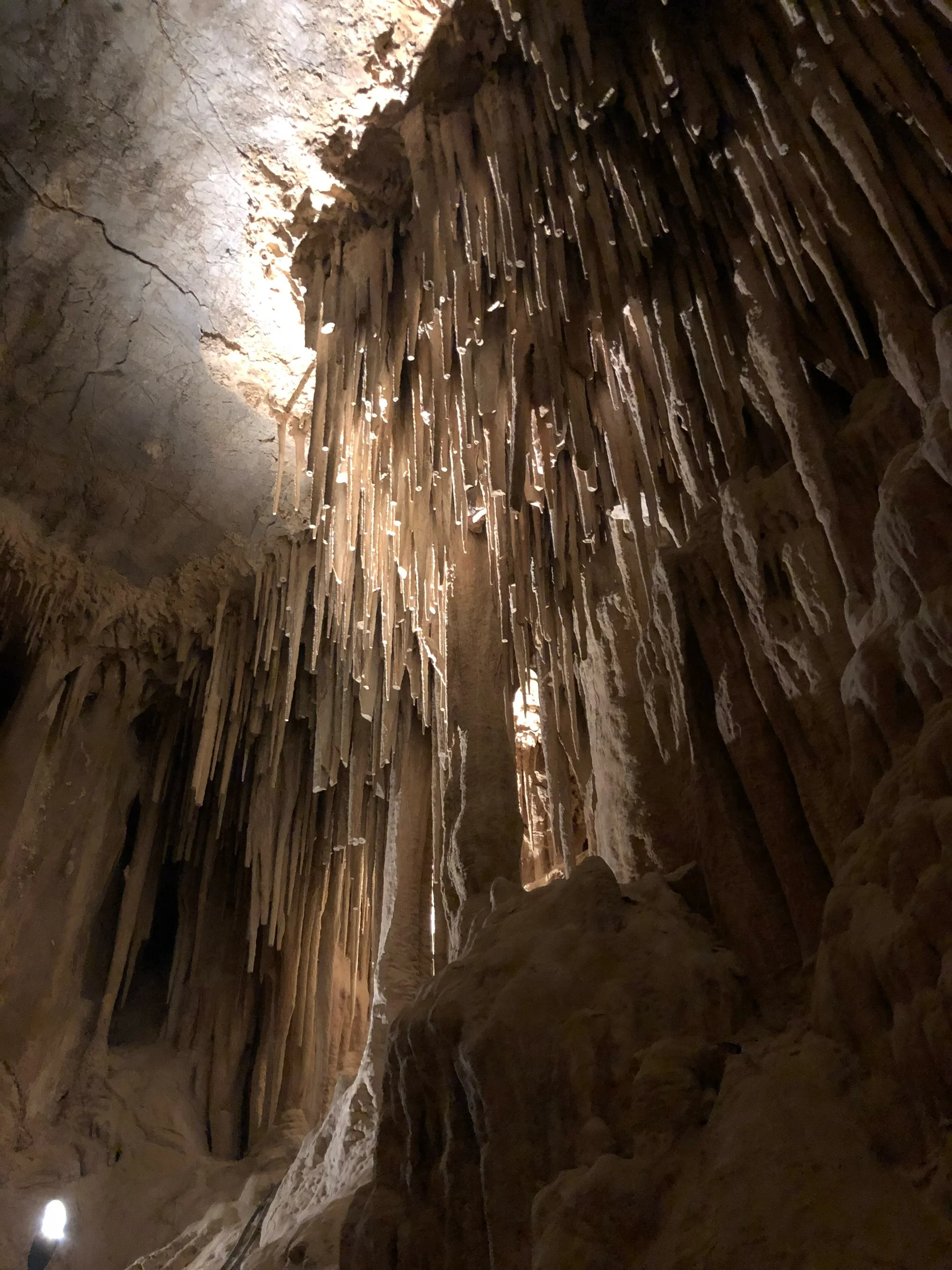
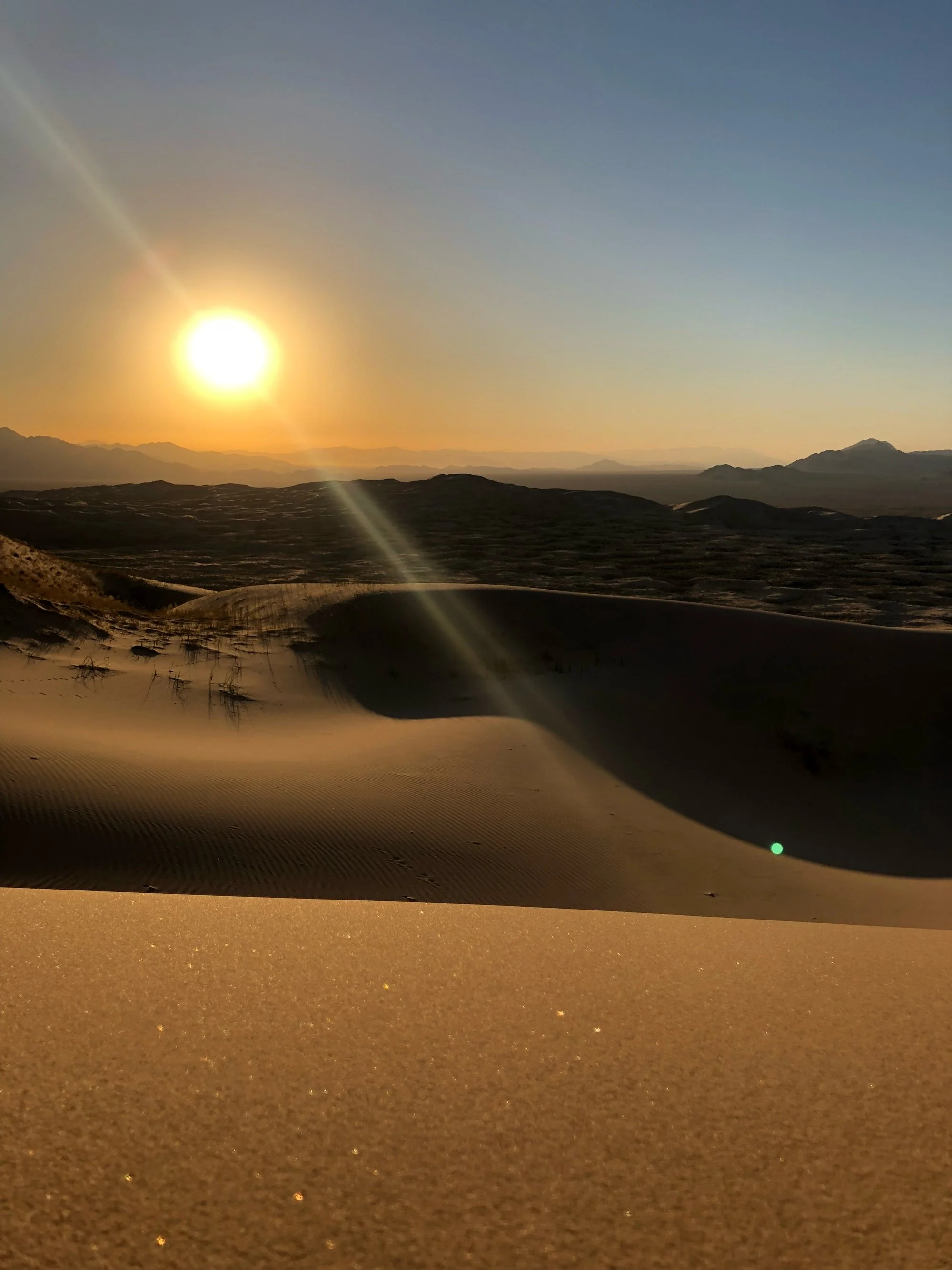
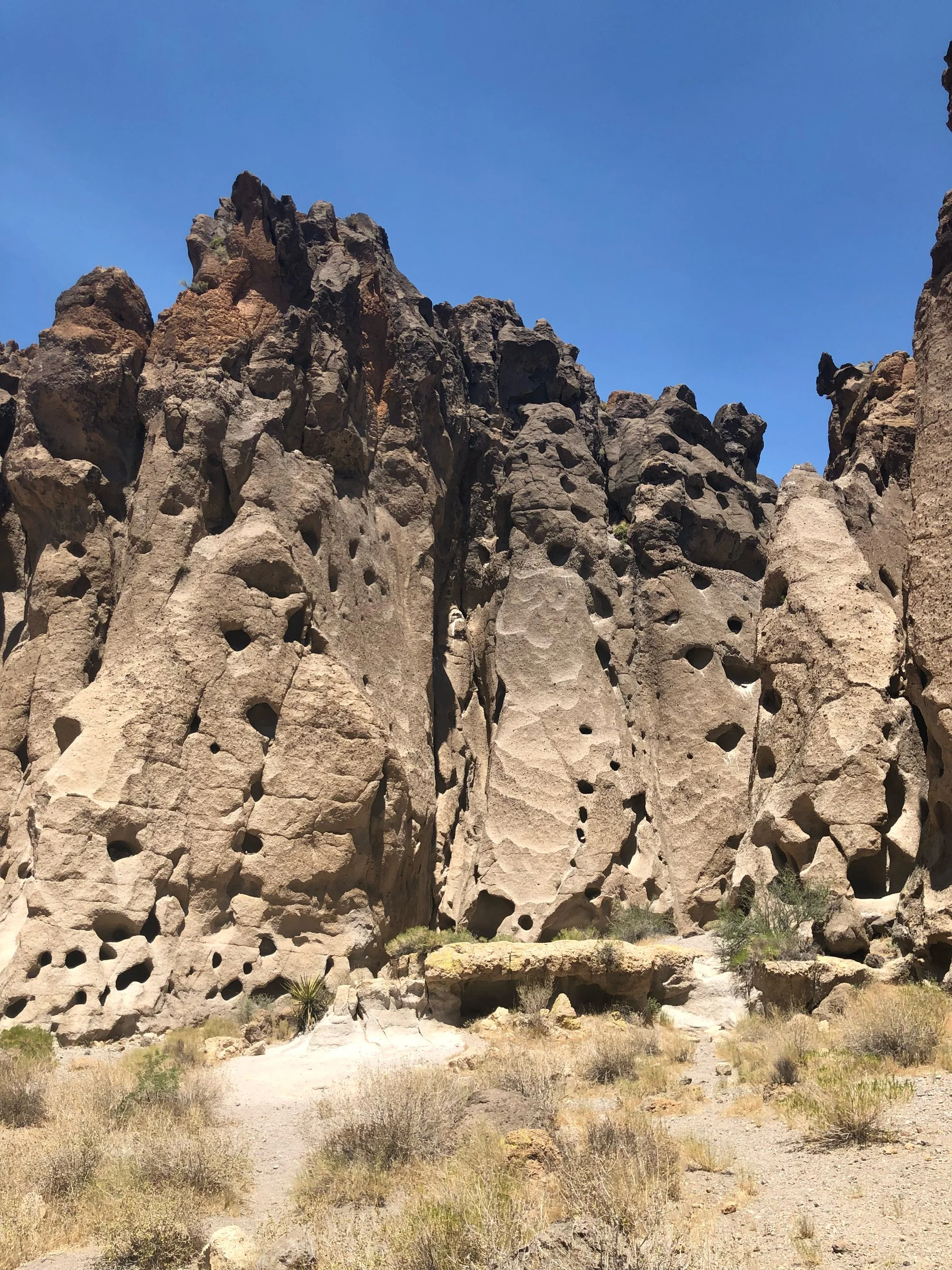
The Mojave Desert reveals remarkable geological diversity within a relatively small region. Limestone caverns, volcanic lava tubes, active sand dunes, granitic mountains, ancient forests of Joshua trees, and broad alluvial fans exist within the same preserve.
The desert is not empty.
It is a record of multiple geological processes operating across vastly different timescales.
Scientific Context
The preserve preserves evidence of volcanism, tectonic uplift, erosion, groundwater dissolution, and aeolian transport. Mitchell Caverns formed as groundwater dissolved limestone deposited beneath an ancient sea. The lava tubes record basaltic eruptions. The Kelso Dunes continue to migrate under prevailing winds, while the Providence Mountains expose rocks uplifted through regional tectonic deformation.
Each landscape records a different mechanism of Earth's evolution.
Questions
What geological processes shaped such a diverse landscape? (desert geomorphology)
What was life like during the heyday of Mojave mining?
How does life adapt to oppressive heat in the summer?
Locations
Mitchell Caverns
Kelso Dunes
Lava tubes
Providence Mountains
Teutonia Peak
Reflection
A month spent walking these landscapes revealed that deserts are often misunderstood as places defined by absence.
Instead, the Mojave demonstrates extraordinary concentration. Geological processes that are hidden beneath vegetation elsewhere are exposed to direct observation. Time becomes visible in stone, wind, and light.
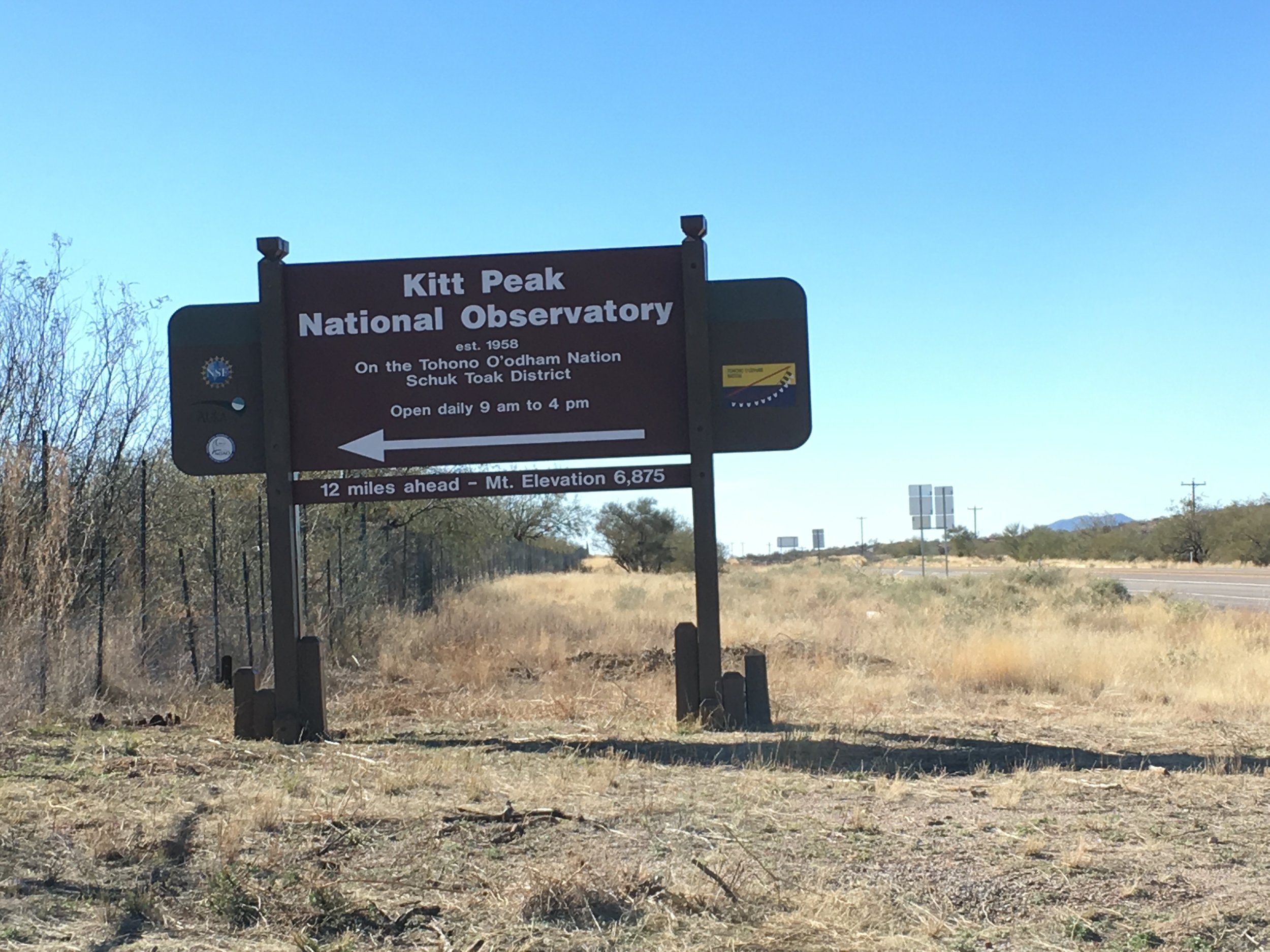
Kitt Peak Observatory
Tuson, Arizona • January 2017
Observation
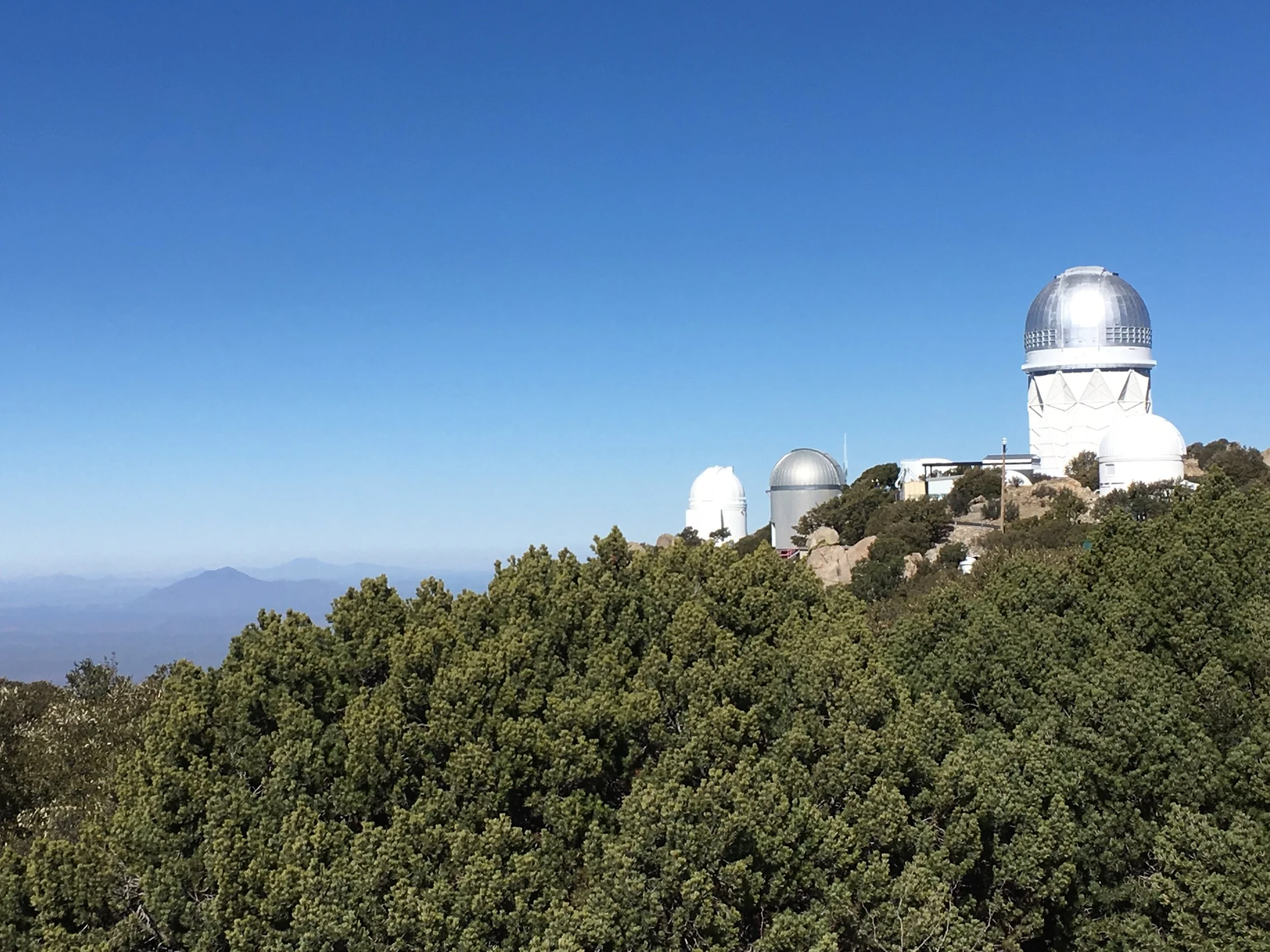
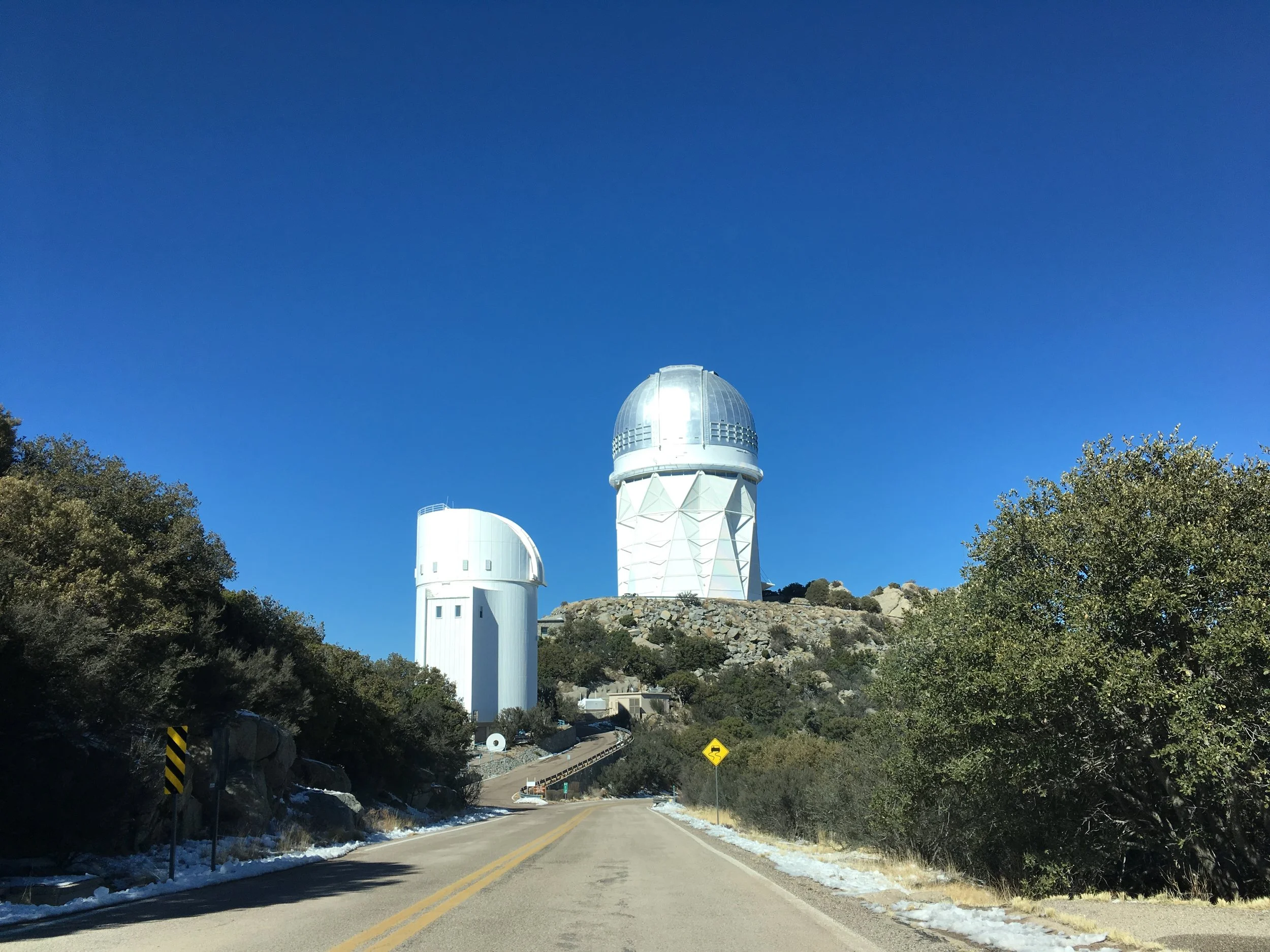
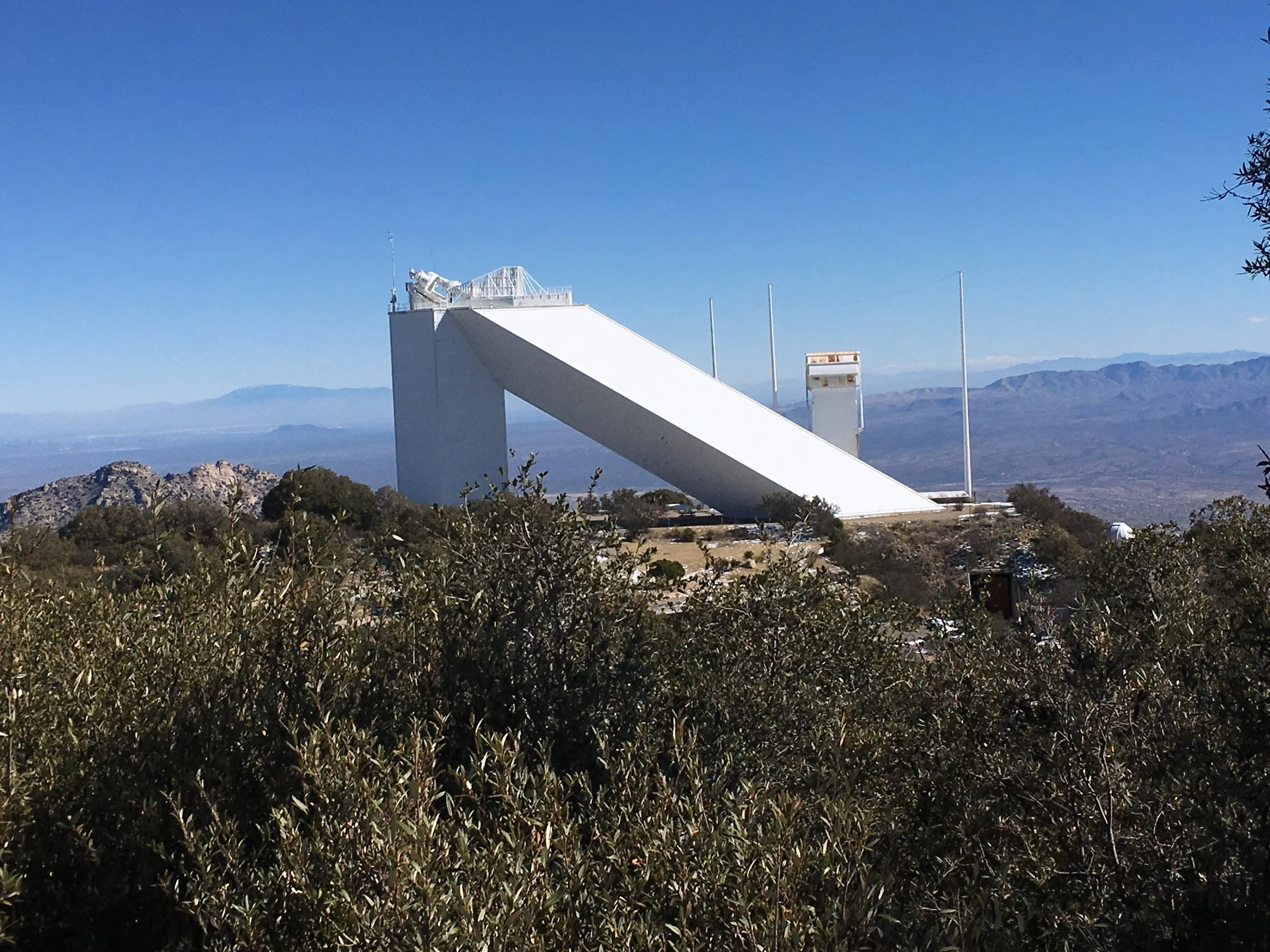
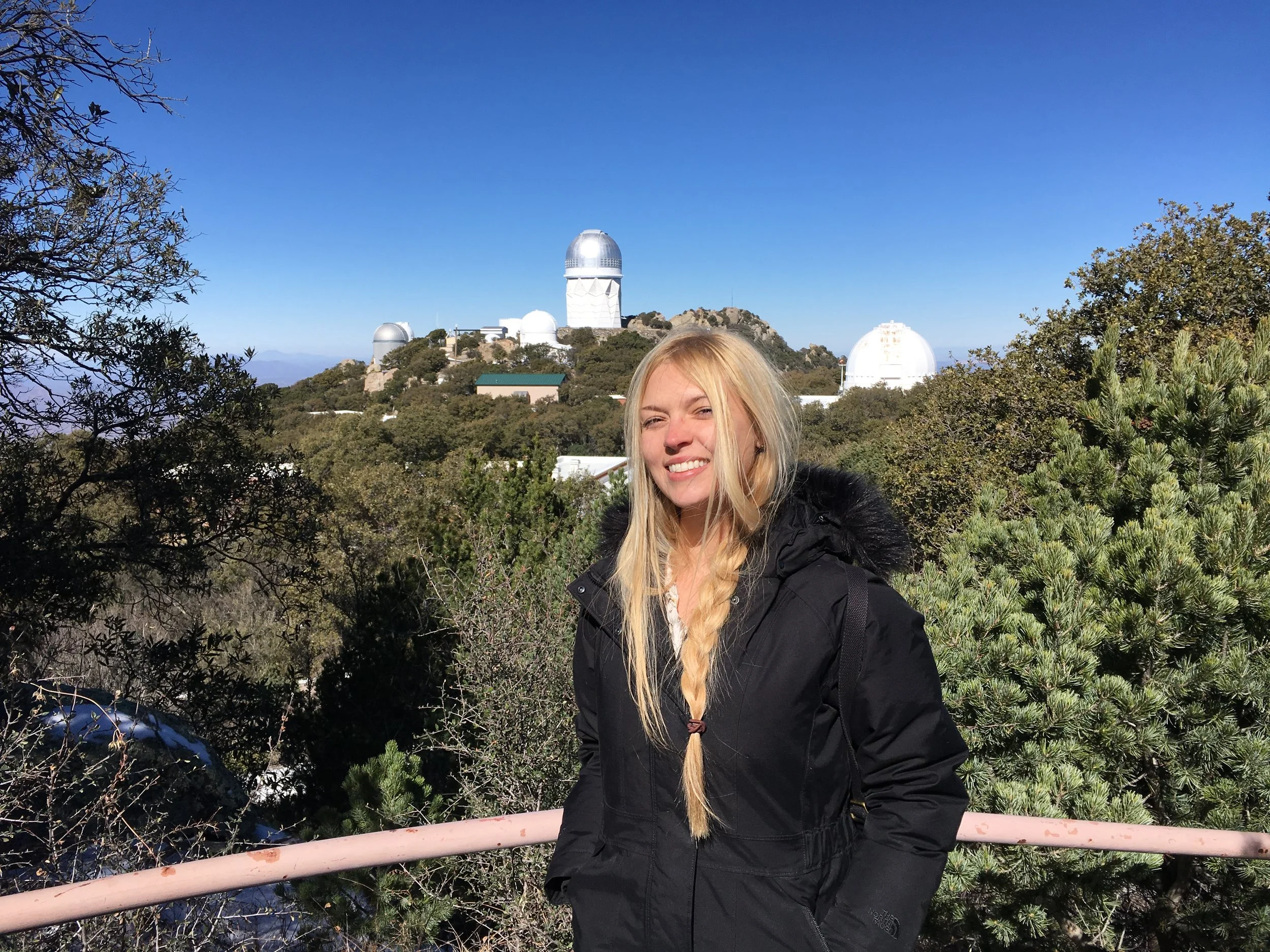
Rising above the Sonoran Desert, Kitt Peak National Observatory occupies a mountain selected for its dark skies, dry atmosphere, and exceptional seeing conditions. While the summit hosts more than twenty telescopes dedicated to exploring the universe, I found myself particularly drawn to the McMath–Pierce Solar Telescope.
Unlike most observatories, much of the telescope disappears beneath the mountain itself.
Scientific Context
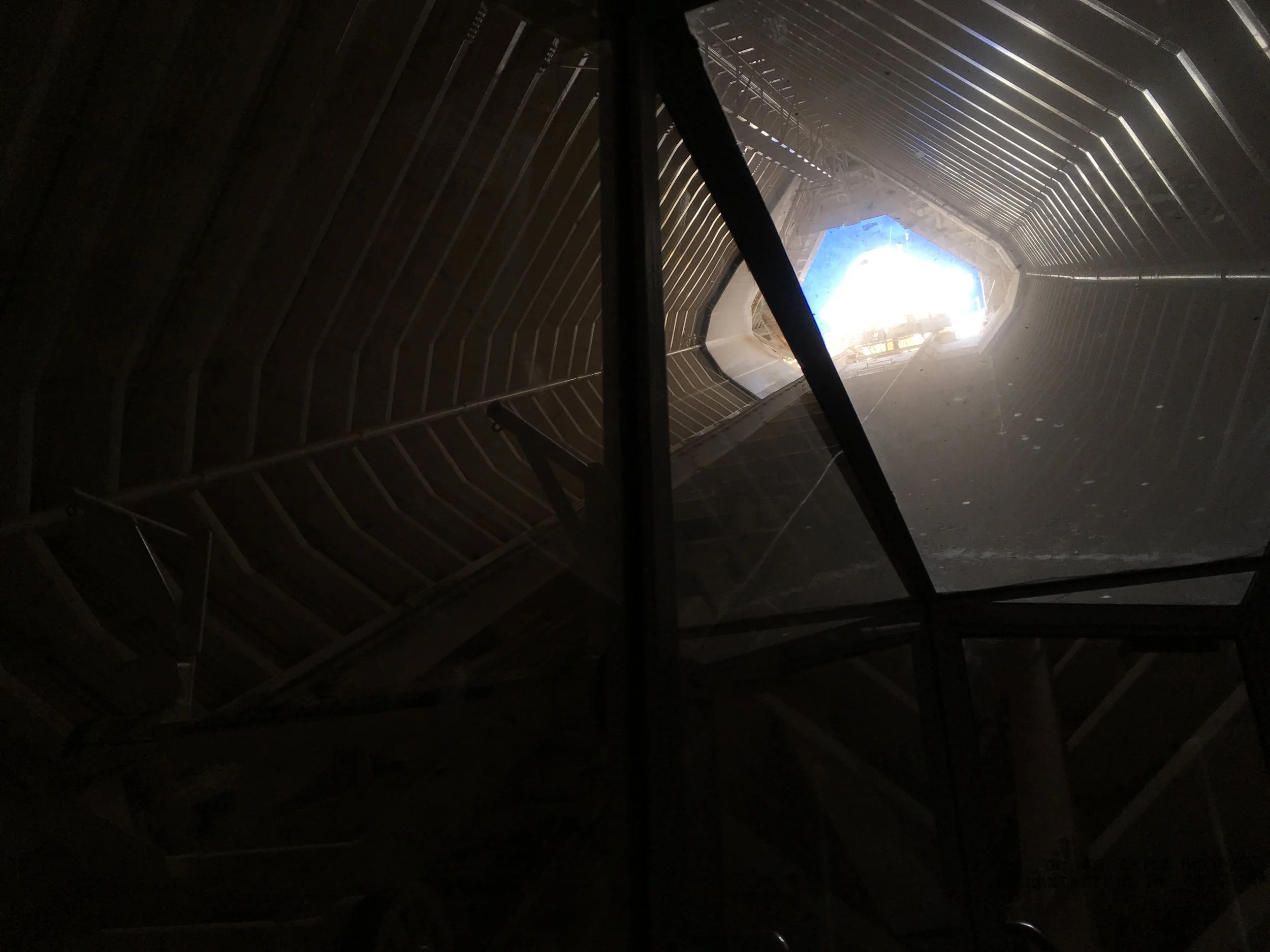
Completed in 1962, the McMath–Pierce Solar Telescope was designed specifically to study our nearest star. A heliostat atop a nearly 100-foot tower directs sunlight down an optical path extending roughly 500 feet—through a 200-foot inclined shaft and an additional 300-foot tunnel excavated into the mountain. By placing much of the telescope underground, engineers created a thermally stable environment capable of producing extraordinarily detailed observations of the Sun.
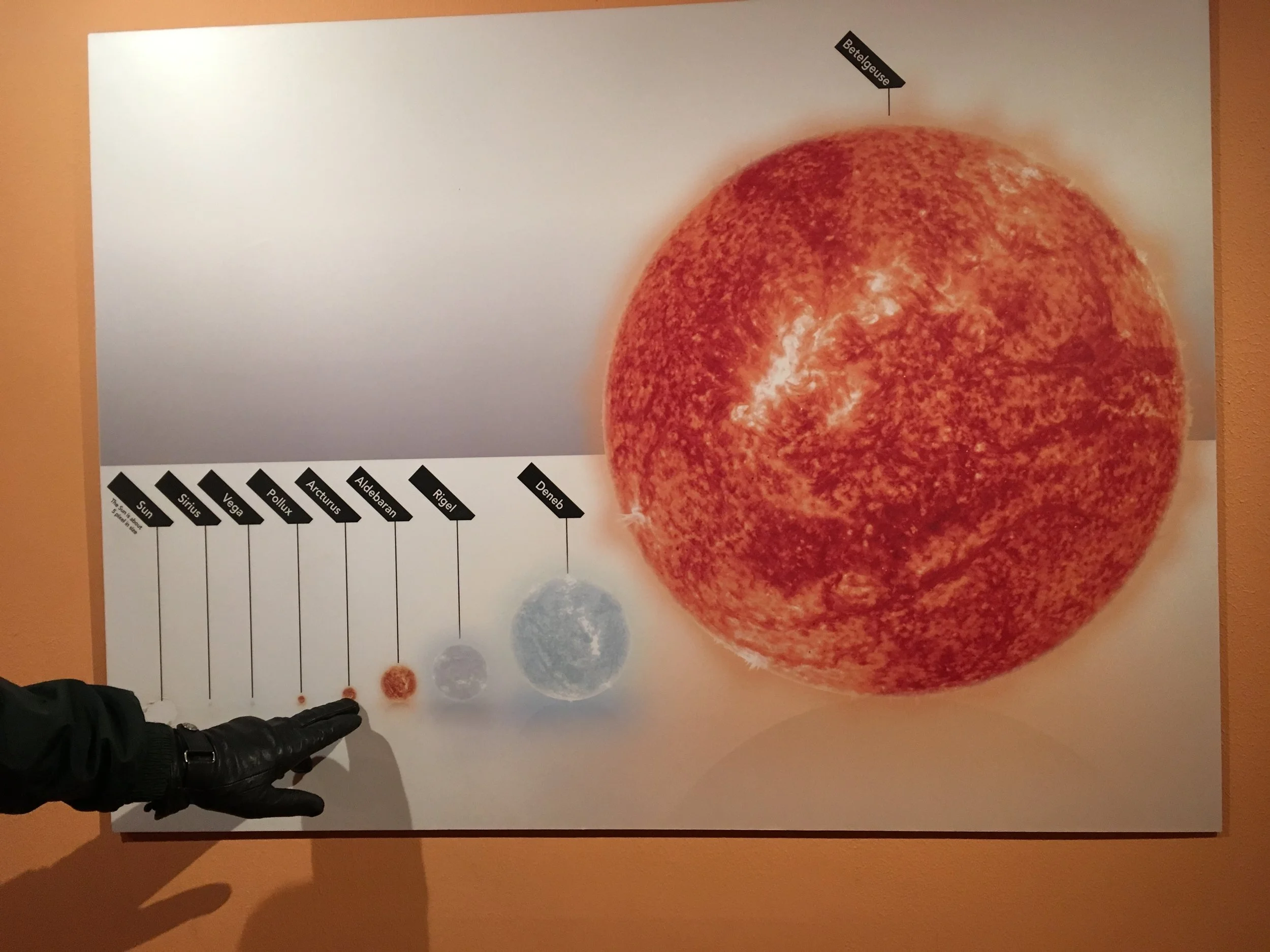
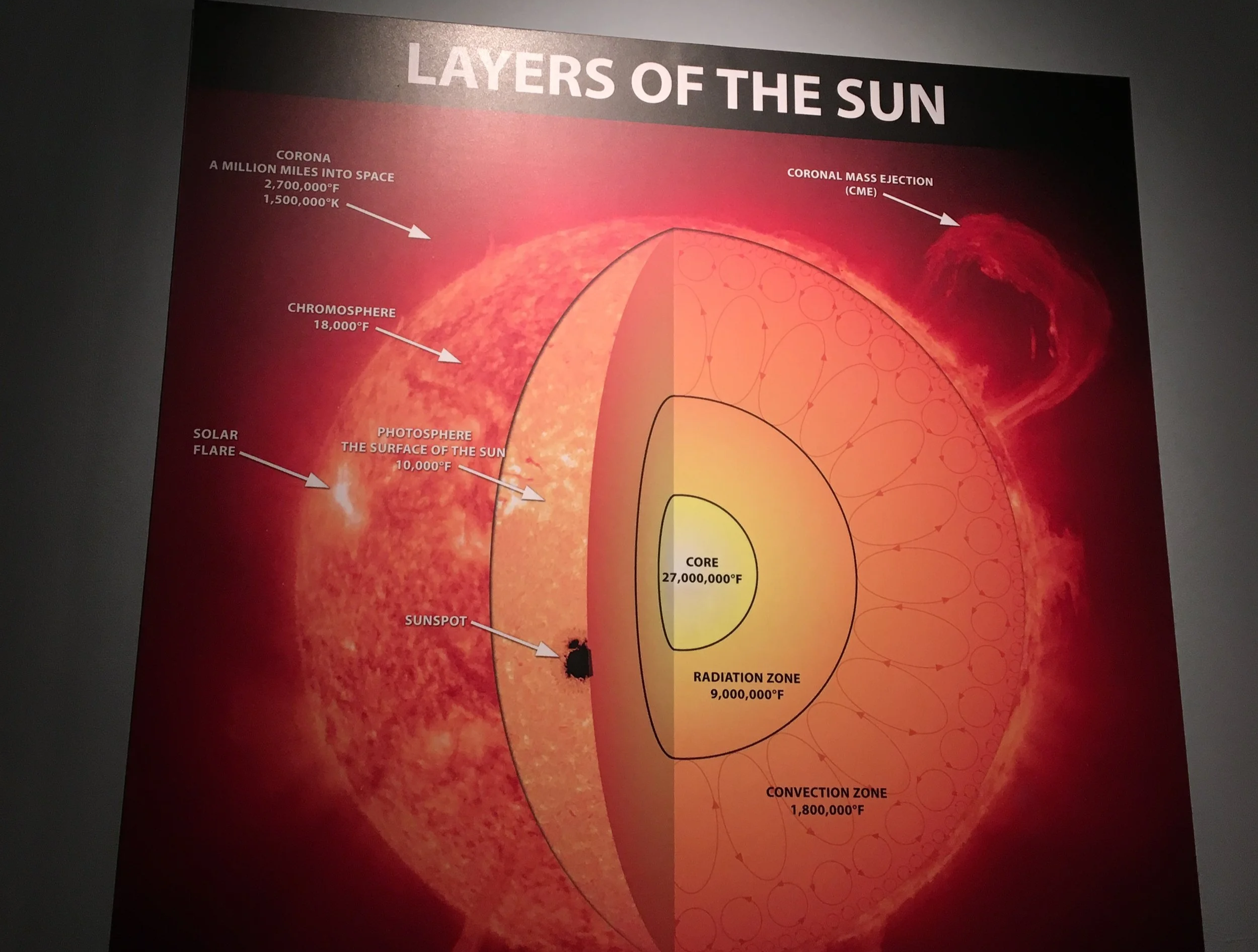
For decades, the observatory served as one of the world's leading centers for solar astronomy. During periods of solar maximum, when the Sun's magnetic field becomes increasingly active and sunspots, solar flares, and prominences proliferate, researchers from around the world gathered here to investigate the dynamics of our nearest star through spectroscopy and high-resolution imaging.
Questions
Tohono O’odham nation gave Kitt Peak to the astronomers after they showed the elders what was visible in the skies. They called the astronomers “man with long eye.” How does optical technology give us access to scales of reality magnitudes greater than our own?
How does the sun appear during times of low activity?
Connections
Solar astronomy
Solar cycles
McMath–Pierce Solar Telescope
Observational science
Mountain landscapes
Light
Palomar Observatory
Palomar Mountain, California • April 2015
Observation
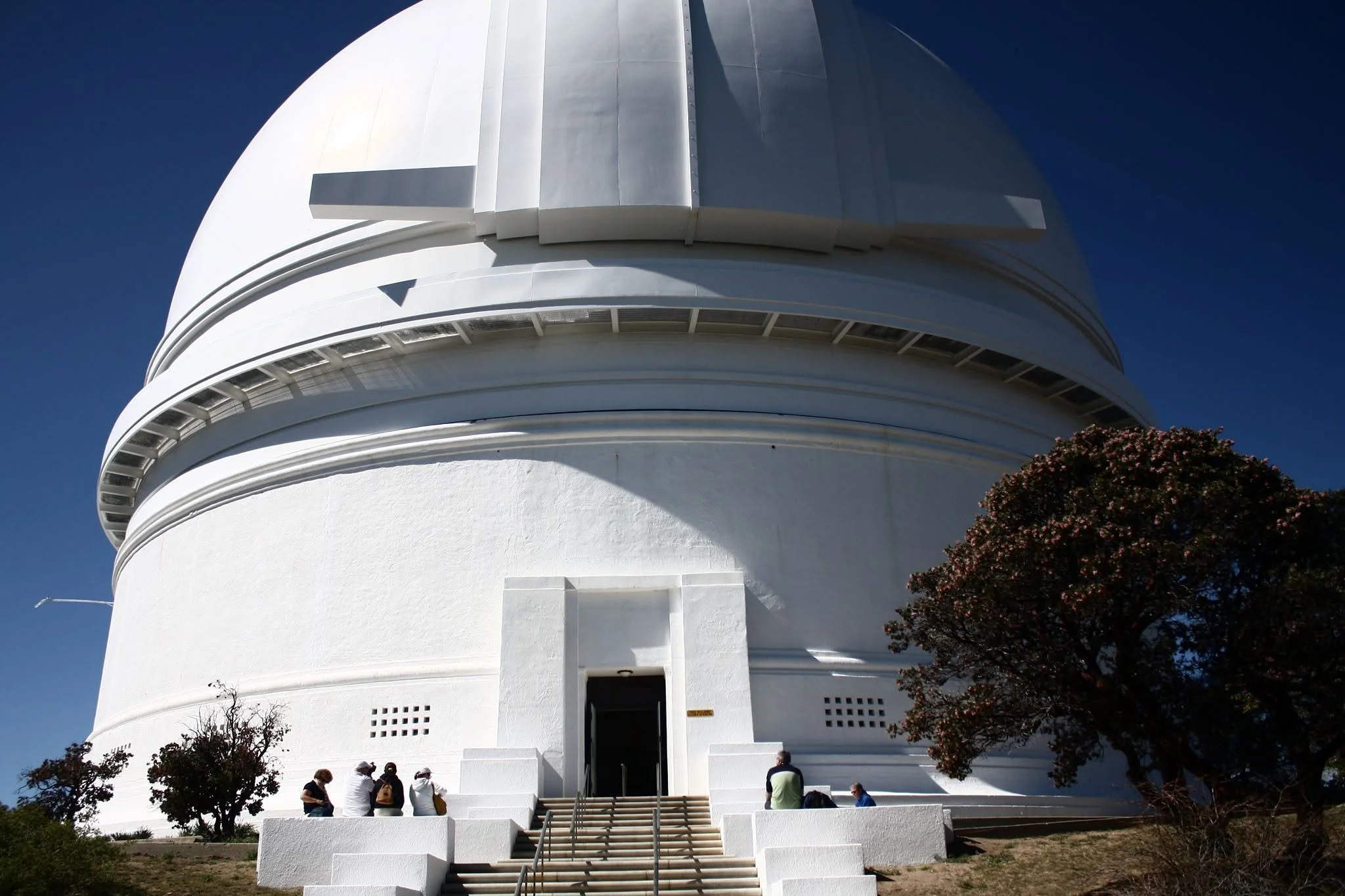
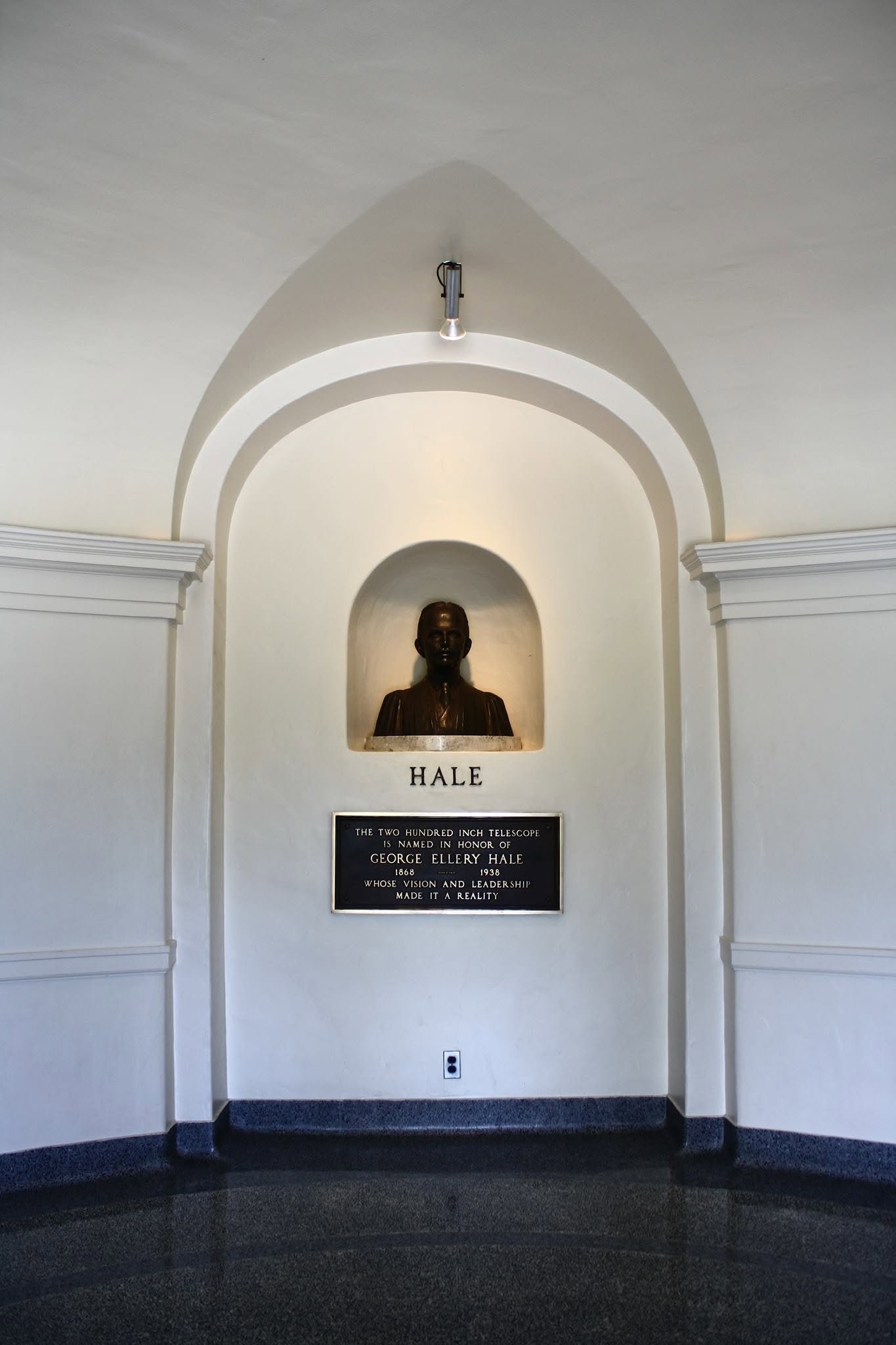
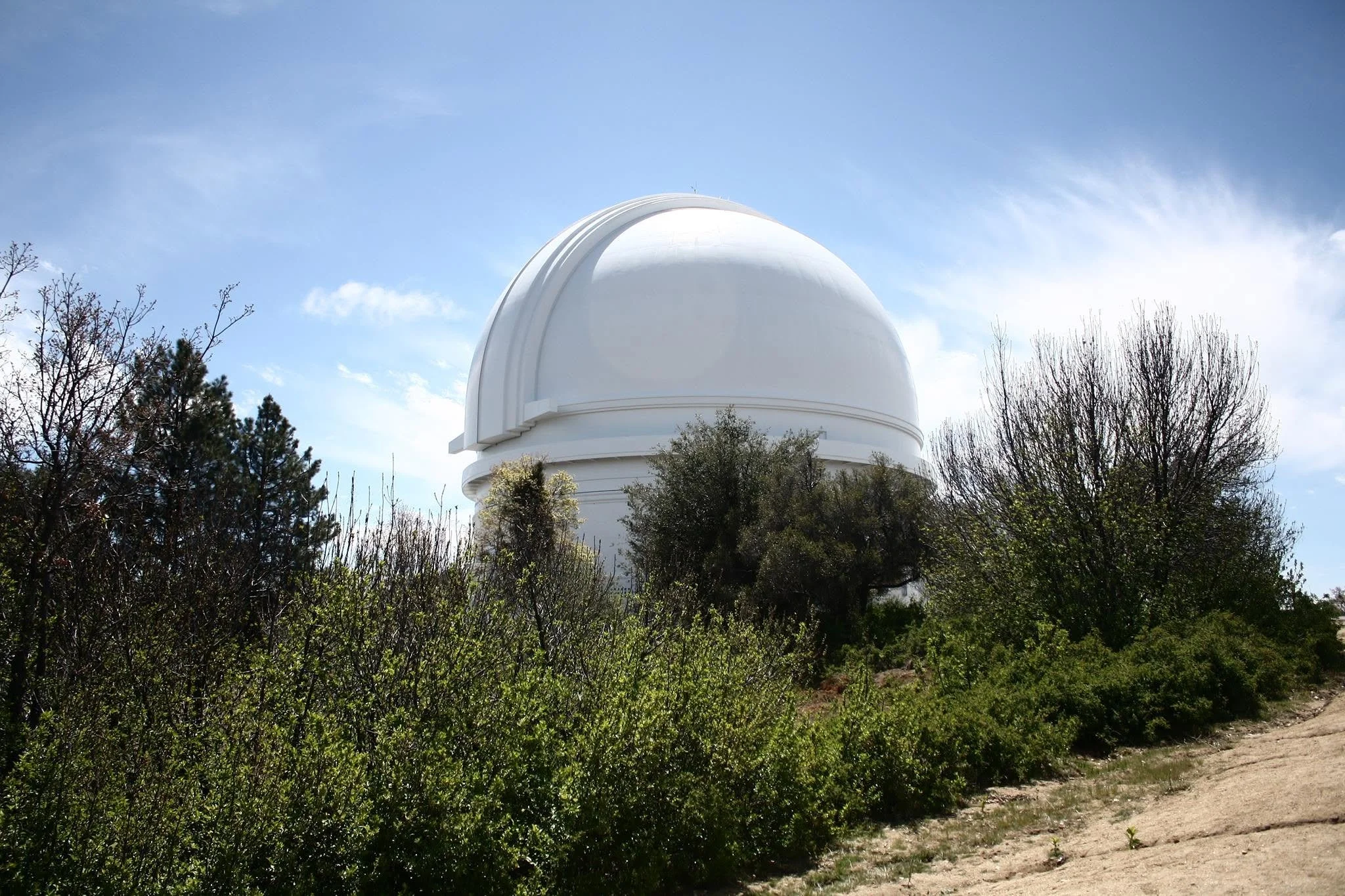
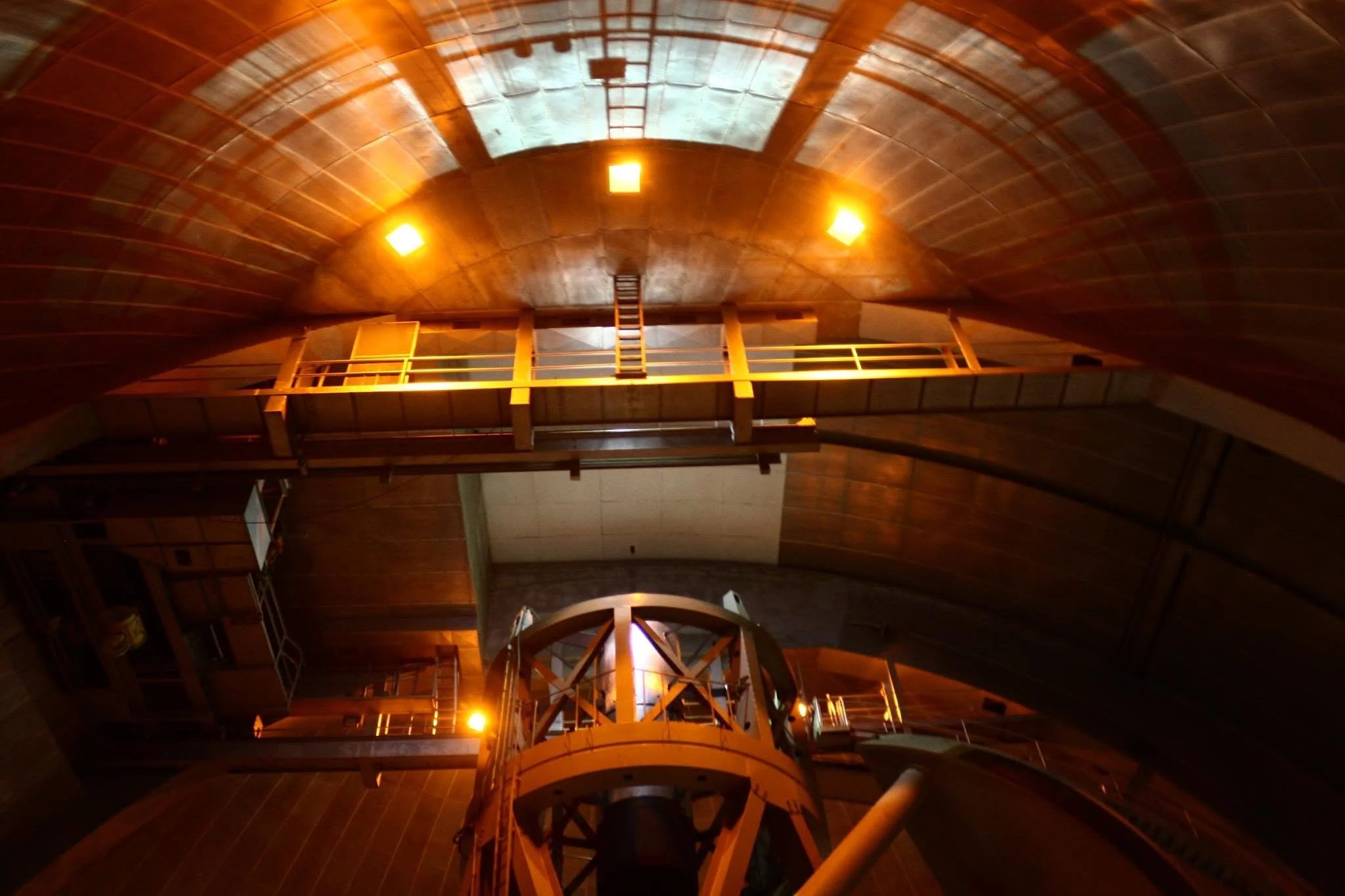
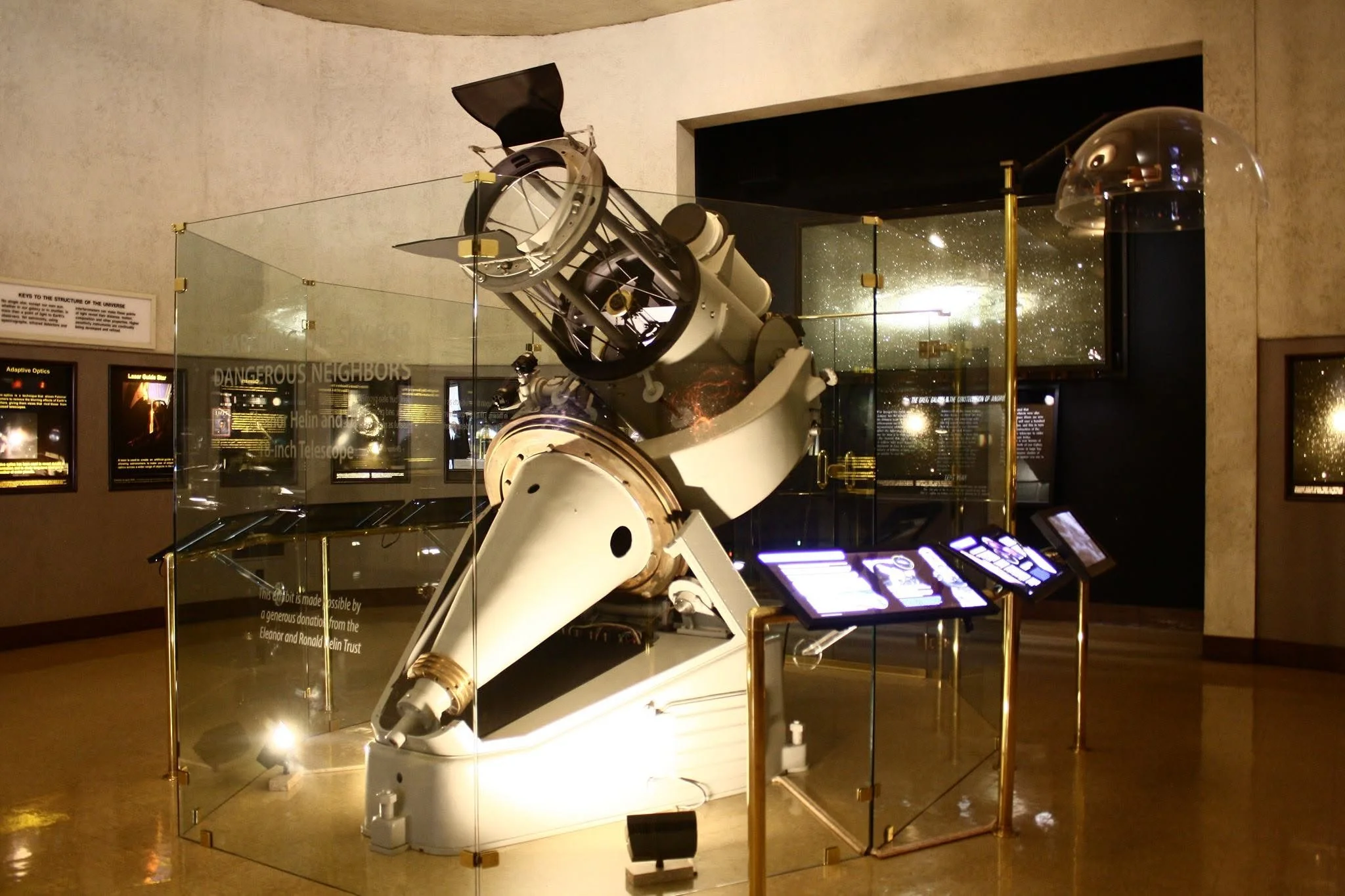
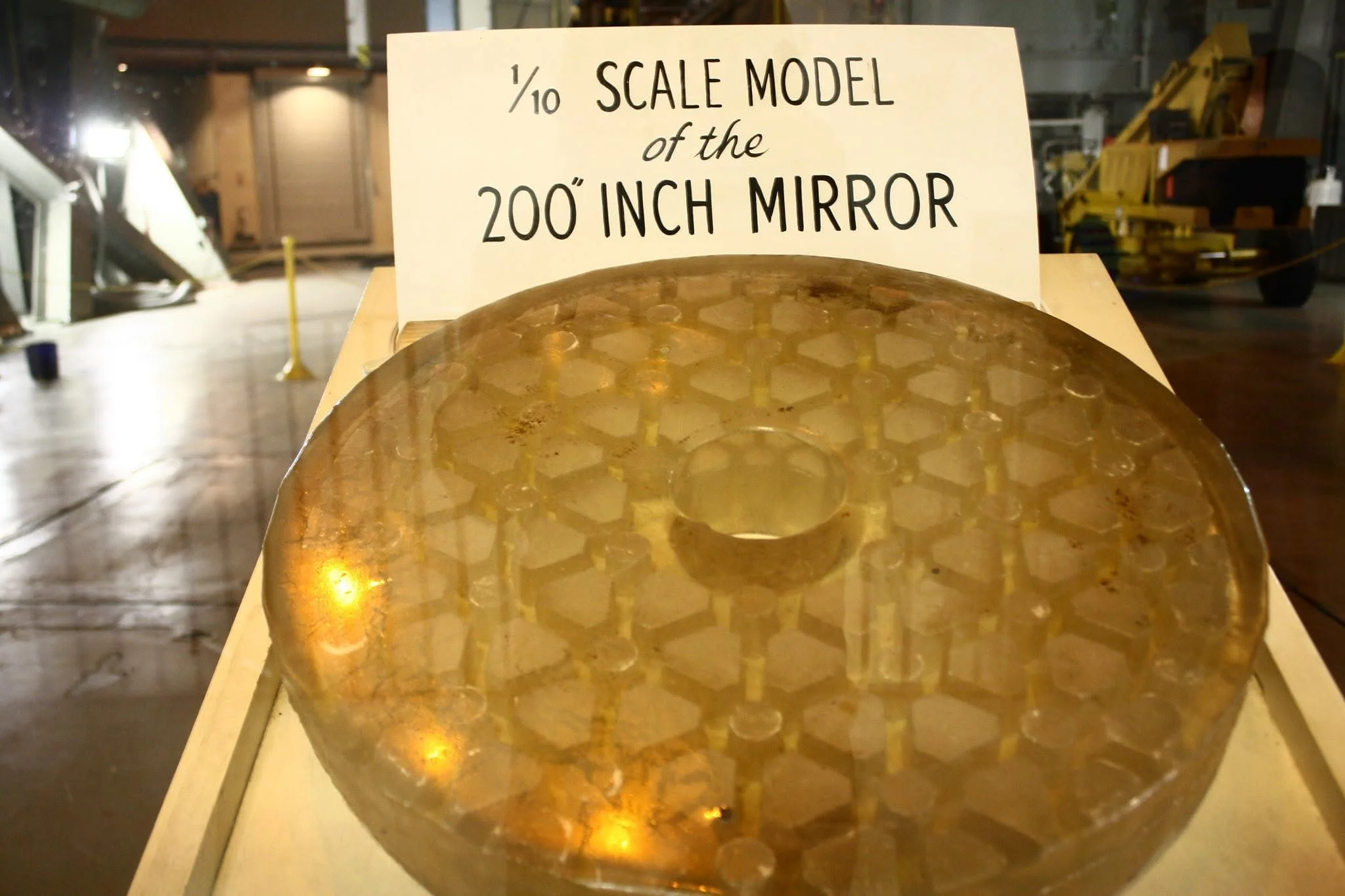
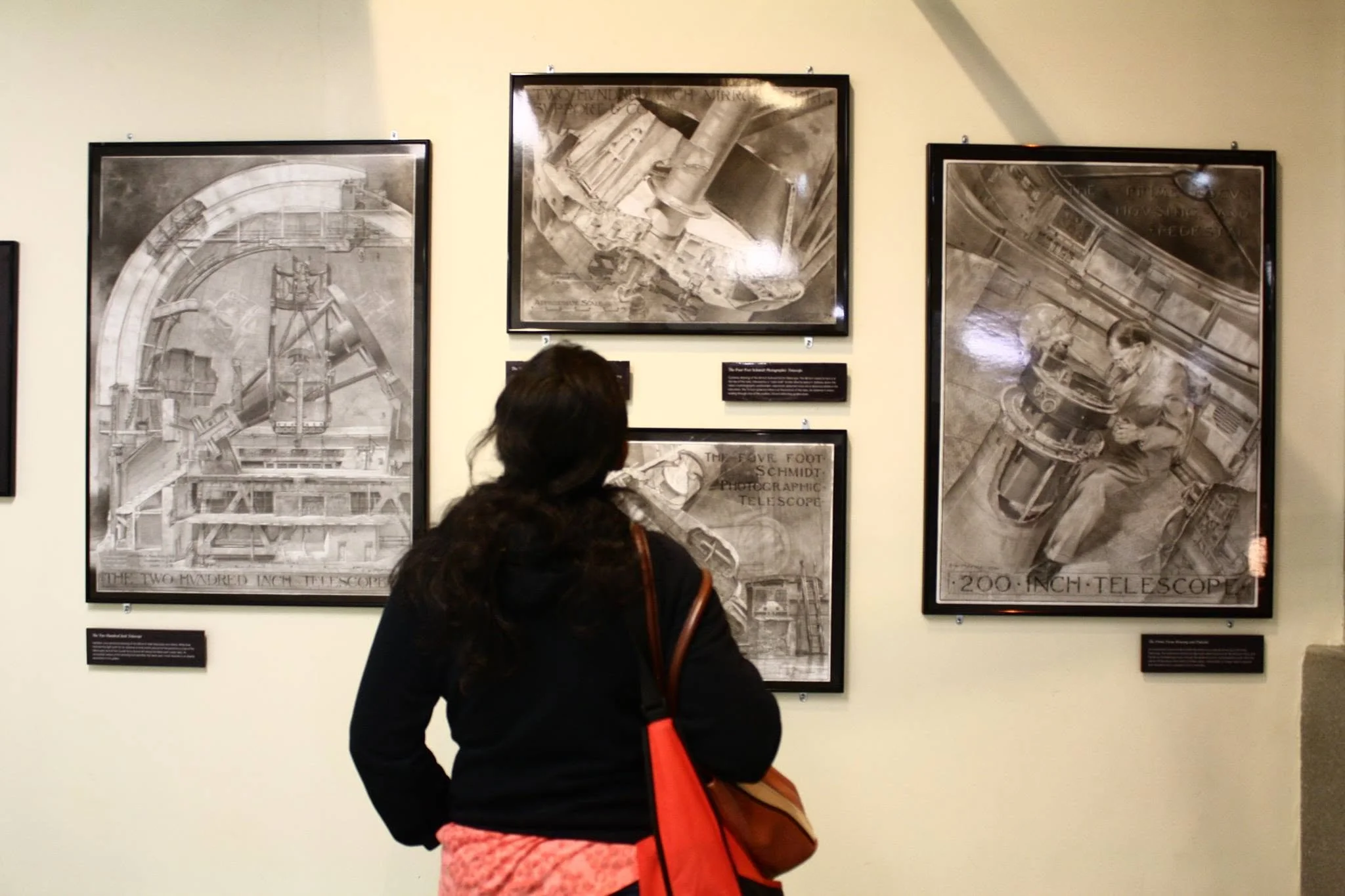
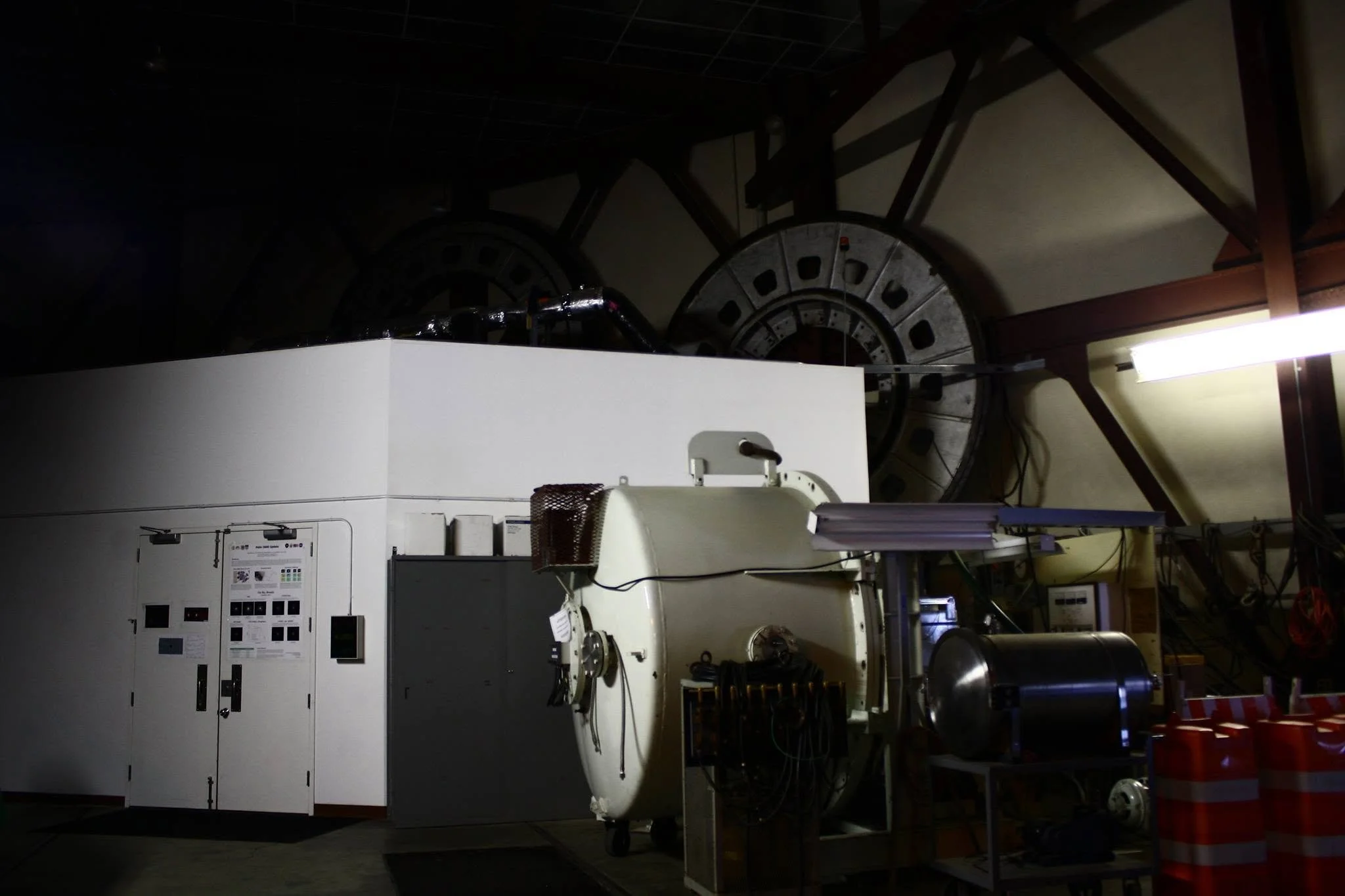
Standing atop Palomar Mountain, the Hale Telescope occupies a monumental white dome overlooking Southern California. Unlike many scientific instruments that disappear into laboratories, this telescope announces its purpose through its scale. The building itself communicates humanity's desire to see farther.
Scientific Context
Completed in 1948, the 200-inch (5.1-meter) Hale Telescope remained the world's largest operational telescope for several decades and fundamentally reshaped twentieth-century astronomy. Its unprecedented light-gathering ability allowed astronomers to study distant galaxies, stellar populations, quasars, and the large-scale structure of the universe with a level of detail previously unattainable.
The observatory demonstrates how advances in engineering expand the boundaries of observation, allowing increasingly distant objects to become part of scientific inquiry.
Objective
Studying minerals and crystals is studying the past, which shall remain in the soil beneath us. If you want the future, you must look to the stars.
Connections
Hale Telescope
Observational astronomy
Optics
Mountain observatories
Cosmology
Light
Mississippi River Delta
Southern Louisiana • 2015
Observation
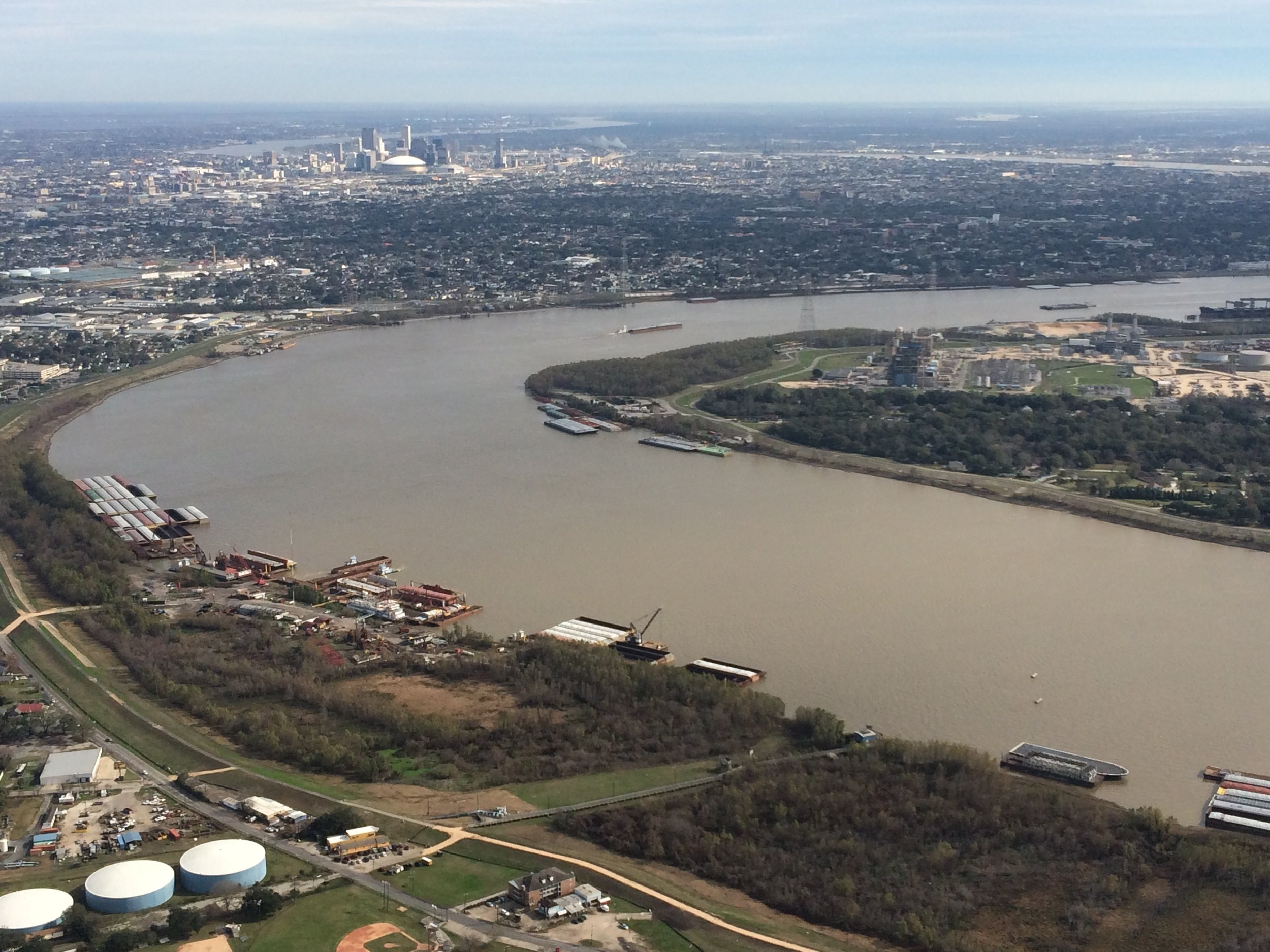
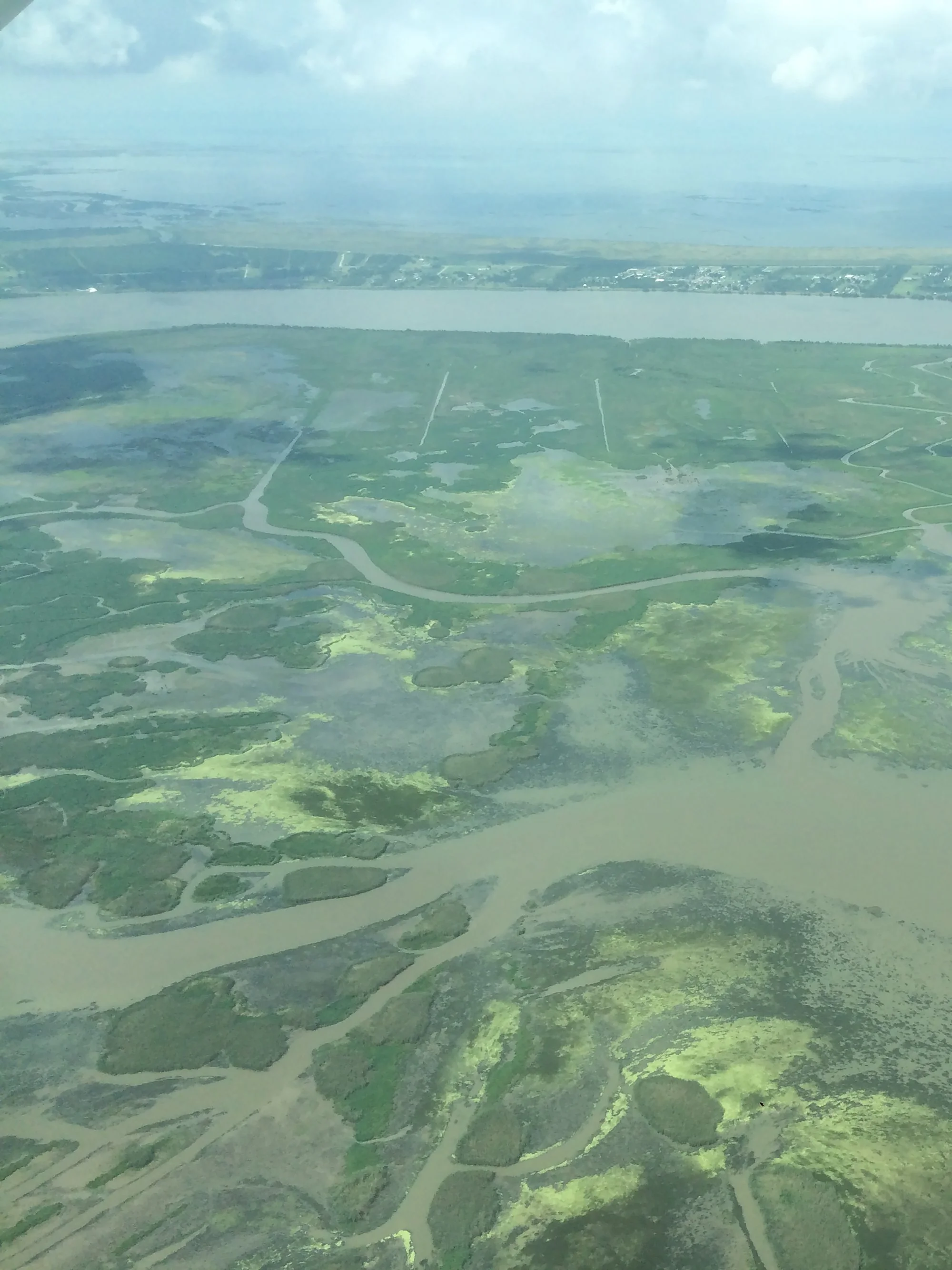
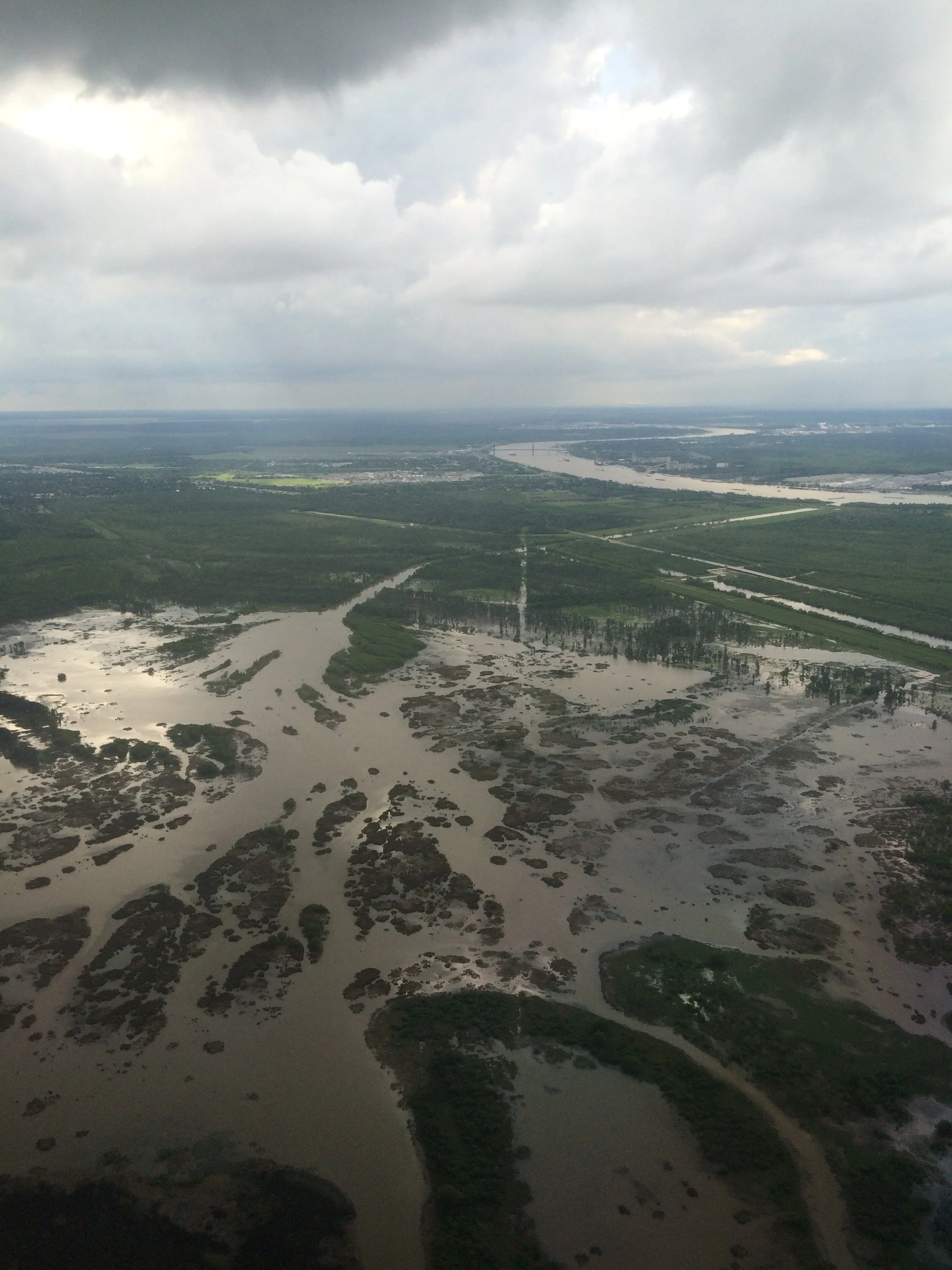
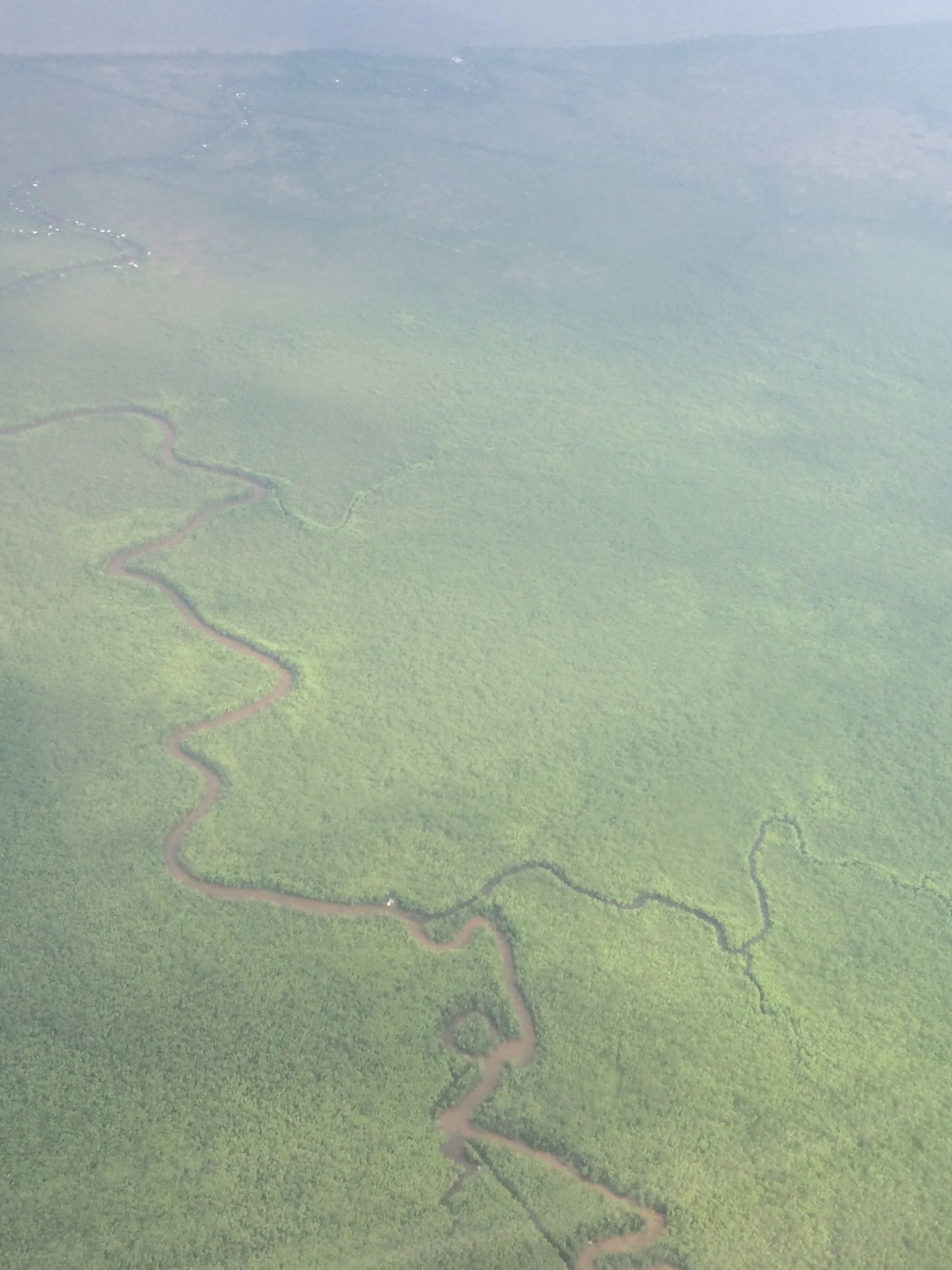
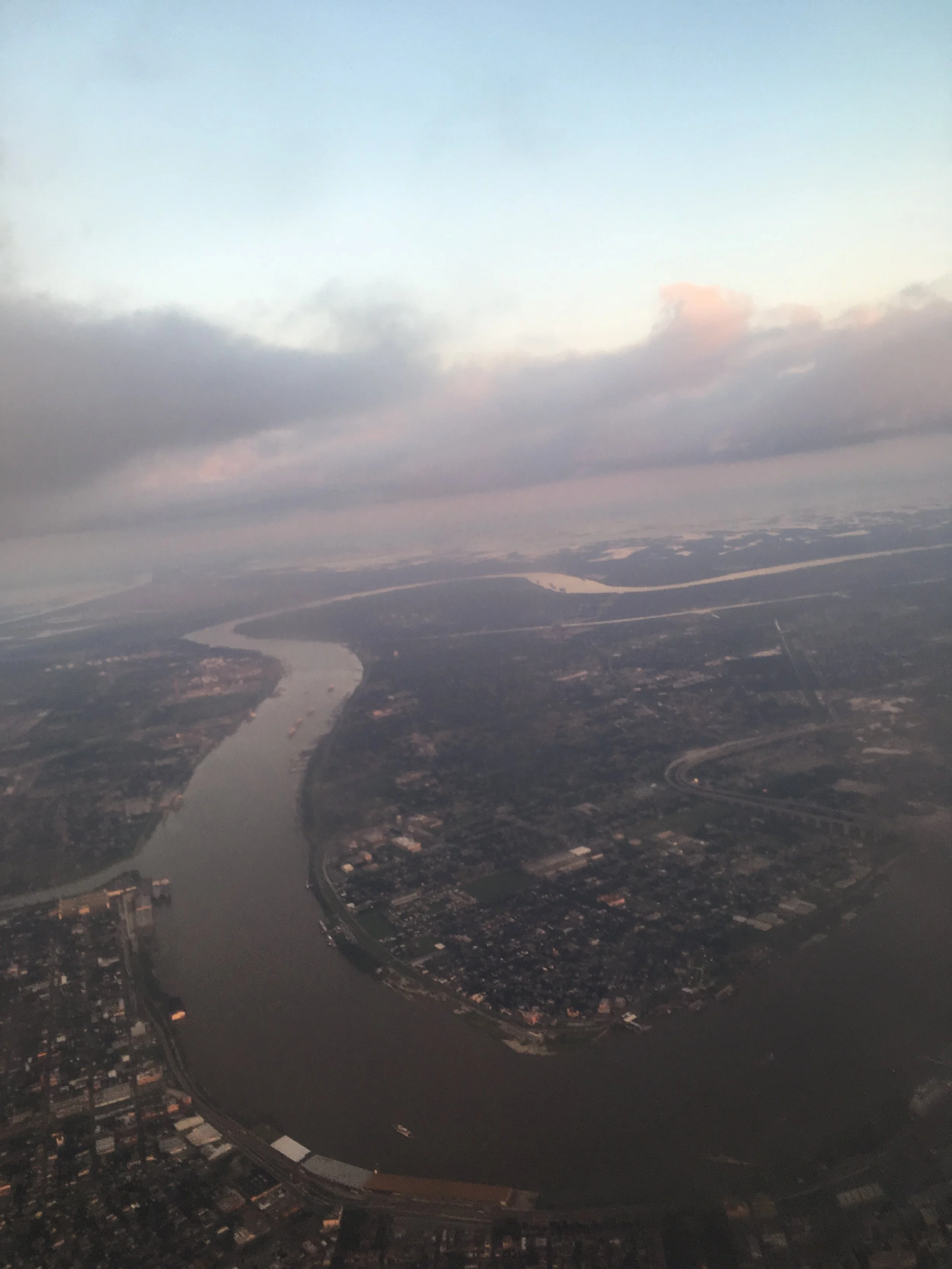
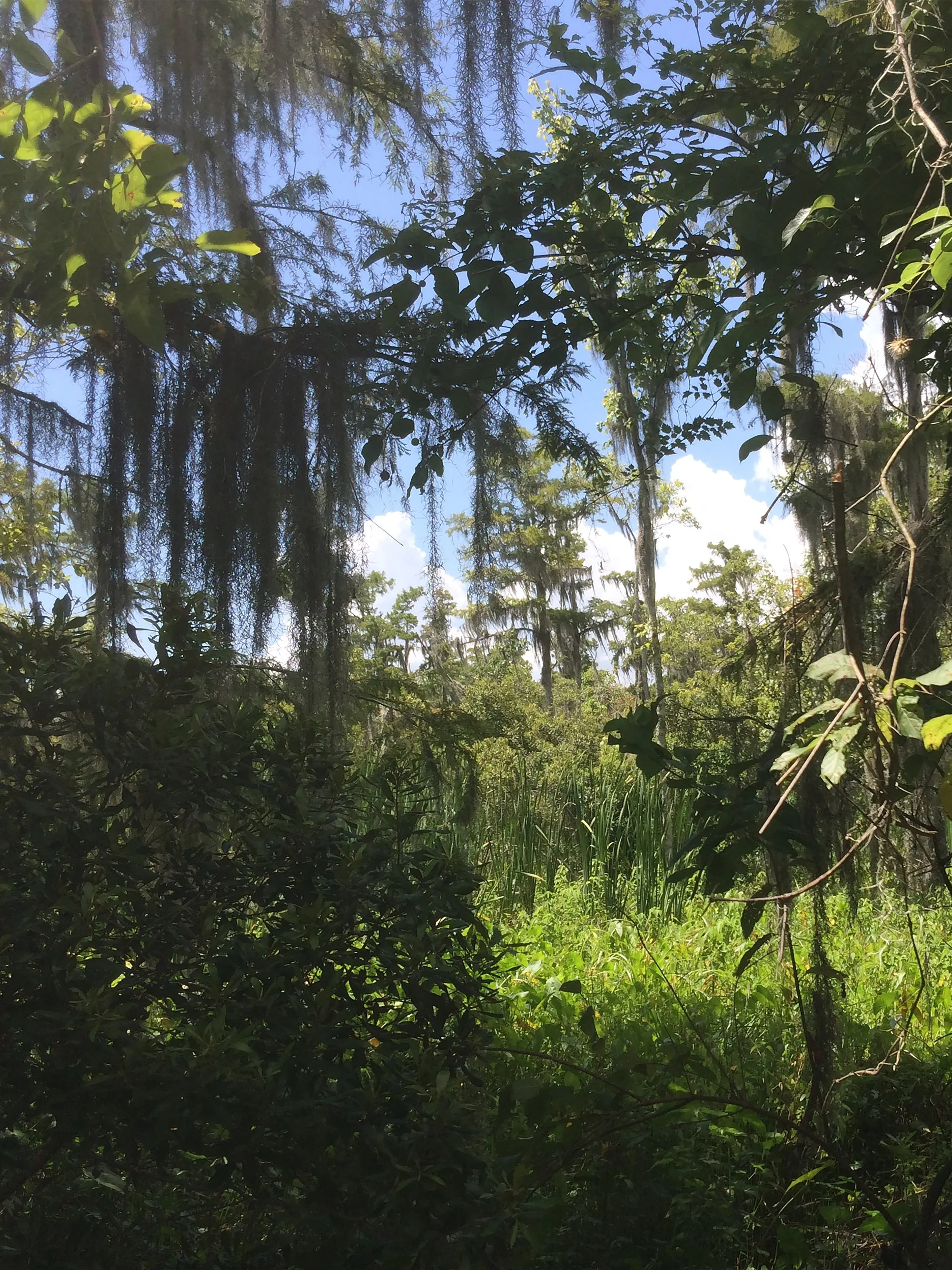
From the air, the bayous appear as branching arteries winding through an uninterrupted expanse of marsh. Water defines the landscape more than solid ground.
Scientific Context
These distributary channels continually transport sediment, nutrients, and freshwater across the delta plain. Flooding, deposition, subsidence, and vegetation operate together to produce a landscape that is constantly reorganizing itself.
The wetlands exist in dynamic balance between river, sea, and biological growth.
Questions
Can a landscape without permanence still possess continuity?
How do constantly changing environments shape memory and identity?
Connections
Wetland ecology
Delta processes
Hydrology
Landscape change
Reflection
From above, weather becomes another geological process. Rain, river, sediment, and vegetation participate in the same system of continual transformation.
The delta is not a finished landscape.
It is an active process.