Primordial Bogging
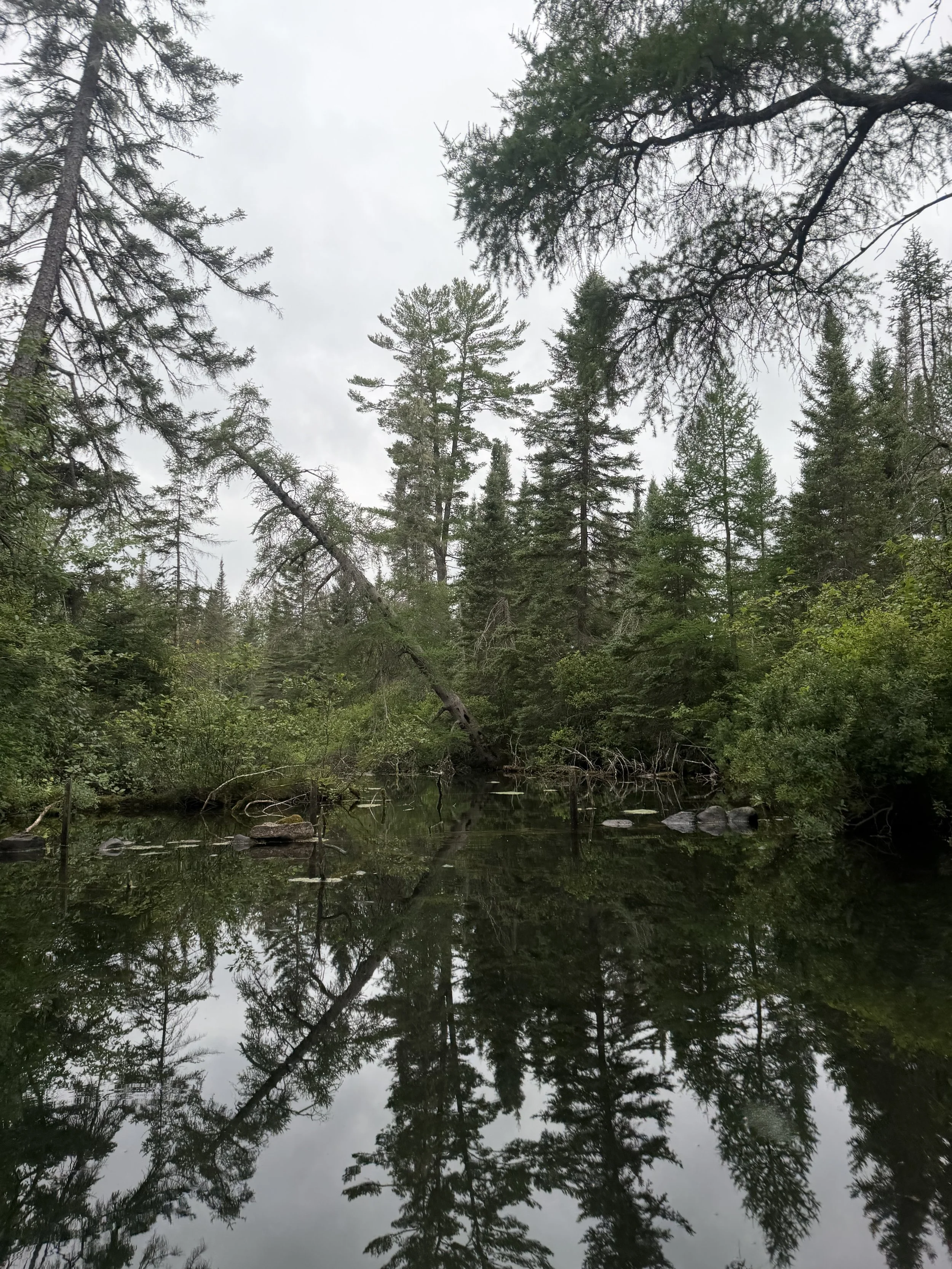
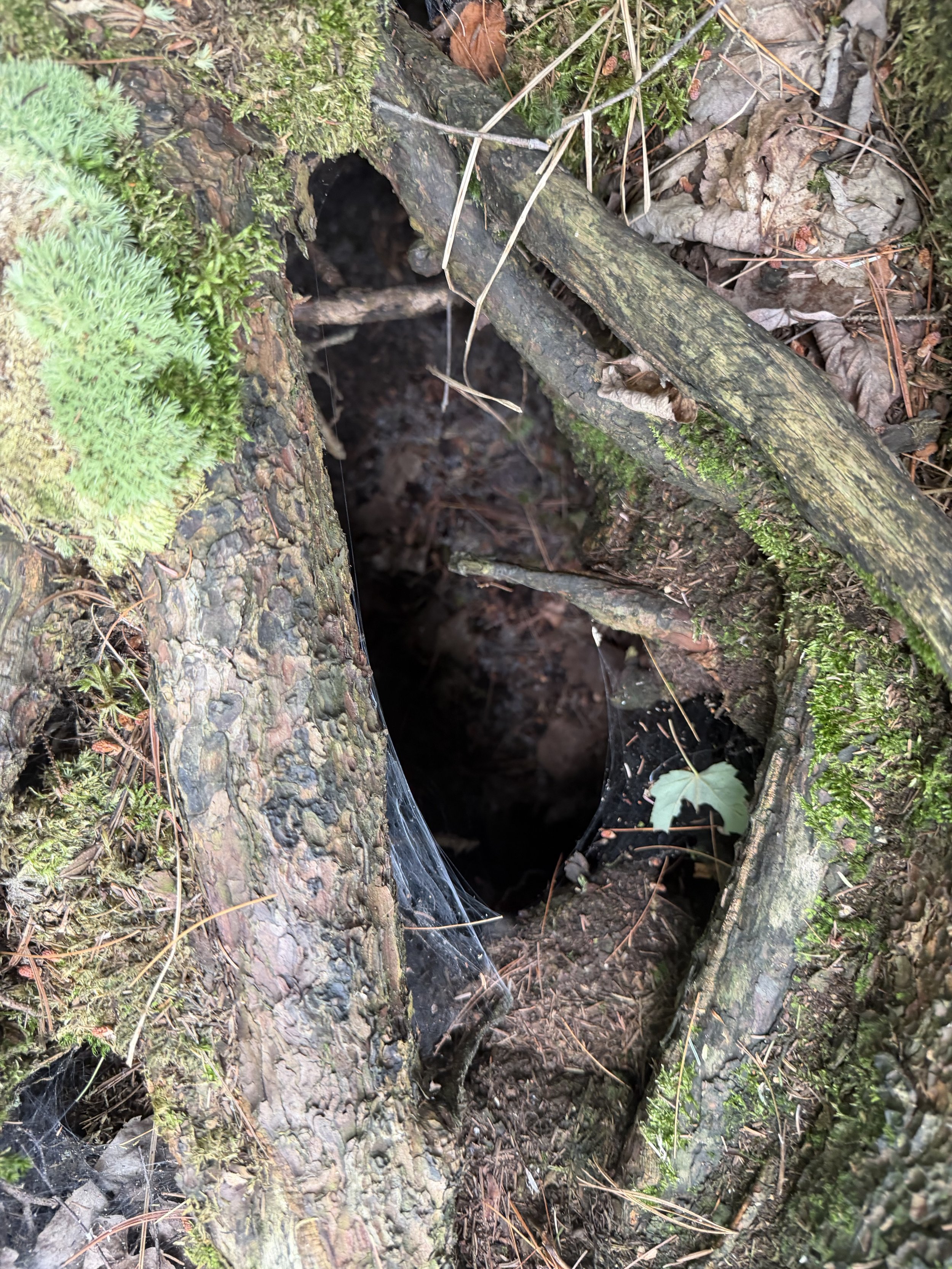
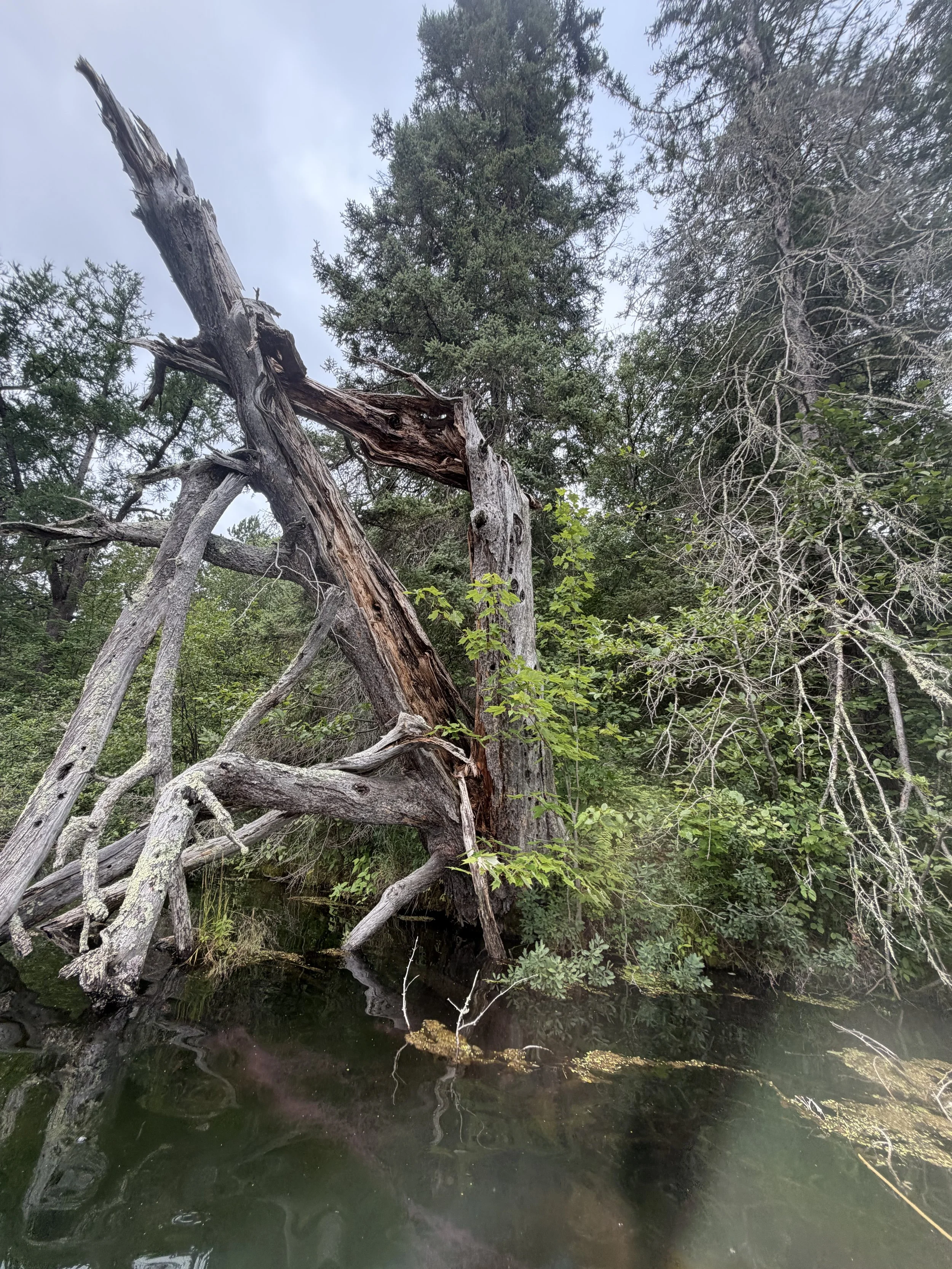
Resisting the primordial urge to return to the bog, but just barely.
I melted into a puddle in the kayak and had to reassemble myself, relearning basic motor functions courtesy of psilocybin-flavored chocolates. It was a petite death and rebirth. And I was born again in Narnia.
I couldn't believe this was a real place.
Uncontrollable tears. Unbearable beauty.
We embarked on a 12.5-mile paddle toward Lake Superior, launching at Stones Bridge along Wisconsin's Bois Brule River. I hadn't done any research beforehand. I simply trusted the spirit guide who brought me there—my younger brother.
Only afterward did I learn we had crossed a geologic threshold.
Near the end of the last Ice Age, torrents of glacial meltwater carved the oversized valley now known as the Brule Glacial Spillway. Around Stones Bridge, the river undergoes a geomorphic transition: upstream it meanders quietly through broad peatlands, while downstream the valley steepens, springs emerge, and the current noticeably quickens.
Teeming with insects, microbes, and mosses, the bog became the feature that summoned me. It was a silent siren, luring me toward banks woven together by cedar roots and blanketed in sphagnum moss. My spirit guide saved me from myself—and from the fleeting desire to crawl into the peat bog and return to source.
For a moment, I saw myself as a bog person.
I come from swampland.
But bogs are different.
A bog is an environmental archive—a wetland where plant growth exceeds decomposition. Under ordinary circumstances, fungi, bacteria, insects, and oxygen rapidly recycle dead plants back into soil. In a bog, water saturates the ground, oxygen becomes scarce, and decomposition slows dramatically. Instead of disappearing, each generation of plants leaves behind a thin layer of partially decomposed peat. Over thousands of years, those layers accumulate into a geological formation built by life itself.
Bogs are hoarders of organic matter.
They possess a peculiar gravity. They absorb sound.
Walking across peat feels almost like walking on a cloud. Ecologists recognize peatlands as some of Earth's greatest terrestrial carbon reservoirs because enormous quantities of organic material remain stored within them instead of returning to the atmosphere.
Landscapes that remember.
Many northern peatlands began forming after the retreat of the Laurentide Ice Sheet roughly 10,000–12,000 years ago.
Unlike Wisconsin's Driftless Area, whose rugged valleys largely escaped direct glaciation, the Brule landscape is fundamentally a product of the last Ice Age. Catastrophic glacial meltwater carved the oversized spillway, establishing the broad valley through which the Brule River now flows north toward Lake Superior. Over the following millennia, cold groundwater, acidic conditions, and slow biological accumulation transformed portions of that valley into the peatlands that today support white cedar, balsam fir, spruce, orchids, mosses, ferns, alder, ash, and nearby black spruce bogs.
Where the Driftless preserves an older landscape sculpted primarily by rivers and groundwater, the Brule preserves the aftermath of glaciers.
These are not primordial bogs in the literal sense. Yet they preserve ancient pollen, long-stored carbon, and ecosystems that have changed remarkably slowly since the Ice Age. They remain among the closest things we have to living archives of the post-glacial world.
Every landscape has its own history, constraints, and modes of operation. If ritual seeks to work with place rather than merely occur within it, then these characteristics become significant. A bog does not simply represent preservation; it is a system that preserves. It slows decomposition, stores carbon, muffles sound, archives pollen, and accumulates layer upon layer of biological history. Working within such a landscape invites reflection on those same processes—not because the bog grants them symbolically, but because they are already unfolding there.
During my mycelium journey I managed to drain my phone's battery, leaving me unable to photograph the epiphany moments. Perhaps that was fitting. Some experiences resist documentation.
It took us nearly seven hours to paddle 12.5 miles. Every muscle protested the next morning, and I was disappointed I hadn't properly captured the beauty of a landscape reminiscent of Norwegian mythology and lore.
Then again, perhaps the bog was never meant to be captured.
Only remembered.
References
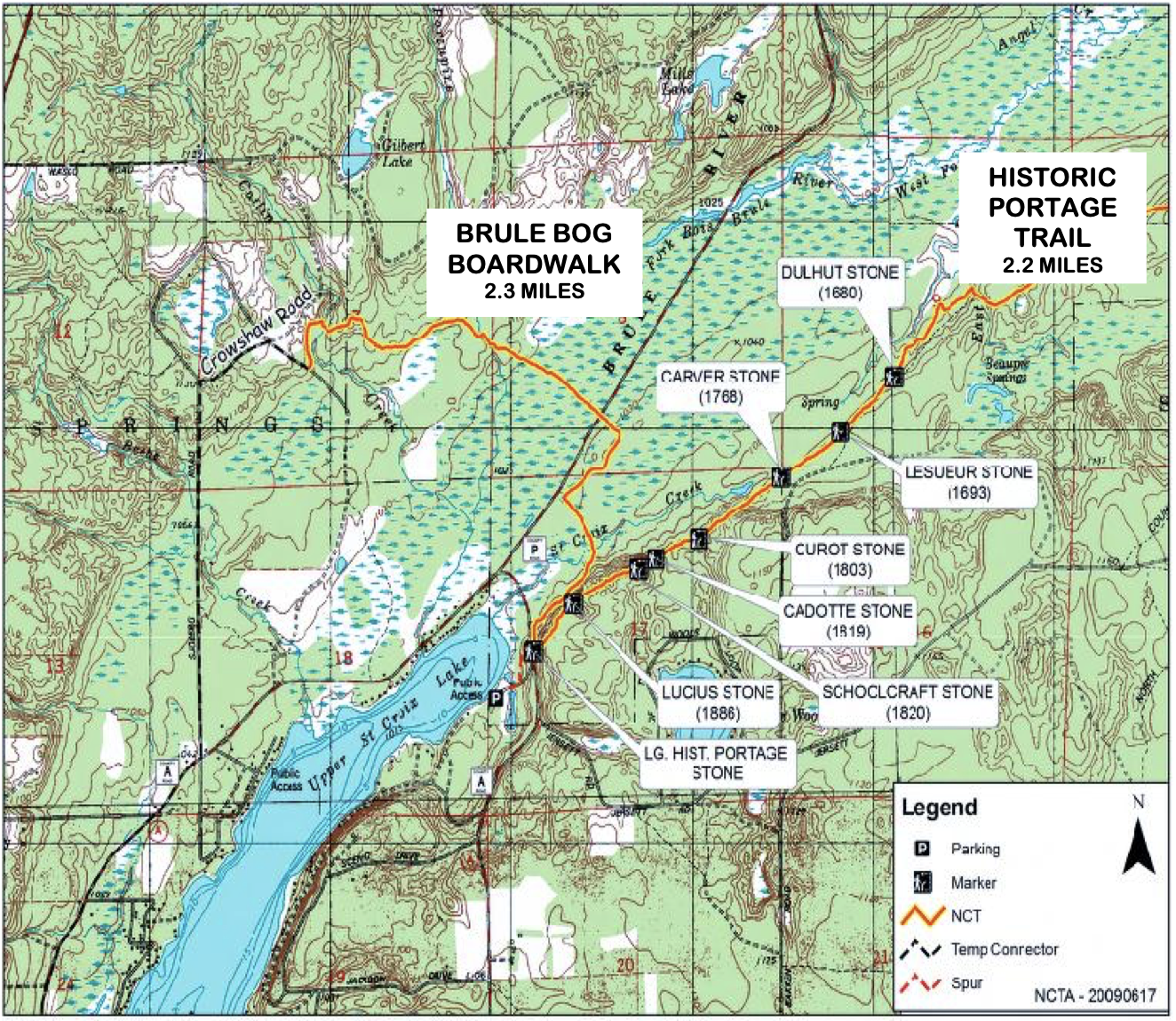
North Country Trail Association. Historic Portage Trail: Brule–St. Croix Portage Trail Guide. Accessed July 27, 2026. https://northcountrytrail.org/files/chapters/bsc/bruleguide.pdf.
Wisconsin Department of Natural Resources. Brule Glacial Spillway State Natural Area (No. 161): Property Map. Accessed July 27, 2026. https://widnr.widen.net/s/frfmsv7p9c/sna161_map.
Clayton, L. (1984). Pleistocene Geology of Wisconsin. Wisconsin Geological and Natural History Survey.
Wisconsin Department of Natural Resources. Brule River State Forest (geology and ecology overview).
USGS. Resources on the Laurentide Ice Sheet and late-glacial meltwater landscapes.
Gorham, E. (1991). "Northern Peatlands: Role in the Carbon Cycle and Probable Responses to Climatic Warming." Ecological Applications, 1(2), 182–195.
National Park Service or USDA Forest Service resources on peatland ecology and sphagnum bog formation.