Driftless Area
The lake it is said never gives up her dead. When the skies of November turn gloomy.
Gordon Lightfoot, “The Wreck of Edmund Fitzgerald”, 1976
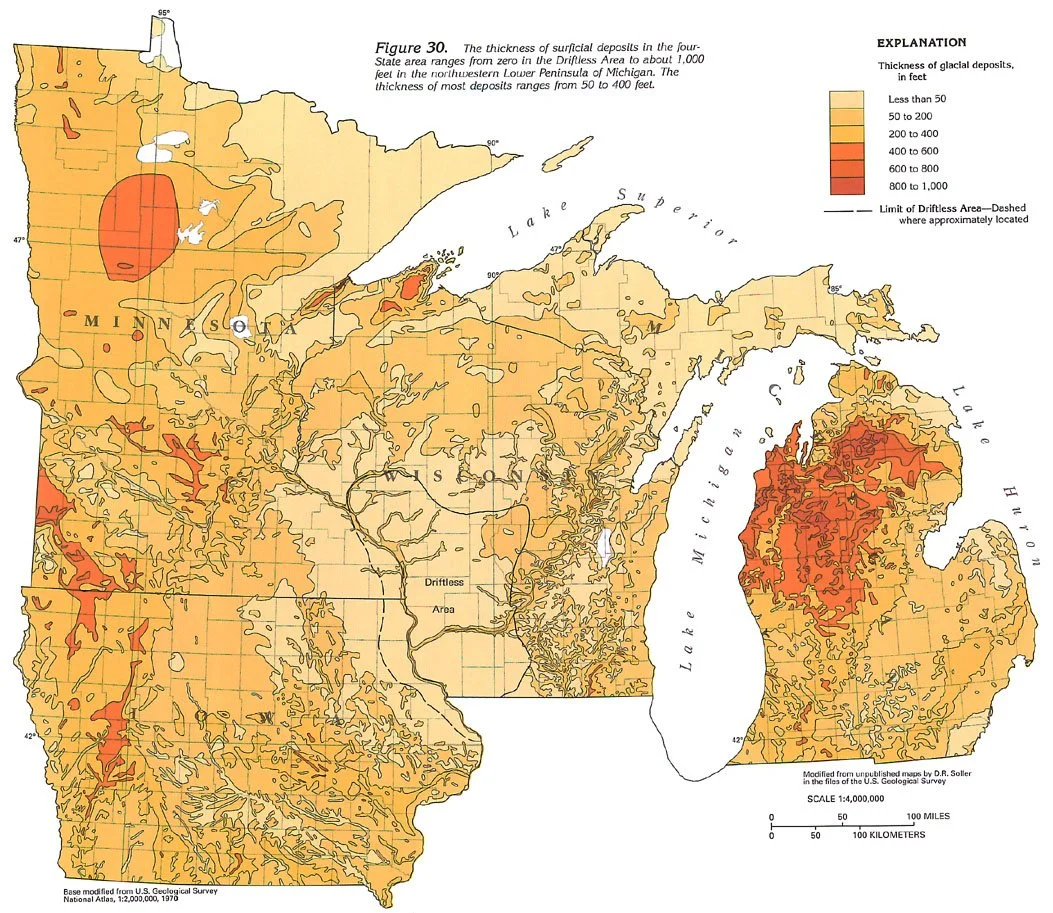
The Driftless Area
During the last Ice Age, glaciers spread across the Upper Midwest like slow-moving continents of ice. They buried hills, redirected rivers, and rewrote nearly every landscape they touched.
But not this one.
This region was beyond their reach.
The Driftless Area.
Geologists call the rock and sediment that glaciers leave behind "drift." Across most of the Upper Midwest, that drift buries the older land beneath it. Here, in a pocket of southwestern Wisconsin and the neighboring corners of Minnesota, Iowa, and Illinois, the most recent glaciers passed by on every side. Without that cover, its steep bluffs, deep valleys, and spring-fed streams kept a much older shape.
I find myself thinking of it as a place that remembered.
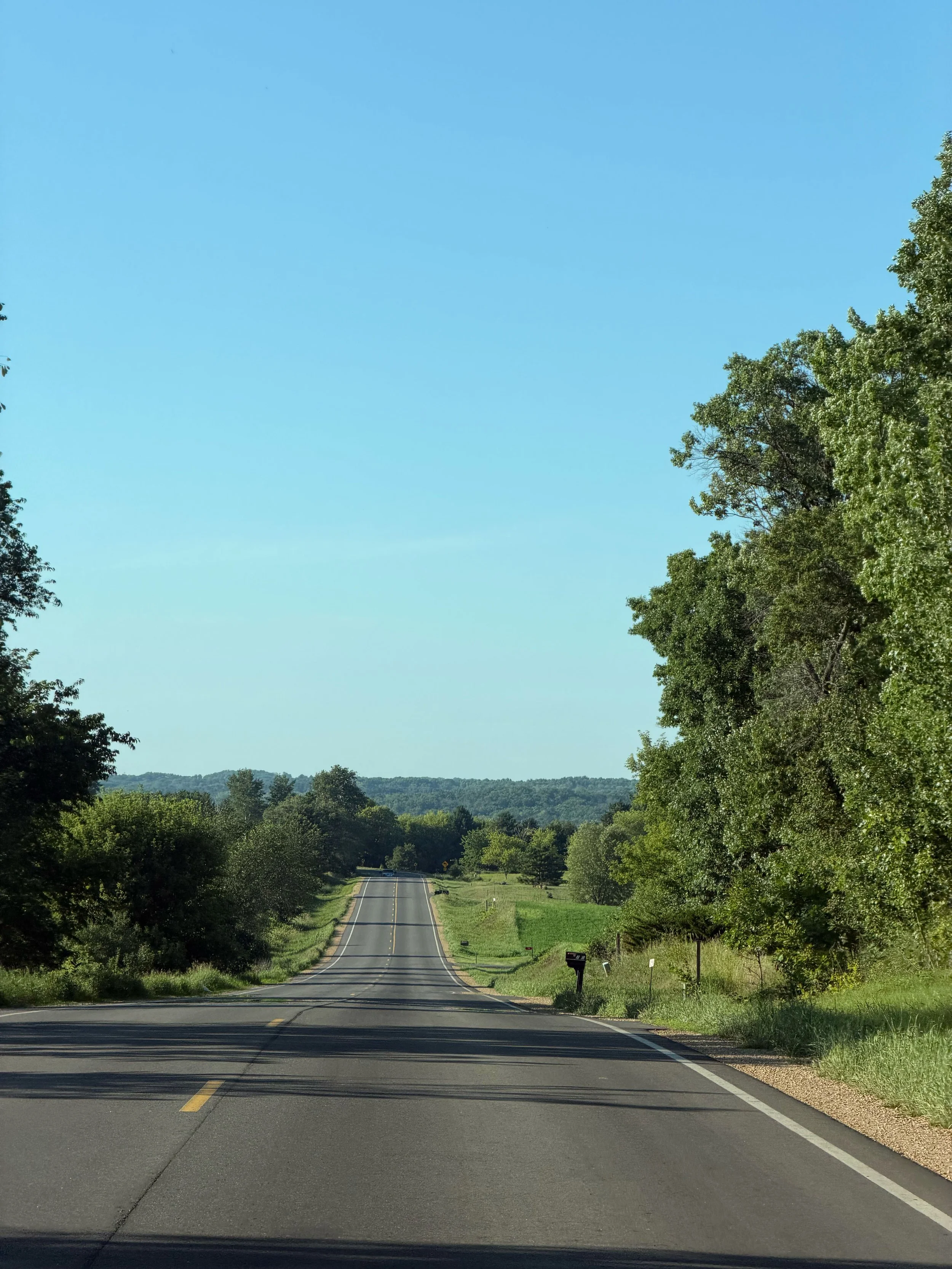
This summer, while driving from the Mojave Desert to Lake Superior, I realized I was meeting the Mississippi upstream. I was meeting the architect that built southern Louisiana.
For millions of years, the Mississippi River has carried sediment southward. Sand, gravel, silt, and clay traveled downstream until they reached the Gulf of Mexico, settling layer upon layer and quietly shaping new land. It built the bayou I was born on.
Southern Louisiana was never afforded ancient bedrock. Instead, it rests upon the eroded remains of distant mountains, carried grain by grain to the Gulf. It is the accumulated remains of traveling stones. Over the past several thousand years, the river's finest sediments built the delta in one of North America's great land-building events.
The bayou where I was born is measured in thousands of years.
The oldest rocks of northern Wisconsin are measured in billions.
In driving north, I had traveled backward through geological time.
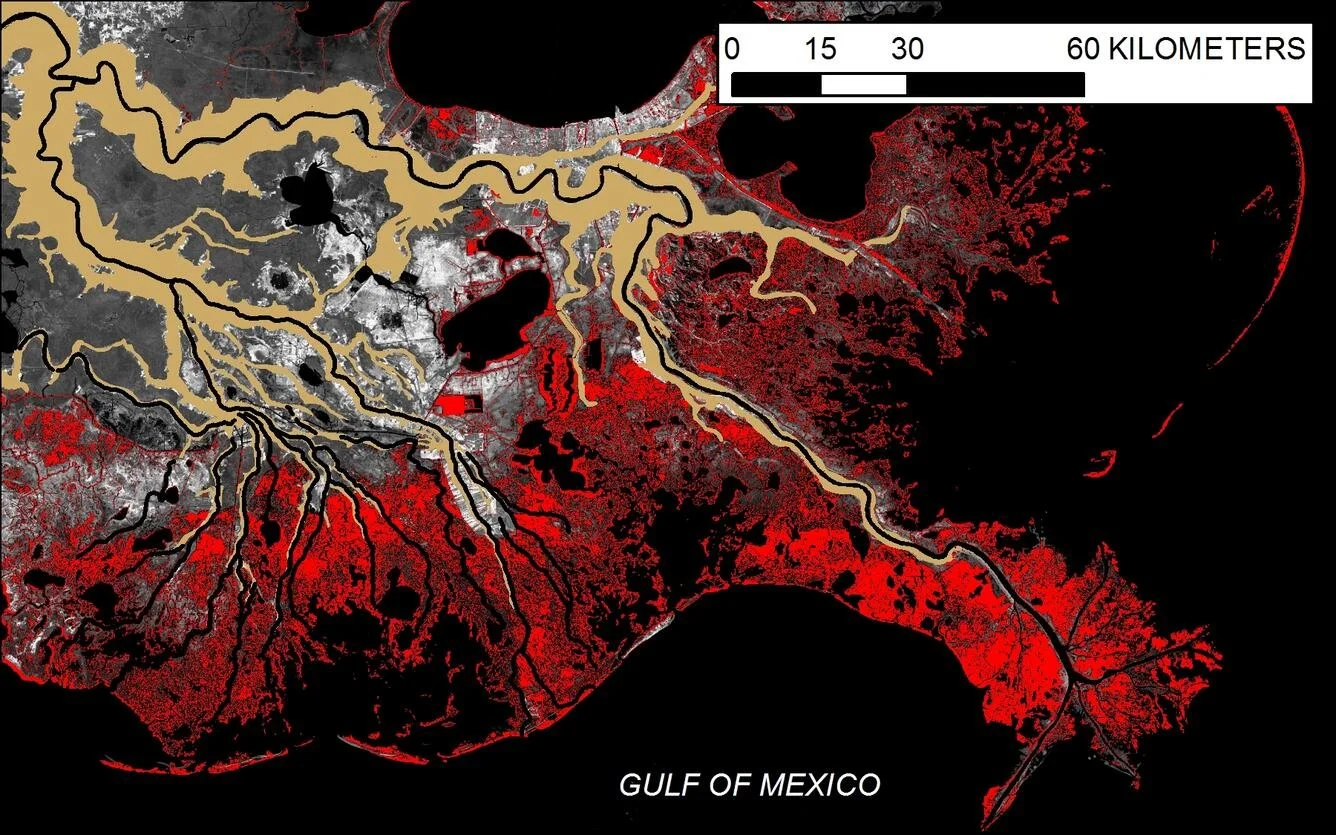
You can trace the twists and turns of the Mississippi River from Minnesota to the Gulf of Mexico, spanning nearly the entire height of the United States.
The Driftless Area is an anomaly: a landscape preserved while everything around it was remade. Memory. Continuity.
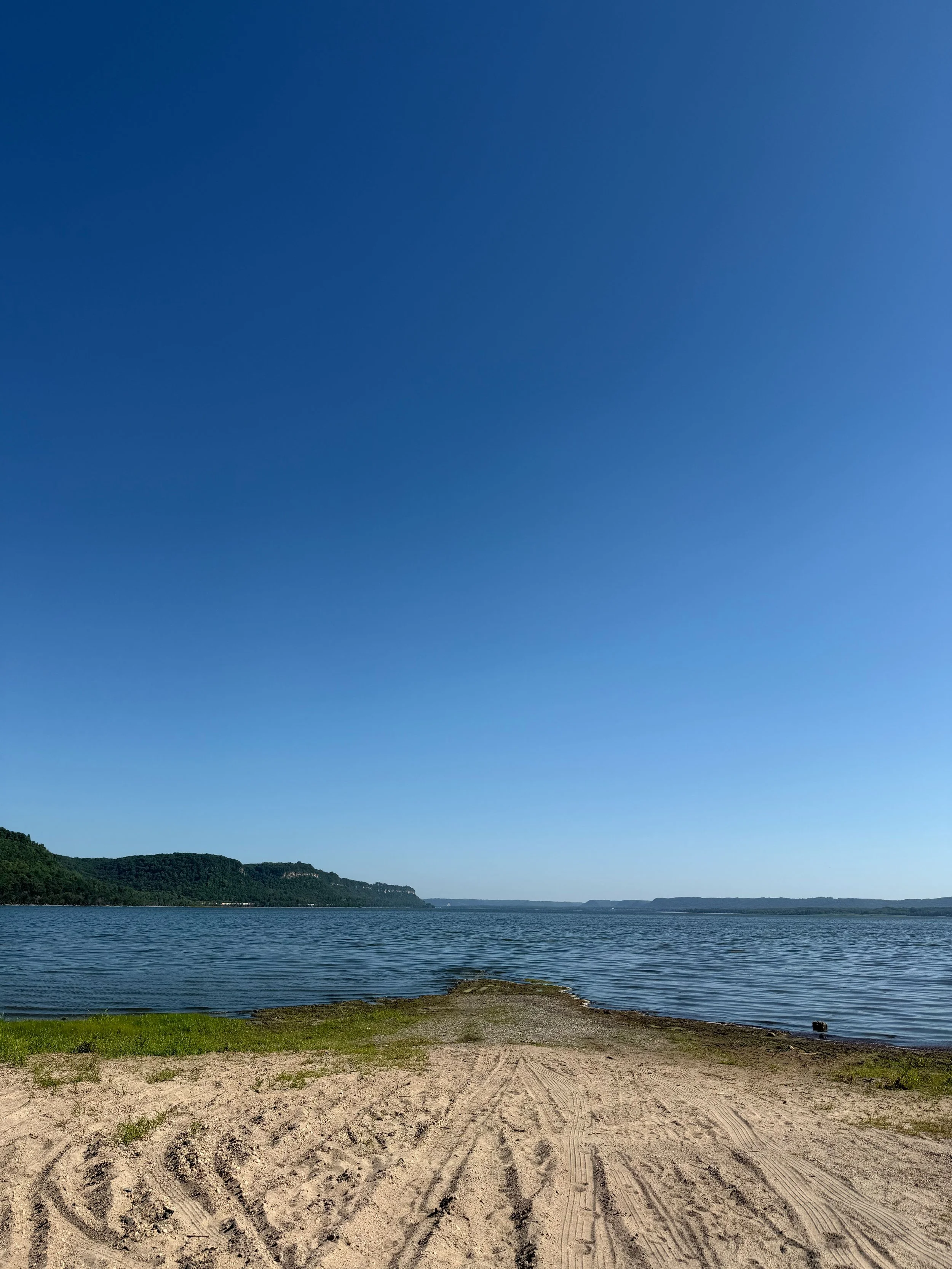
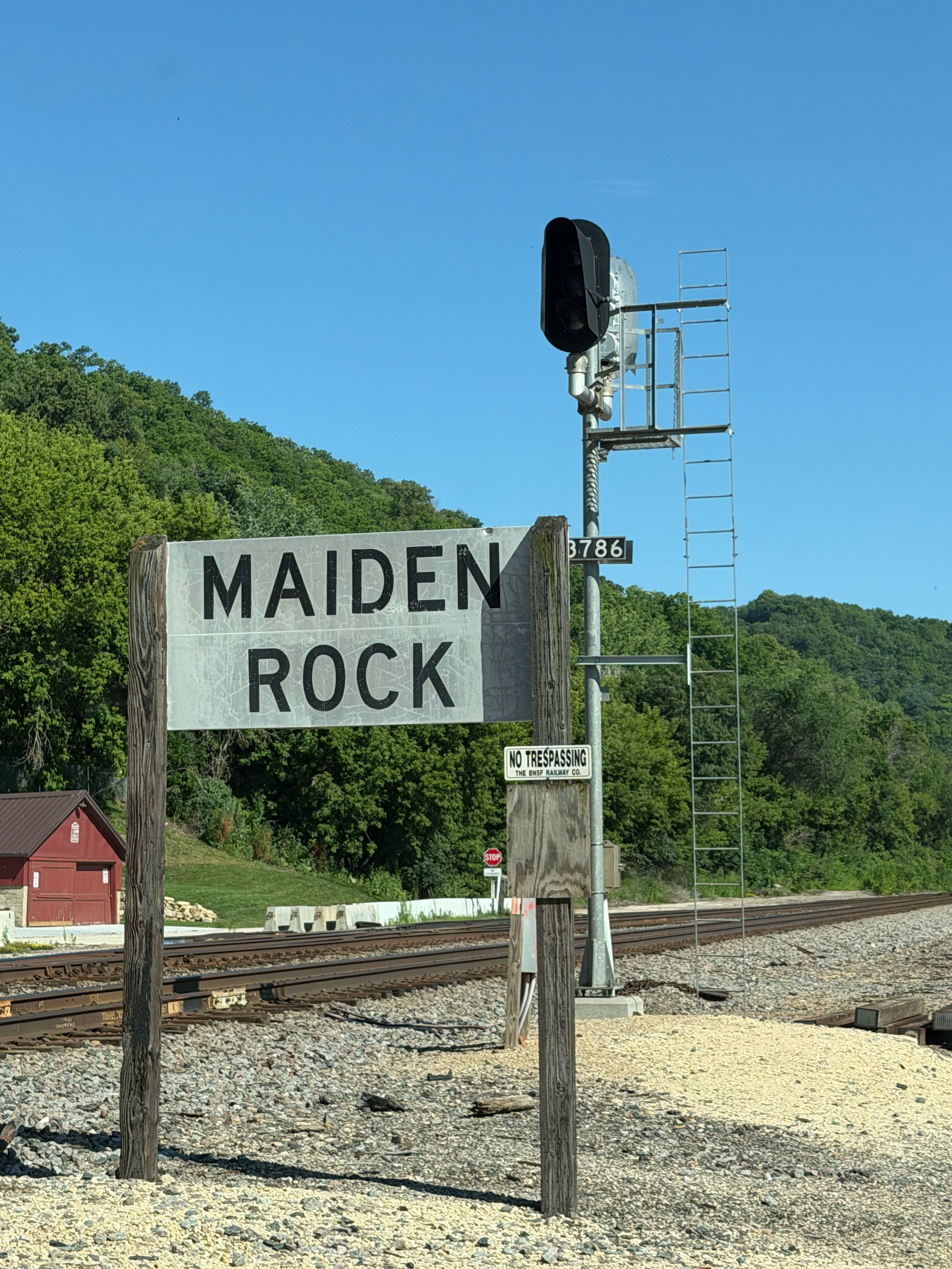
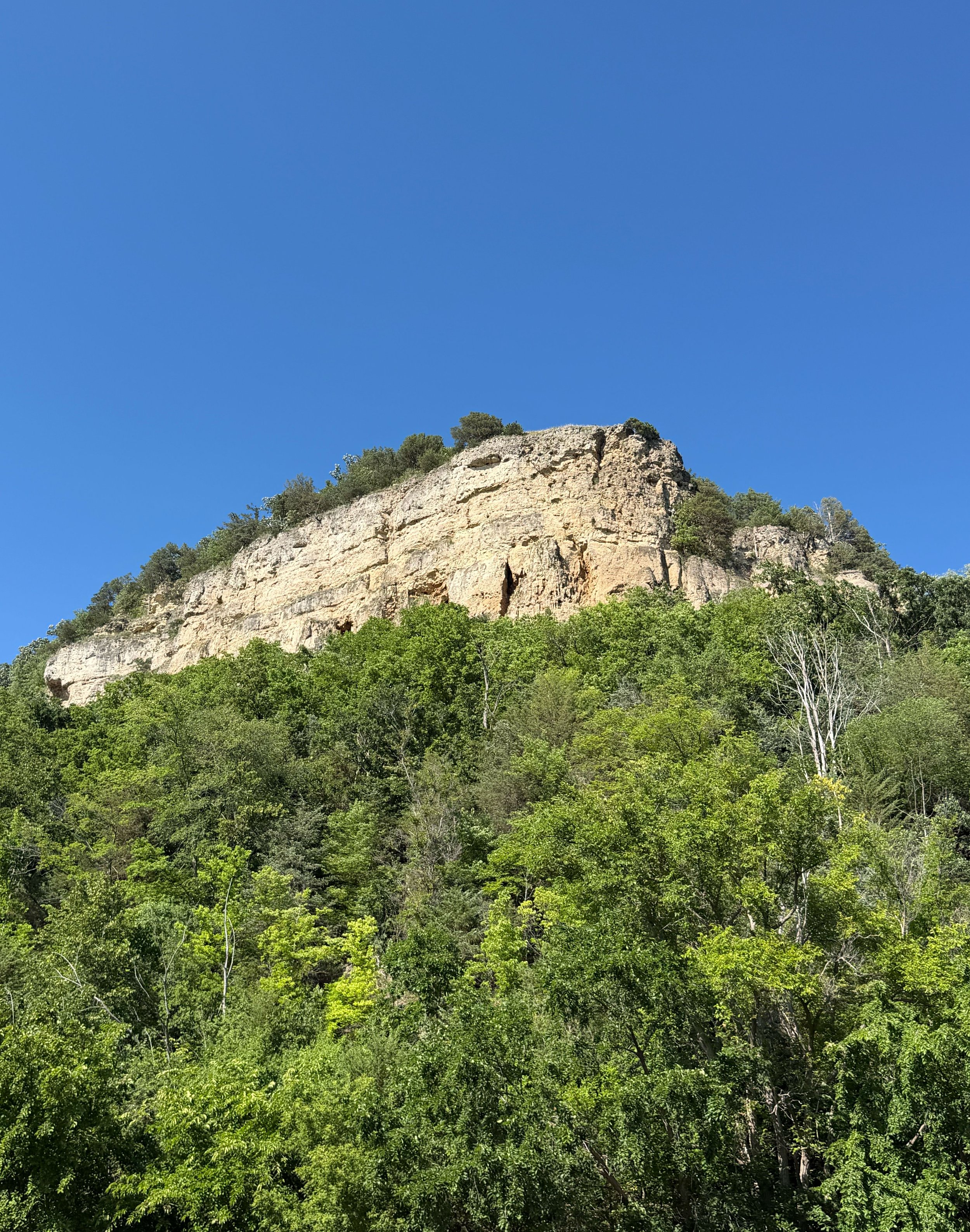
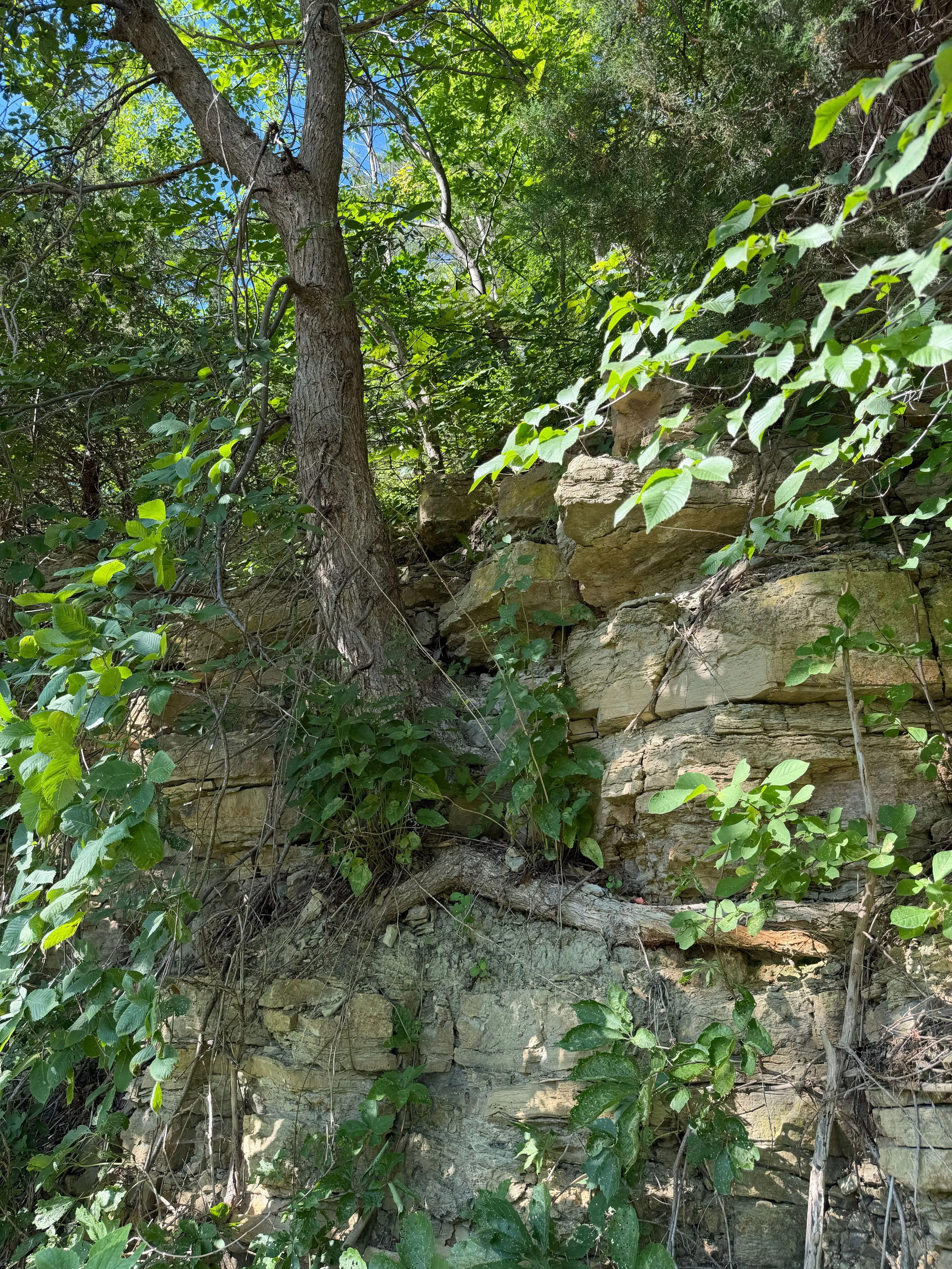
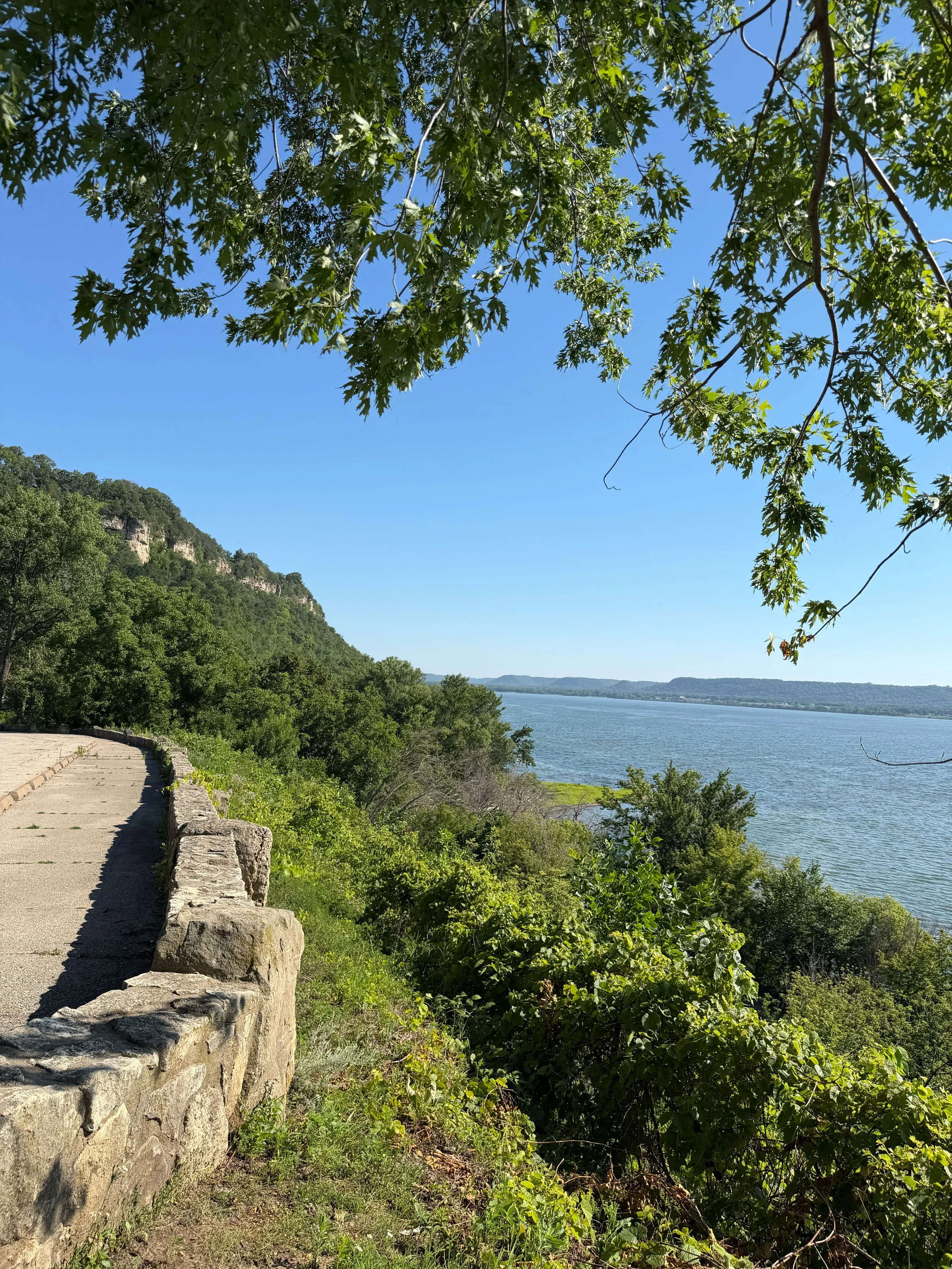
I visited the Driftless where it meets the Mississippi River at Maiden Rock Bluff, near Stockholm, Wisconsin. Hawks circled above the cliffs while the river flowed quietly below. Standing there, geological time was visible. The bluff is built from layers of sandstone and dolomite, a close cousin of limestone, laid down on the floor of shallow seas roughly 500 million years ago. Below them, an active river carried fragments of distant mountains toward the Gulf.
The Driftless is both a place preserved in geological time and a metaphor.
When everything else has been reshaped, what remains?
In meditation, I realized that what has stayed "drift-less" within me is the same insatiable curiosity that led me here. If life is a spiral dance, then over the last few months I've watched that spiral unfold. I keep returning to ideas, places, and questions that first emerged years ago, now with more experience, deeper understanding, and a renewed sense of wonder.
Touching the Mississippi near its northern reaches reminded me that landscapes have histories far beyond our desire to control them.
They have so much to teach us.
Curious to know more about the Driftless Area? PBS Terra’s short animation “Why Did the Ice Age Forget This One Spot?” is a helpful introduction:
https://youtu.be/JS0b19OqBJo?si=NEapp5NgBjm3N492
Fossils like these, from the ancient seas that laid down Wisconsin's limestone and sandstone, are a glimpse of the life recorded in the region's bedrock.
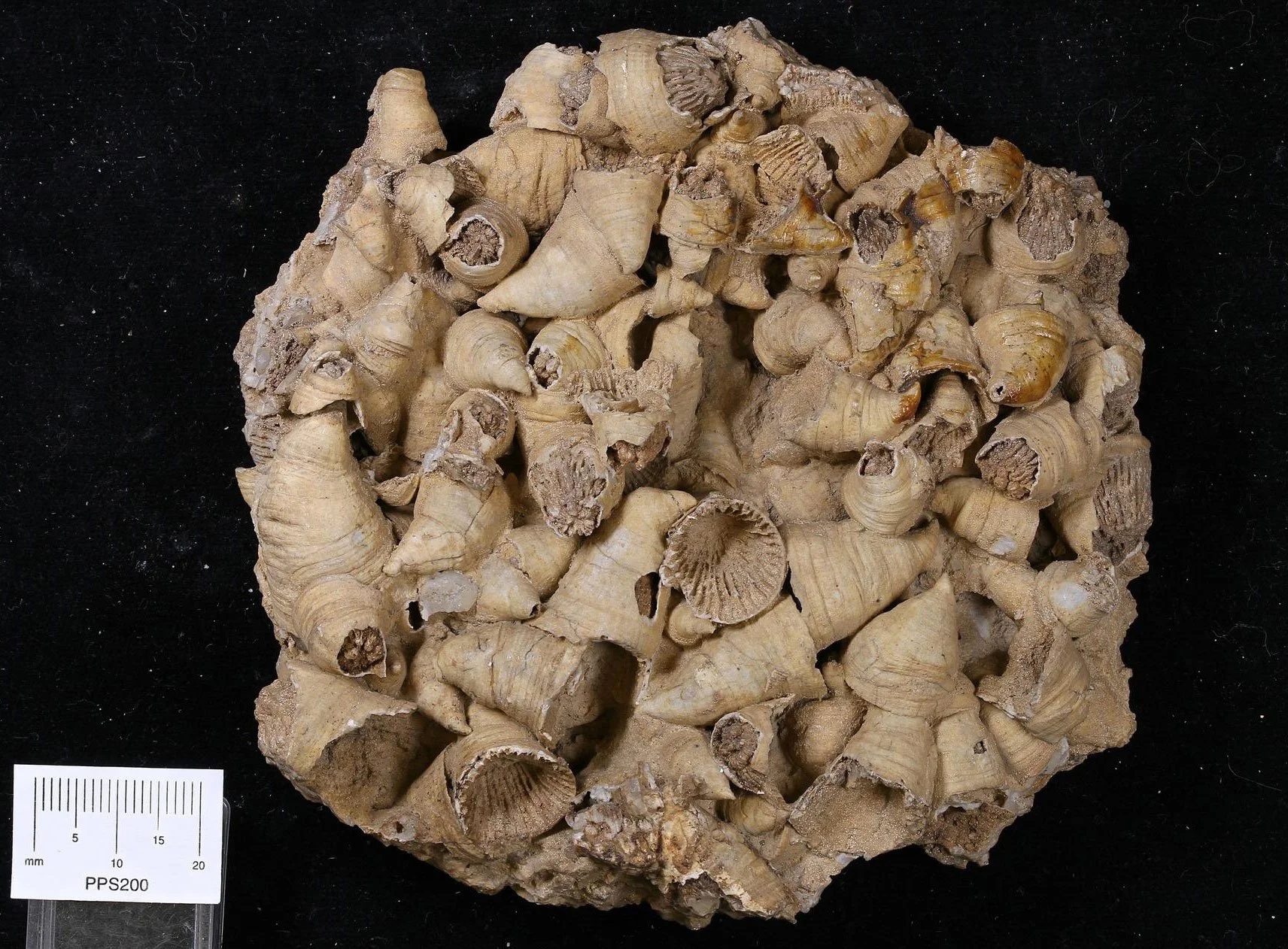
Rugose corals (Streptelasma corniculum) from the Ordovician Platteville Limestone, Wisconsin. Photo of YPM IP 547681 by Jessica Utrup (Yale Peabody Museum of Natural History on GBIF.org, CC0 1.0 Universal/public domain dedication).
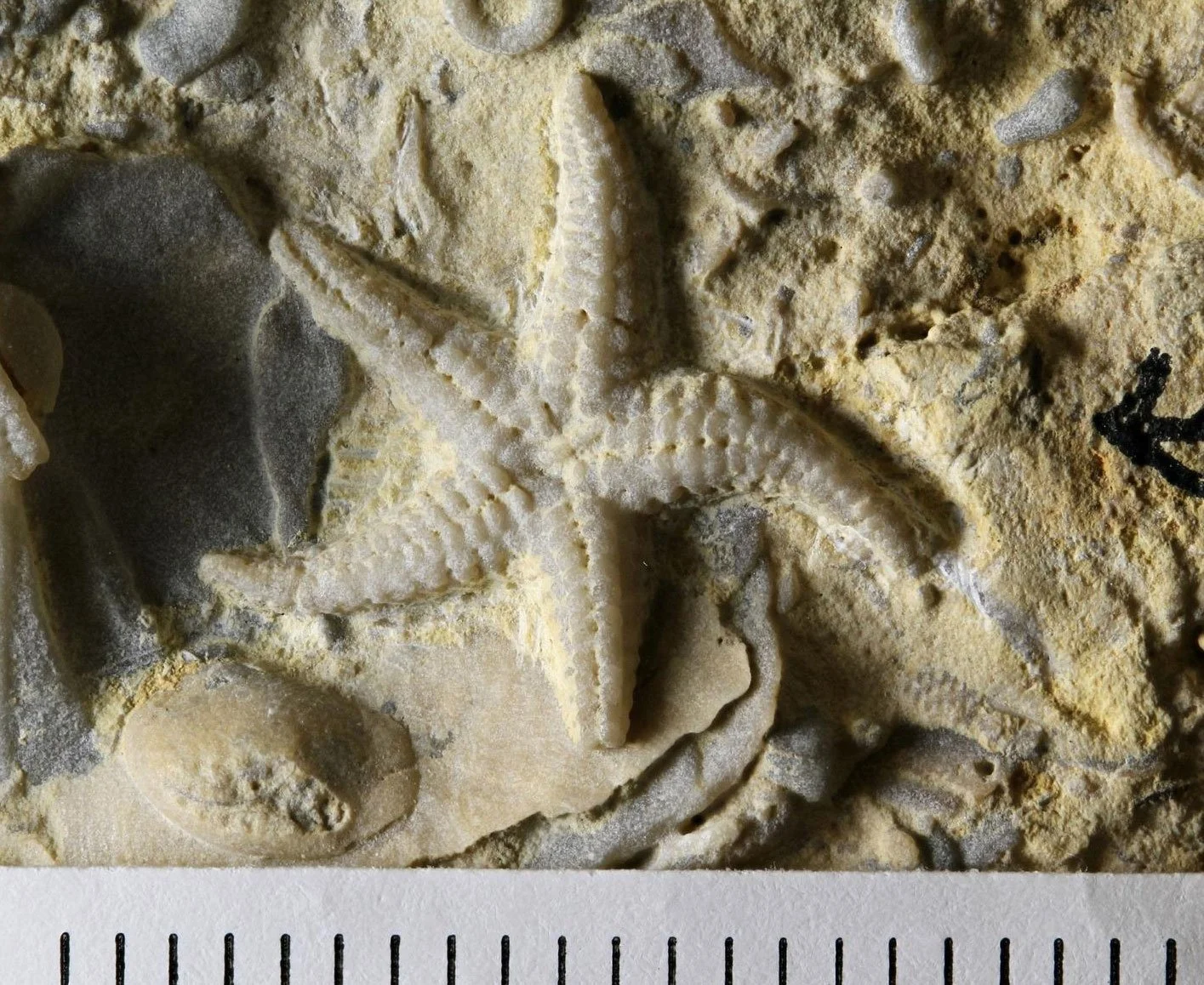
A starfish (Hudsonaster) from the Ordovician Platteville Limestone, Wisconsin. Photo of YPM IP 538069 by Jessica Utrup (Yale Peabody Museum of Natural History on GBIF.org, CC0 1.0 Universal/public domain dedication).
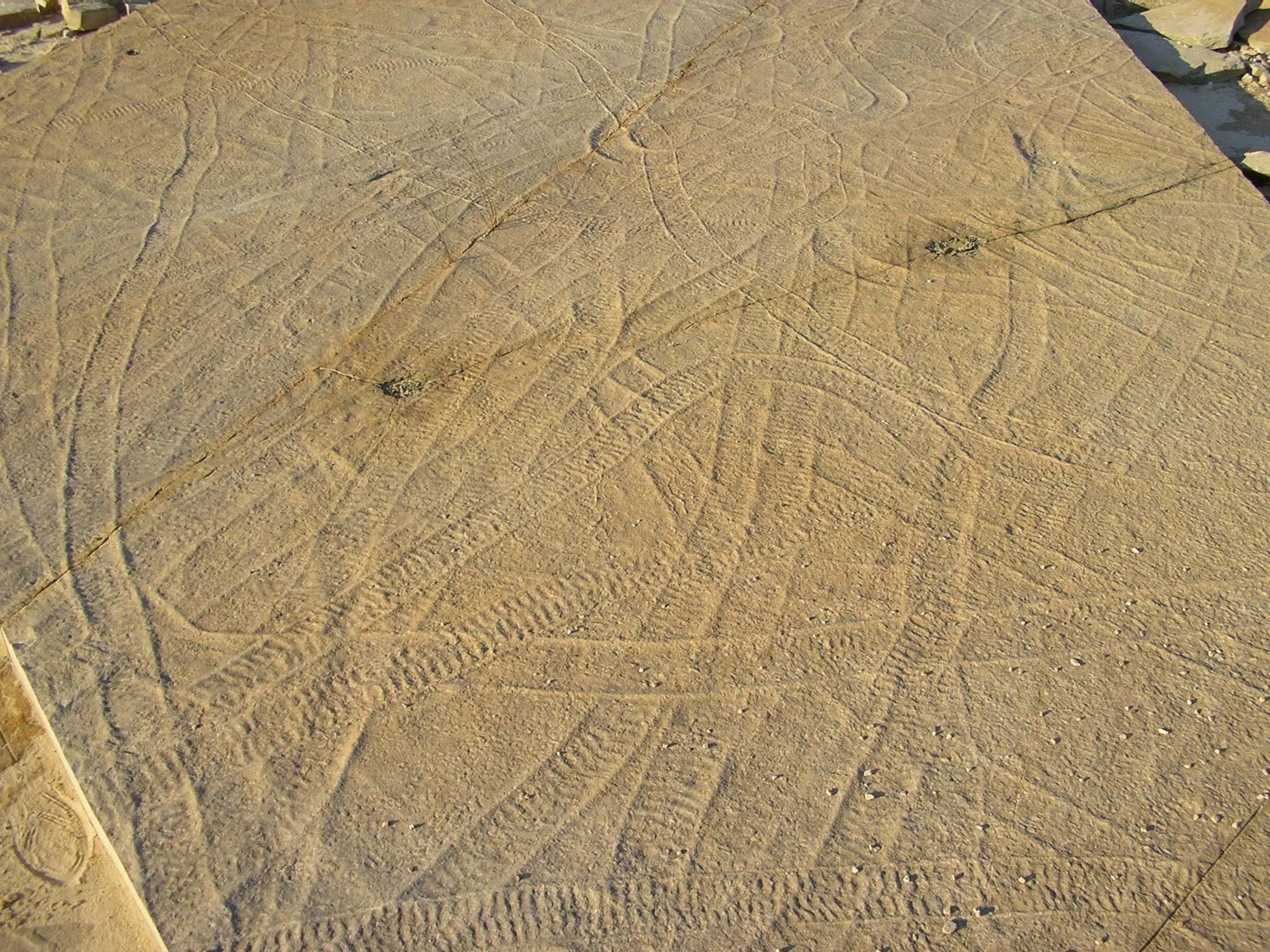
Trace fossils (Climactichnites), Cambrian, Krukowski Quarry, Wisconsin. Photo by Kennethcgass (Wikimedia Commons, public domain).
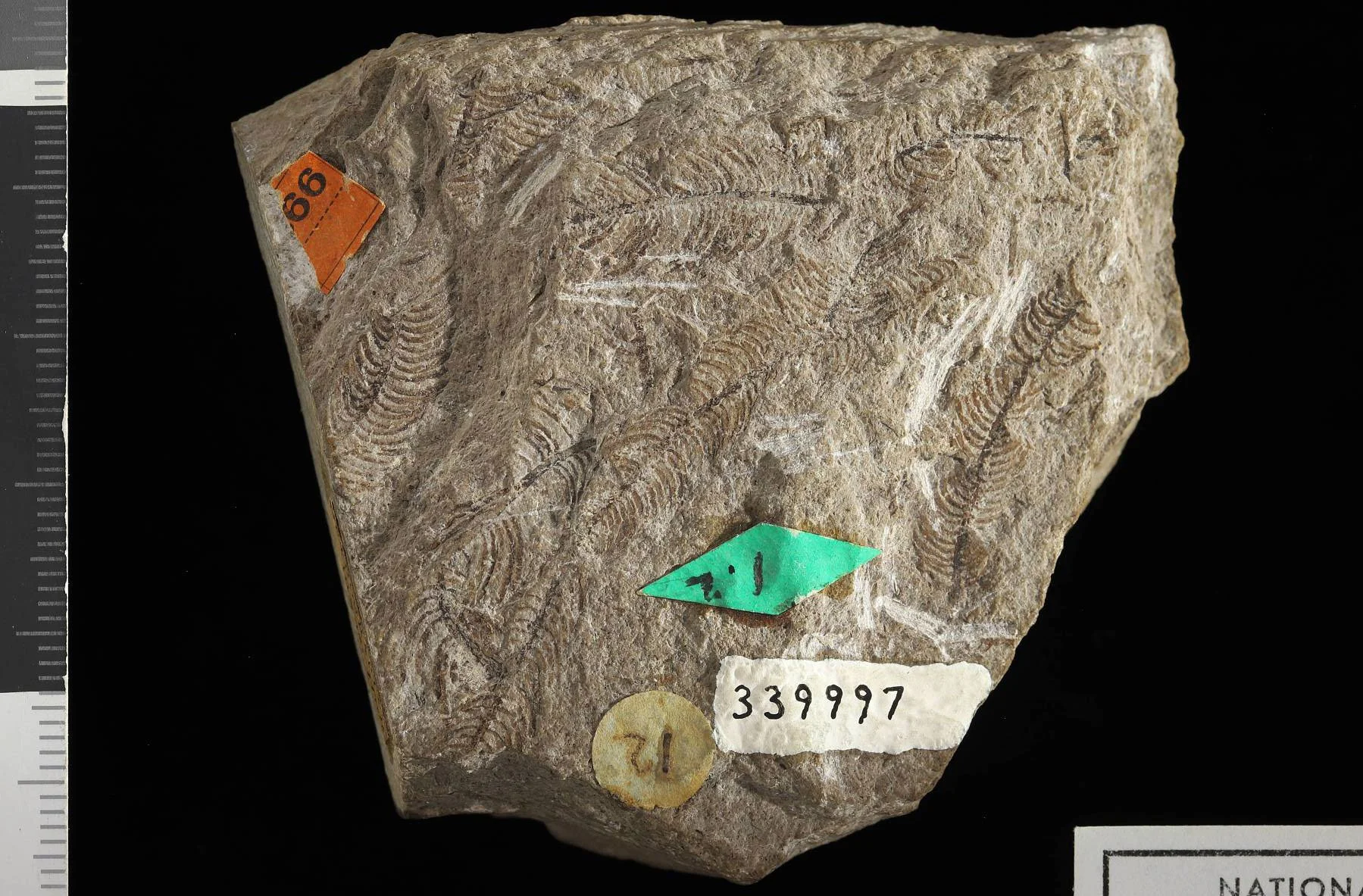
An alga (Buthograptus laxus) from the Ordovician Trenton Limestone, Wisconsin. Photo of USNM PAL 339997 by Frederic Cochard (National Museum of Natural History, Smithsonian Institution, CC0/public domain).