What Returns
Twenty years ago, the first photographs I ever posted to Facebook were from Greece.
I was participating in an honors study abroad program, traveling throughout the country. I carried a digital camera through Athens, Nafplion, Epidaurus, Mycenae, Corinth, Delphi, Meteora, Olympia, Thessaloniki, and a few of the Greek islands, photographing places that had survived thousands of years before me.
Unbeknownst to me, this was the beginning of a significant digital archive.
Over the next twenty years, social media became a repository for an enormous portion of my life. Places I lived. People I met. Art I made. Landscapes I studied and traversed.
Shortly before returning to Greece twenty years later, I wrote about the eternal return.
“The eternal return says: whatever you will, will it in such a manner that you also will its eternal return.”
(Deleuze, on Nietzsche)
It was the last thing I posted on social media.
A few weeks later, I set out for Greece again.
And on that journey, I lost access to all of it.
Greece was both the beginning and the end of my social media presence.
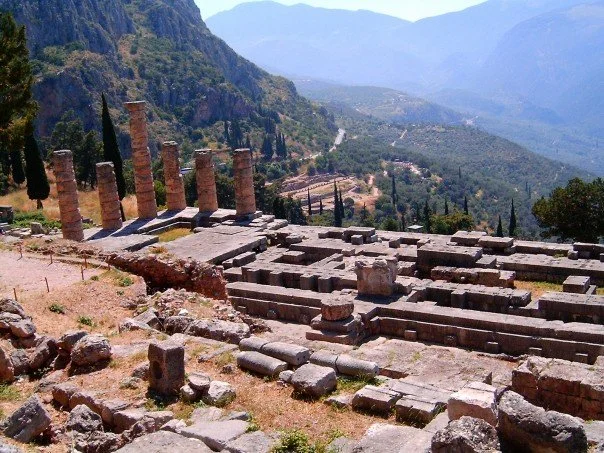
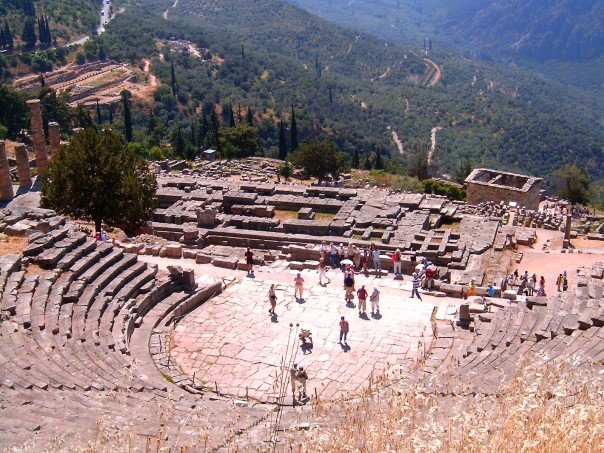
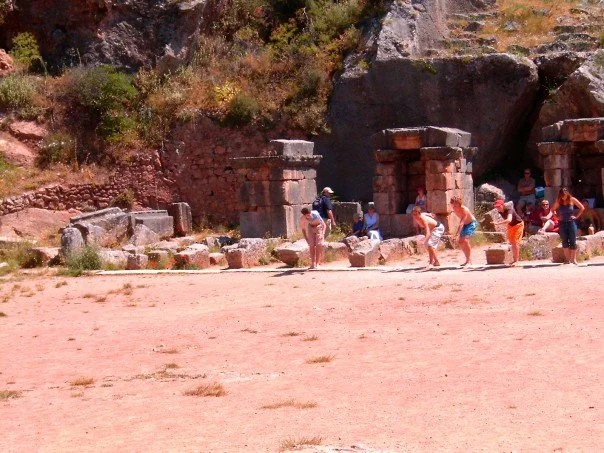
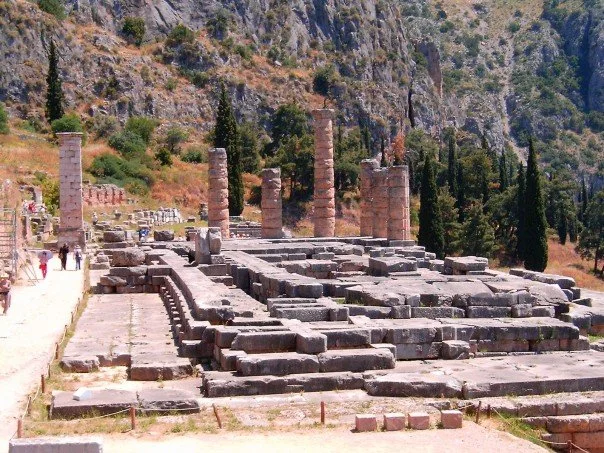
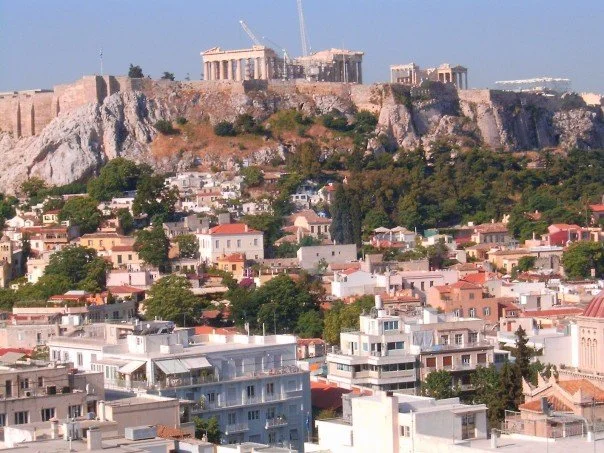
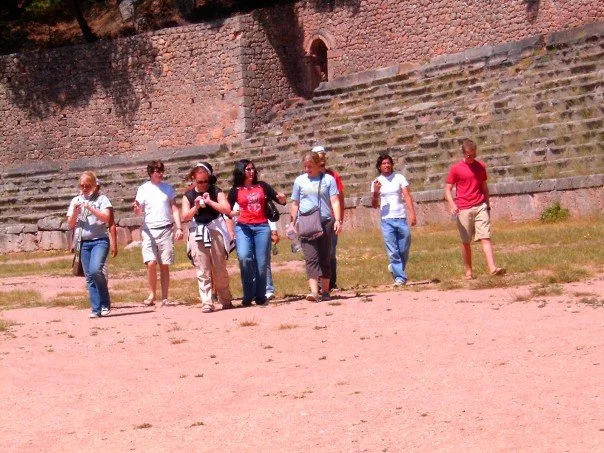
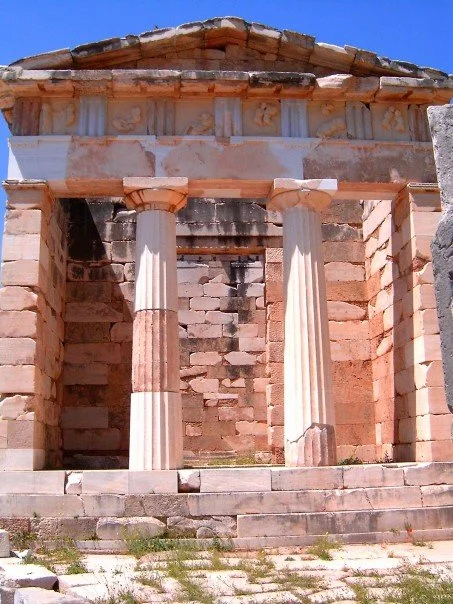
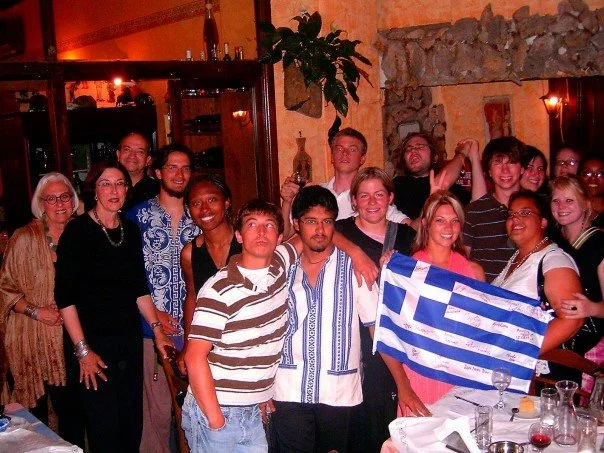
Twenty Years Later
Returning to Greece had already made time feel circular.
I visited new places and returned to a few that continue to haunt me.
Retracing steps through the old places invoked memories, and even the dreams before they became memories.
The same country. The same ancient places. Yet, I encountered them as someone different.
This underscores the eternal return. Return does not have to mean nostalgia or require going backward. A place can return. A question can return. A circumstance can return. But it encounters whatever you have become in the meantime.
Twenty years ago, I photographed Greece and placed those photographs inside a new digital world.
Twenty years later, I returned to Greece and found myself unexpectedly separated from that world.
The symmetry would be difficult to invent.
The Archive
There was another irony unfolding around me.
I had returned to a country where I spent my days looking at things that had survived for thousands of years.
Marble. Pottery. Temples. Fragments of sculpture. Myths transmitted through generations.
At Naxos, I stood before the Portara—the enormous marble doorway of a temple begun in the sixth century BCE and never completed. The political ambition that produced it disappeared. The temple itself was never finished. Much of its material was eventually removed.
And yet the doorway remains.
We call something a ruin when much of it has disappeared. But seen another way, a ruin is also evidence of what refused to disappear.
Meanwhile, an archive of my own life—only twenty years old, immaterial, stored somewhere on servers—became inaccessible almost instantaneously.
It made me reconsider what an archive actually is.
I had treated social media as though it were memory. It is not memory. It is infrastructure.
Memory entrusted to a platform remains contingent upon access to that platform. Twenty years of photographs can feel like possessions until an account is disabled or a system decides you no longer belong inside.
Stone has its own vulnerabilities. Temples collapse. Marble is quarried and repurposed.
Nothing in this life is guaranteed.
Except change.
There is something strange about standing outside a place that contains twenty years of your own memory. The record is there. But it’s a threshold I simply cannot cross. And yet there is something humbling about contemplating the instability of a twenty-year digital archive while walking among fragments that had survived more than two thousand years.
What Returns
My first photographs online were from Greece.
The last post was about eternal return.
Then Greece returned.
A doorway that has stood open for twenty-five centuries.
And mine closed.
Perhaps the timing feels less like an ending than another threshold.
I don’t know yet whether it will remain closed. My accounts were hacked and disabled in September, and I am still trying to regain access.
But the interruption has already changed my relationship to the archive.
For years, I placed pieces of my life into spaces that felt permanent because they were always available.
Now I am writing here.
Divinities of Light is slower. More personal. Patient. Unapologetic.
Perhaps that is what I am carrying forward from this particular return.
Not the recovery of the person who first photographed Greece twenty years ago.
Not the rejection of everything that happened afterward.
But the whole thing: photographs, mistakes, landscapes, people, losses, work, transformations.
The twenty years between one encounter with Greece and another.
The eternal return asks whether you can affirm the whole of your life so completely that you would will its return.
Twenty years later, I found myself standing at the beginning again.
Not as the same person.
But carrying everything that happened in between.